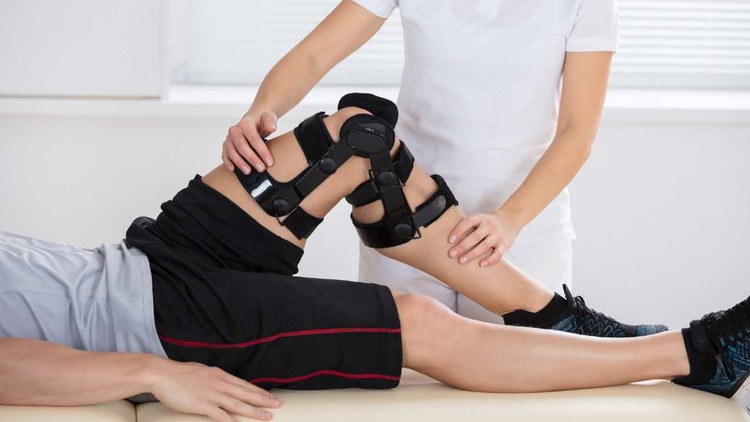
A Comprehensive Guide to the Foundations and Techniques of Physiotherapy for Aspiring Professionals
What you will learn
Understand the core concepts and principles of physiotherapy, from anatomy and biomechanics to therapeutic interventions.
Gain practical skills in manual therapy, exercise prescription, and rehabilitation techniques for various conditions.
Learn how to assess patients, develop treatment plans, and provide evidence-based care.
Explore specialized fields like neurological, orthopedic, cardiopulmonary, pediatric, and geriatric physiotherapy.
Enhance your ability to apply physiotherapy techniques in both clinical and non-clinical settings.
Why take this course?
🌱 Course Title: Physiotherapy: Core Concepts and Practical Applications
🏫 Course Headline: A Comprehensive Guide to the Foundations and Techniques of Physiotherapy for Aspiring Professionals
Introduction: 🚀
Physiotherapy is a transformative field within healthcare, dedicated to promoting health and mobility by utilizing a range of treatments and exercises. This online course, taught by Dr. Himani Sharmacombines theoretical knowledge with practical application to equip you with the skills necessary for a successful career in physiotherapy. Whether you’re an aspiring physiotherapist or a healthcare professional looking to expand your skillset, this course will guide you through the core concepts and hands-on techniques essential for effective treatment across various specialties.
Course Outline:
🔍 Introduction to Physiotherapy
- History and Evolution: Trace the journey of physiotherapy from its inception to its current practice.
- Roles and Responsibilities: Understand the multifaceted role of a physiotherapist within healthcare settings.
- Ethical and Legal Considerations: Learn to navigate the ethical and legal landscape that governs physiotherapy practice.
Human Anatomy & Physiology for Physiotherapists
- Musculoskeletal System: Gain a comprehensive understanding of musculoskeletal health and disorders.
- Nervous System: Explore the role of the nervous system in movement, coordination, and sensory processing.
- Cardiovascular and Respiratory Systems: Discover how physiotherapy supports cardiovascular and respiratory health.
- Joint Movements and Range of Motion: Master assessing and improving joint mobility and range of motion.
🧬 Biomechanics and Kinesiology
- Principles of Biomechanics: Learn the application of biomechanical principles in physiotherapy.
- Human Movement Analysis: Study how to analyze human movement for effective treatment outcomes.
- Postural Assessment: Develop skills in postural evaluation and correction techniques.
- Functional Anatomy: Understand how anatomical structures contribute to normal movement patterns.
🥑 Therapeutic Modalities and Techniques
- Physical Therapy Modalities: Explore a variety of modalities used in physiotherapy for pain management and tissue healing.
- Manual Therapy Techniques: Learn the art of manual therapy, including massage, joint mobilization, and manipulation.
- Hydrotherapy Applications: Discover the benefits and applications of hydrotherapy in rehabilitation.
🏋️♂️ Exercise Therapy and Rehabilitation
- Therapeutic Exercise Principles: Understand how to apply therapeutic exercise for various conditions.
- Strengthening Techniques: Learn to design effective strengthening programs for different patient needs.
- Rehabilitation Protocols: Develop protocols for common injuries, ensuring safe and efficient recovery.
- Special Populations: Tailor exercise prescriptions for unique populations such as the elderly or pediatric patients.
🧠 Neurological Rehabilitation
- Neurological Conditions Fundamentals: Gain insight into neurological conditions and their impact on movement and function.
- Stroke and Spinal Cord Injuries: Learn specialized physiotherapy techniques for recovering mobility after a stroke or spinal cord injury.
- Multiple Sclerosis: Understand the complexities of managing MS with physiotherapy.
- Motor Learning and Control: Explore the principles of motor learning to enhance recovery and functional independence.
🦴 Orthopedic Physiotherapy
- Musculoskeletal Disorders Assessment: Learn how to effectively assess and treat musculoskeletal disorders.
- Post-operative Care: Master post-operative care protocols for various orthopedic surgeries.
- Sports Injuries Management: Acquire skills in managing common sports injuries.
- Arthritis and Degenerative Conditions: Understand the role of physiotherapy in arthritis and other degenerative joint conditions.
🏐 Cardiopulmonary Physiotherapy
- Assessment Tools: Learn to assess cardiovascular and respiratory health accurately.
- Rehabilitation for Cardiac and Pulmonary Conditions: Develop rehabilitation programs tailored for patients with heart or lung conditions.
🤹♀️ Pediatric and Geriatric Physiotherapy
- Pediatric Physiotherapy: Address the unique needs of pediatric patients through play and activity-based therapy.
- Geriatric Physiotherapy: Understand the aging process and its impact on movement, with a focus on maintaining independence and quality of life.
Course Conclusion: 🎓
Upon completion of this comprehensive course, you’ll be equipped with the knowledge and skills necessary to excel as a physiotherapist. Whether you’re treating sports injuries, managing chronic conditions, or supporting recovery post-surgery, this course will prepare you for a dynamic career in physiotherapy. Join us and become a key player in improving quality of life across diverse populations through the healing power of movement.
Enroll Today: 📚
Embark on your journey to becoming a proficient physiotherapist with “Physiotherapy: Core Concepts and Practical Applications.” Take the first step towards an enriching career by applying your passion for health and wellness through the science of movement. Enroll now and transform lives, including your own!
Physiotherapy: Core Concepts and Practical Applications – A Deep Dive
Alright, let’s talk about this ‘Physiotherapy: Core Concepts and Practical Applications’ course. As someone who’s navigated the often-intimidating waters of tech education, I’ve developed a knack for spotting programs that genuinely deliver value, not just buzzwords. This physiotherapy offering caught my eye because it promised to bridge that crucial gap between theoretical knowledge and the gritty, on-the-ground skills you actually need to make a difference – and, let’s be honest, to land a solid job.
Overview
This isn’t your average skim-the-surface course. From the get-go, it’s clear the creators aimed for a comprehensive, almost foundational-level understanding. They don’t shy away from the nitty-gritty of anatomy and biomechanics, which is frankly essential. Think of it like learning the fundamental algorithms before you dive into building complex AI models. What really impressed me was the emphasis on practical applications. They’ve structured it so you’re not just reading about techniques; you’re learning how to actually do them. This is where courses often falter, but this one seems to have nailed the balance. The modules covering assessment, treatment planning, and evidence-based care are particularly robust, setting you up for a genuinely job-ready approach rather than just theoretical knowledge.
Prerequisites
For this kind of course, it’s safe to assume some level of foundational science understanding is beneficial. While they don’t explicitly state formal prerequisites beyond a general interest in health and human movement, having a background in biology or a related science would certainly give you a head start. If you’re coming in completely cold, be prepared to put in a bit more effort on the initial anatomy and physiology modules. It’s definitely accessible to someone aiming to pivot into the field, but those with existing science coursework will find the learning curve less steep.
Skills & Tools
This course is a powerhouse for skill development. You’re looking at acquiring a solid understanding of manual therapy techniques, honing your ability in exercise prescription, and mastering various rehabilitation strategies. The course also dives into patient assessment and the critical skill of developing individualized treatment plans. What’s particularly valuable is the exposure to different specializations – neurological, orthopedic, cardiopulmonary, pediatric, and geriatric physiotherapy. This breadth of knowledge is crucial for career exploration and makes you a more versatile candidate. While the course doesn’t provide specific software licenses, it guides you on how to utilize industry-standard tools and approaches in clinical settings, preparing you for real-world practice. The focus on evidence-based care is also a massive plus, ensuring your approach is current and effective.
Career Benefits & Job Roles
Let’s talk brass tacks: how does this translate to your career? This course is a fantastic stepping stone for aspiring physiotherapists. It equips you with the foundational knowledge and hands-on skills that are highly sought after by employers. You’ll be well-prepared for roles such as:
- Junior Physiotherapist in hospitals, clinics, or private practices.
- Rehabilitation Assistant or aide roles.
- Sports Rehabilitation Specialist (with further specialization).
- Entry-level positions in community health or aged care facilities.
The comprehensive nature of the curriculum also makes it a strong foundation for pursuing further certification prep or advanced studies, paving the way for significant career growth.
Pros
- Comprehensive Coverage: The course genuinely covers the core concepts from the ground up, integrating theory with practical application seamlessly. It’s a well-rounded introduction that doesn’t leave significant gaps.
- Practical Focus: The emphasis on hands-on techniques, assessment, and treatment planning is a huge win. You’re not just learning; you’re preparing to do. This makes the transition to clinical settings much smoother.
- Broad Specialization Exposure: Learning about various physiotherapy fields early on is invaluable for career direction and for demonstrating a broad understanding to potential employers. It adds a lot of value for a foundational course.
- Evidence-Based Approach: The commitment to teaching evidence-based practice is crucial in today’s healthcare landscape. It ensures you’re learning current, effective methodologies.
Cons
The only significant drawback I could find, and it’s a common one for this type of training, is the inherent limitation of any online or purely theoretical course when it comes to developing the nuanced manual therapy skills that truly shine with in-person practice and immediate feedback. While the course likely offers excellent demonstrations and guided exercises, the tactile and intuitive aspect of hands-on patient care is something that will inevitably require significant post-course practical experience and mentorship to fully master. It sets a great foundation, but the true artistry of physiotherapy develops over time with real-world application.