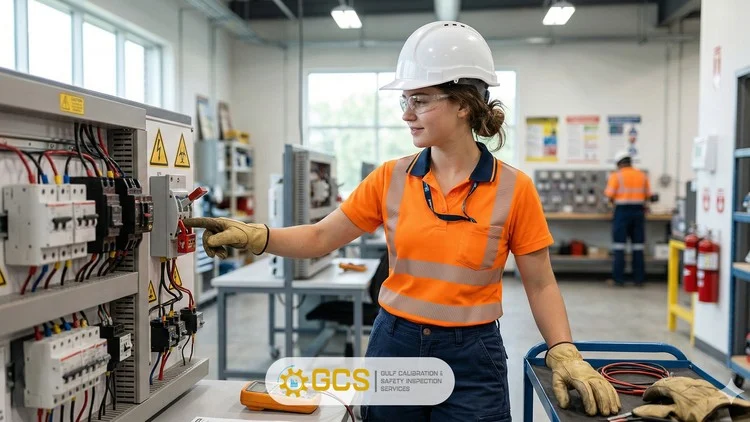
Comprehensive Electrical Safety Training Covering Shock, Arc Flash, Lockout/Tagout, Hazardous Areas, and Industrial
⏱️ Length: 3.6 total hours
👥 7 students
Add-On Information:
Note➛ Make sure your 𝐔𝐝𝐞𝐦𝐲 cart has only this course you're going to enroll it now, Remove all other courses from the 𝐔𝐝𝐞𝐦𝐲 cart before Enrolling!
Course Overview
- This training champions a proactive safety culture, focusing on preventing electrical hazards to protect personnel and assets in diverse work environments.
- Explore critical regulatory frameworks, including NFPA 70E and OSHA, understanding compliance mandates essential for operational legality and integrity.
- Examine human factors like overconfidence or shortcuts that contribute to electrical incidents, empowering participants to mitigate these underlying risks effectively.
- Understand the severe economic, legal, and reputational consequences of electrical accidents, highlighting stringent safety adherence as paramount.
- Analyze real-world case studies and near-miss scenarios to derive practical lessons, fostering continuous improvement in electrical safety protocols.
- Gain insight into systematically applying the hierarchy of controls, prioritizing hazard elimination and engineering solutions for comprehensive electrical risk management.
Requirements / Prerequisites
- A foundational grasp of general workplace safety principles is beneficial, enhancing engagement and contextual understanding of course material.
- Participants should possess basic comprehension skills to interpret technical safety documentation, procedural guidelines, and critical hazard warnings.
- Prior experience in industrial, construction, or similar operational settings is advantageous, improving the practical applicability of the course content.
- A commitment to fostering a safer work environment and adopting new safety methodologies is highly encouraged.
Skills Covered / Tools Used
- Advanced Hazard Identification: Develop a keen ability to pinpoint subtle and overt electrical dangers, including compromised insulation, improper wiring, and inadequate guarding.
- Effective Safety Advocacy: Enhance communication skills to clearly articulate electrical safety requirements, risks, and procedural steps to colleagues and management.
- Emergency Response Fundamentals: Acquire foundational knowledge for initial actions during electrical emergencies, focusing on safe disengagement and appropriate notification.
- Proactive Risk Mitigation: Learn to systematically apply preventive measures and controls to anticipated electrical hazards, reducing incident potential before occurrence.
- Safety Documentation Proficiency: Understand the importance of accurately recording safety inspections, incident reports, equipment audits, and training logs for compliance.
- Behavioral Safety Integration: Gain techniques for influencing positive safety behaviors within work teams, cultivating a robust collective electrical safety culture.
Benefits / Outcomes
- Elevated Safety Performance: Directly contribute to a significantly safer work environment, proactively minimizing electrical injuries, fatalities, and operational disruptions.
- Assured Compliance & Reduced Liability: Strengthen organizational adherence to crucial electrical safety regulations, mitigating legal risks, penalties, and enhancing corporate responsibility.
- Optimized Operational Efficiency: Prevent costly downtime, equipment damage, and production losses linked to electrical failures, ensuring smoother, uninterrupted operations.
- Enhanced Workforce Confidence: Cultivate a more secure and confident workforce, demonstrating commitment to employee well-being, fostering higher morale and productivity.
- Strategic Asset Protection: Safeguard valuable electrical infrastructure and machinery from preventable damage, preserving capital investments and operational continuity.
- Professional Credibility: Enhance your standing as a knowledgeable advocate for electrical safety, opening pathways for greater responsibility and career advancement.
PROS
- Highly Time-Efficient: The concise 3.6-hour format ensures maximum knowledge transfer, providing critical safety insights without extensive time commitment.
- Personalized Learning Experience: Limited to 7 students, this course offers direct interaction, individualized feedback, and in-depth Q&A with the instructor.
- Immediate Practical Application: Participants acquire actionable strategies and heightened awareness of electrical hazards, enabling swift implementation of safer practices.
- Broad Cross-Industry Relevance: The curriculum provides valuable electrical safety awareness applicable across diverse environments, from construction to renewable energy.
CONS
- Awareness-Level Depth: While foundational, this course does not provide the exhaustive, hands-on technical training or engineering-level detail required for advanced electrical system design or intricate troubleshooting.
Learning Tracks: English,Health & Fitness,Safety & First Aid
Found It Free? Share It Fast!