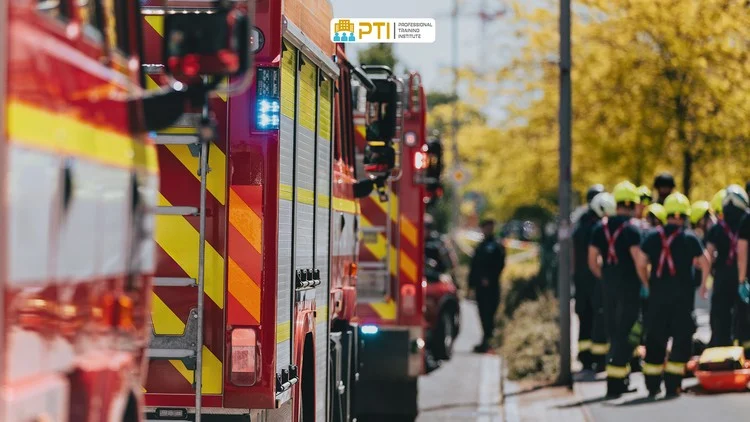
Run a real-world emergency response: incident command, triage, search & rescue, and after-action review
⏱️ Length: 2.0 total hours
👥 118 students
🔄 April 2026 update
Add-On Information:
Note➛ Make sure your 𝐔𝐝𝐞𝐦𝐲 cart has only this course you're going to enroll it now, Remove all other courses from the 𝐔𝐝𝐞𝐦𝐲 cart before Enrolling!
- Course Overview
- This course immerses participants in the critical operational aspects of industrial emergency management, prioritizing practical application over theory.
- It synthesizes internationally recognized Incident Command System (ICS) frameworks with specialized triage and rescue techniques, tailored for industrial settings.
- The curriculum equips individuals with structured methodology for leading and participating effectively in complex emergency scenarios, ensuring safety and minimizing impact.
- Explore the full lifecycle of an industrial emergency, from initial alert and rapid assessment through coordinated response, resource deployment, and post-incident recovery.
- Understand legal and ethical responsibilities in emergency leadership, emphasizing accountability and preservation of life and assets.
- Engage with crisis communication principles, managing information flow effectively to internal teams, external stakeholders, and emergency services.
- Delve into emergency response psychology, preparing responders to maintain composure and make sound judgments under extreme duress.
- Gain insights into inter-agency collaboration, integrating seamlessly with external emergency services, regulators, and contractors during multi-faceted incidents.
- Focus on proactive measures and continuous improvement, establishing a culture of preparedness and resilience within industrial operations.
- Requirements / Prerequisites
- Fundamental understanding of general workplace safety practices and commitment to safety protocols.
- Comfort with dynamic, fast-paced learning environments, simulating high-pressure emergency situations.
- Basic literacy and numeracy for comprehending incident reports, plans, and safety guidelines.
- No specific certifications required; prior first aid or basic emergency response experience advantageous.
- Willingness to engage in collaborative problem-solving and actively participate in simulation-based exercises.
- Strong sense of responsibility and dedication to welfare of colleagues and operational integrity.
- Openness to constructive feedback and desire for continuous development in emergency preparedness.
- Skills Covered / Tools Used
- Proficiency in establishing and maintaining an Incident Command Post (ICP) per ICS guidelines during industrial emergencies.
- Mastery of rapid victim assessment and strategic triage protocols for effective medical care and resource allocation.
- Competence in deploying and managing specialized rescue equipment for industrial environments: harnesses, ropes, air monitors, confined space gear.
- Development of precise communication skills for transmitting critical information clearly across response channels.
- Acquisition of leadership capabilities to direct emergency teams, delegate tasks, and ensure operational cohesion under stress.
- Practical experience utilizing real-time mapping and incident tracking software, where applicable, for situational awareness.
- Skilled application of protective personal equipment (PPE) specific to various industrial hazards, understanding limitations.
- Familiarity with portable breathing apparatus (PBA) and protocols for inspection and deployment in hazardous atmospheres.
- Strategic use of signaling devices and communication systems for internal coordination and external agency liaison.
- Development of robust analytical skills for post-incident review, identifying root causes, and implementing corrective actions.
- Benefits / Outcomes
- Elevated confidence in responding to and managing unforeseen industrial crises, transforming uncertainty into decisive action.
- Enhanced professional credibility as a key contributor to workplace safety and operational resilience.
- Foundational understanding of building robust safety cultures that integrate emergency preparedness into daily operations.
- Reduced potential for property damage, environmental impact, and legal liabilities through proactive, skilled intervention.
- Increased capacity for organizational compliance with industry safety regulations and international emergency response standards.
- Improved team cohesion and inter-departmental cooperation during critical incidents, fostering a unified and effective response.
- Ability to serve as an internal expert and trainer, contributing to continuous upskilling of colleagues.
- Fortified personal resilience framework, enabling individuals to manage psychological demands and support others.
- Recognition as a highly valuable asset contributing to strategic continuity and crisis management objectives.
- PROS
- Highly Practical and Scenario-Driven: Emphasizes hands-on application and realistic simulations, preparing participants for actual emergencies.
- Industry-Specific Focus: Tailored content directly addresses unique challenges and regulatory landscapes of industrial environments.
- Immediate Skill Transferability: Skills acquired are directly applicable to current roles, contributing to a safer, more prepared workplace.
- Expert-Led Instruction: Delivered by seasoned professionals with real-world experience, providing invaluable insights.
- Comprehensive Skill Set Development: Integrates multiple facets of emergency management, from command and control to specialized rescue.
- Boosts Team Readiness: Facilitates a standardized approach to emergencies, enhancing organizational response capability and coordination.
- CONS
- Intensive Time Commitment: The comprehensive content and practical focus packed into a short duration demand sustained concentration and active engagement, potentially intensive for some learners.
Learning Tracks: English,Health & Fitness,Safety & First Aid
Found It Free? Share It Fast!