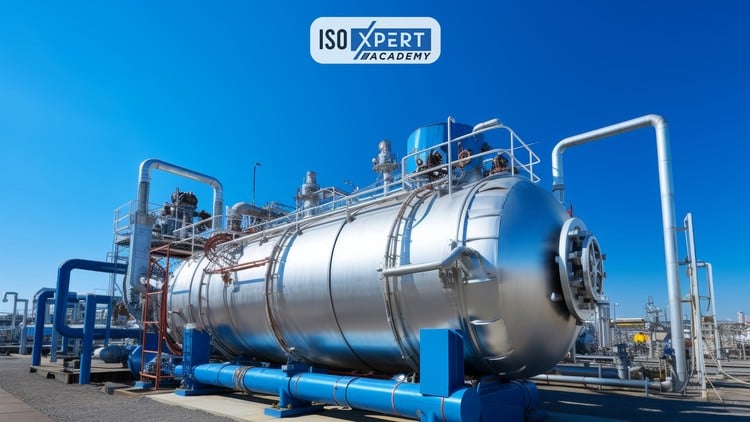
Master Pressure Vessel Inspection Standards, NDE Techniques, Damage Mechanisms, Repair Procedures, and Real-World Cases
What You Will Learn:
- Understand API 510 code requirements and inspection intervals for pressure vessels
- Perform thickness measurements and calculate corrosion rates accurately
- Apply various NDE techniques including UT, RT, MT, PT, and VT effectively
- Calculate remaining life and establish appropriate inspection schedules
- Identify and assess damage mechanisms affecting pressure vessels (CUI, SSC, CLSCC, HTHA, creep)
- Prepare comprehensive inspection reports and maintain proper documentation
- Execute repair, alteration, and rerating procedures per API 510 and ASME PCC-2
- Understand jurisdictional requirements and regulatory compliance (NBIC, OSHA PSM)
- Implement best practices from real-world case studies across the UK, USA, Germany, and Singapore
Learning Tracks: English
Note➛ Make sure your 𝐔𝐝𝐞𝐦𝐲 cart has only this course you're going to enroll it now, Remove all other courses from the 𝐔𝐝𝐞𝐦𝐲 cart before Enrolling!
Add-On Information:
-
Course Overview
- This comprehensive certification preparation program is meticulously designed to equip aspiring and practicing pressure vessel inspectors with the foundational knowledge and practical skills required to meet the stringent demands of the API 510 certification.
- The curriculum delves into the intricate details of the API 510 Pressure Vessel Inspection Code, fostering a deep understanding of its application in ensuring the safe operation and integrity of in-service pressure equipment.
- Participants will gain mastery over the theoretical underpinnings and practical methodologies essential for conducting thorough inspections, evaluating degradation, and recommending appropriate actions to maintain structural integrity.
- The course emphasizes a holistic approach, integrating code interpretation, non-destructive examination (NDE) principles, and an understanding of material science as it pertains to pressure vessel service life.
- A significant portion of the training is dedicated to developing critical thinking skills for analyzing degradation mechanisms and their impact on vessel performance, thereby enabling informed decision-making for maintenance and continued service.
- By bridging theoretical concepts with practical application through case studies and problem-solving scenarios, this course aims to build confidence and competency in handling diverse inspection challenges.
- The program is structured to not only cover the stipulated API 510 syllabus but also to impart best practices and industry insights that extend beyond the examination itself, promoting a proactive safety culture.
- Successful completion of this course will provide a solid foundation for individuals seeking to demonstrate their expertise and become certified API 510 Pressure Vessel Inspectors.
- The course fosters an understanding of the lifecycle management of pressure vessels, from initial installation through in-service operation, repair, and eventual retirement.
- It cultivates an appreciation for the ethical responsibilities and professional conduct expected of an API 510 certified inspector.
-
Requirements / Prerequisites
- While this course is foundational, a basic understanding of engineering principles and industrial equipment is beneficial for optimal learning.
- Familiarity with general safety protocols in industrial environments is recommended.
- Prior exposure to any form of mechanical inspection or quality control will enhance the learning experience.
- A willingness to engage with technical documentation and code-based standards is essential.
- Attendees should possess a curious and analytical mindset, ready to delve into the intricacies of pressure vessel integrity.
-
Skills Covered / Tools Used
- Proficiency in interpreting and applying complex technical codes and standards.
- Development of analytical skills for root cause analysis of equipment failures.
- Competency in evaluating engineering drawings, P&IDs, and fabrication documents.
- Enhanced report-writing abilities, emphasizing clarity, accuracy, and actionable recommendations.
- The ability to utilize and interpret data from various inspection instruments and tools (conceptual understanding of their application).
- Problem-solving skills focused on identifying, assessing, and mitigating risks associated with pressure vessel operation.
- Understanding of the interdisciplinary nature of pressure vessel inspection, involving materials, mechanical design, and corrosion engineering.
- Effective communication of technical findings to diverse stakeholders, including engineers, management, and regulatory bodies.
- The course implicitly covers the ‘tools’ of an inspector: a keen eye for detail, a systematic approach, and a commitment to safety.
- Development of a strong safety-first mindset as the paramount consideration in all inspection activities.
-
Benefits / Outcomes
- Empowers individuals to pursue API 510 certification, a globally recognized credential.
- Significantly enhances career opportunities within the oil and gas, petrochemical, chemical, and manufacturing industries.
- Provides the knowledge base to contribute to the safety and reliability of critical infrastructure.
- Develops the capacity to make informed decisions regarding the operational integrity of pressure vessels.
- Fosters a deeper understanding of the economic implications of effective inspection and maintenance.
- Equips participants with the confidence to tackle challenging inspection scenarios.
- Promotes a proactive approach to asset management and risk reduction.
- Builds a network of professionals with a shared commitment to industry best practices.
- Contributes to preventing costly failures, environmental incidents, and personnel injuries.
- Establishes a solid platform for continuous professional development in the field of asset integrity management.
-
PROS
- Highly Specialized Knowledge: Focuses on a critical and in-demand niche within engineering and safety.
- Career Advancement: Directly leads to a recognized certification that boosts employability and earning potential.
- Safety Emphasis: Instills a critical understanding of preventing catastrophic failures and ensuring workplace safety.
- Global Applicability: API 510 is recognized internationally, opening doors to diverse job markets.
- Practical Relevance: Integrates theoretical knowledge with real-world inspection scenarios and case studies.
-
CONS
- Intensive Study Required: The depth of the API 510 code necessitates significant dedication and study time beyond the course itself to pass the certification exam.