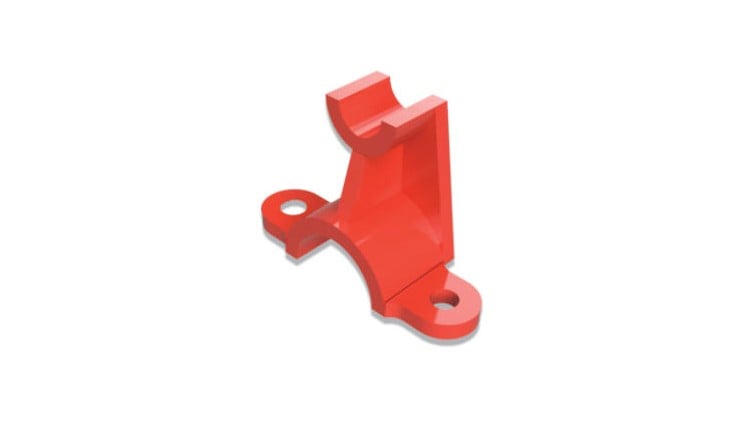
Step-by-Step Guide to Fusion 360
What you will learn
Understand the user interface and workspace layout of Autodesk Fusion 360
Develop precise 2D sketches using constraints and dimensions
Create and modify 3D components using extrude, revolve, loft, and sweep operations
Create sheet metal components and flat patterns for manufacturing
Why take this course?
This course offers an in-depth exploration of Autodesk Fusion 360, guiding you through every aspect of 3D modeling and design. Whether you’re an Engineer, Product Designer, Diploma Holder, Undergraduate, or a School Student, this tutorial series is designed to take you from beginner to advanced levels with no prior experience required.
Through comprehensive, step-by-step video lessons, you will:
- Master sketching techniques to create accurate 2D profiles.
- Learn part modeling to develop intricate 3D components.
- Explore assembly design to construct multi-part systems with precision.
- Gain expertise in sheet metal workflows for fabricating sheet metal parts.
- Develop professional-level skills in technical drafting, creating industry-standard 2D drawings.
Additionally, the course delves into advanced concepts such as parametric design, top-down assembly modeling, and design optimization, equipping you with the knowledge to handle real-world challenges in design and manufacturing.
By the end of this course, you will have the expertise to confidently use Fusion 360’s powerful tools to bring innovative and complex designs to life, ready to meet the demands of modern engineering and product development.
The course also delves into advanced design concepts, equipping you with the skills to create complex and innovative designs using Fusion 360’s versatile tools.
By the end of this course, you’ll have the confidence and skills to create professional, innovative, and complex designs using Fusion 360.
The course also explores advanced design concepts, empowering learners to create complex and innovative designs using Fusion 360’s powerful tools.
The Real Deal on Fusion 360: A Deep Dive into the Tutorial Series
Look, I’ve spent the better part of a decade jumping between various CAD platforms—from the heavy-duty legacy systems like SolidWorks to more artistic surfaces in Rhino. If there is one thing I’ve learned, it’s that the tool is only as good as the workflow you develop. This Fusion 360 tutorial series isn’t just another dry “click here, then click there” walkthrough. It feels more like a mentorship from someone who has actually spent time in a machine shop and a design studio. Instead of just listing features, the course focuses on the parametric modeling logic that separates the amateurs from the pros.
The beauty of Fusion 360 lies in its cloud-integrated ecosystem, and these videos do a stellar job of grounding you in that environment. While many courses rush straight into 3D sculpting, this one forces you to respect the industry-standard tools and the “Golden Rule” of CAD: your 3D model is only as stable as your 2D sketch. If you’re looking to build job-ready skills, you need to understand why a sketch needs to be fully defined, and this course hammers that home with refreshing clarity.
What You Actually Need Before Starting
One of the best things about this beginner to advanced track is that the barrier to entry is remarkably low. You don’t need a background in mechanical engineering, but you do need the right mindset. Here is the reality of what you should have on your desk:
- Hardware: A computer that meets Autodesk’s mid-range specs. Don’t try to run this on a ten-year-old laptop unless you enjoy watching your screen freeze during a loft operation.
- Peripheral: A three-button mouse with a scroll wheel. Trying to navigate a 3D workspace with a trackpad is a recipe for carpal tunnel and frustration.
- Software: A valid subscription or the personal-use version of Autodesk Fusion 360 installed and ready to go.
- Mindset: Patience for the “Red Error” messages. This course teaches you how to troubleshoot, which is arguably more important than the modeling itself.
Mastering the Tools and Technical Skills
This isn’t just about making pretty pictures; it’s about technical proficiency. The course structure moves logically through the 3D design pipeline. You start by mastering the User Interface (UI), which, let’s be honest, can be intimidating with its contextual tabs and hidden marking menus. Once you’re comfortable in the workspace, the hands-on labs push you into the meat of the software.
You’ll spend a significant amount of time on constraints and dimensions. This is the “secret sauce” of career growth in engineering—learning how to make a design that can be easily edited later without the whole thing breaking. From there, the transition into complex geometries—using sweeps, lofts, and revolves—is handled with practical, real-world projects rather than abstract shapes. The inclusion of sheet metal design is the cherry on top, as it bridges the gap between digital design and physical manufacturing.
Career Benefits and the Modern Job Market
If you are looking for certification prep, this course provides a rock-solid foundation. We are seeing a massive shift in the industry where startups and mid-sized manufacturing firms are ditching expensive, localized licenses for Fusion 360’s cloud flexibility. Being “Fusion-fluent” opens doors to several high-paying roles:
- Product Design Engineer: Taking a concept from a napkin sketch to a prototyping-ready 3D model.
- CAD/CAM Technician: Bridging the gap between design and the CNC machines or 3D printers on the shop floor.
- Sheet Metal Fabricator: Using the flat pattern tools to create precise templates for industrial folding and cutting.
- Freelance Designer: Leveraging the cloud-sharing features of Fusion 360 to collaborate with global clients on innovative projects.
The Pros: Why This Course Stands Out
- Workflow-Centric Approach: It doesn’t just teach the tools; it teaches the design intent. You learn how to build models that are “intelligent” and easy to modify.
- Niche Manufacturing Focus: Including a module on sheet metal components is a huge plus. It’s a specific skill set that is in high demand but often ignored in generalist courses.
- Logical Progression: The transition from beginner to advanced concepts feels earned. The hands-on labs ensure you aren’t just a passive observer but an active creator.
The Con: An Honest Critique
If I have one gripe, it’s that the course could dive deeper into assembly management and joint origins. While it masters the creation of individual components, when you get into massive assemblies with hundreds of moving parts, the organization becomes vital. Beginners might find themselves with a messy “Browser” tree if they aren’t careful, and I would have liked to see a bit more emphasis on file hygiene for large-scale industry projects.
Overall? If you’re serious about career growth in the design space, this is a top-tier investment of your time.