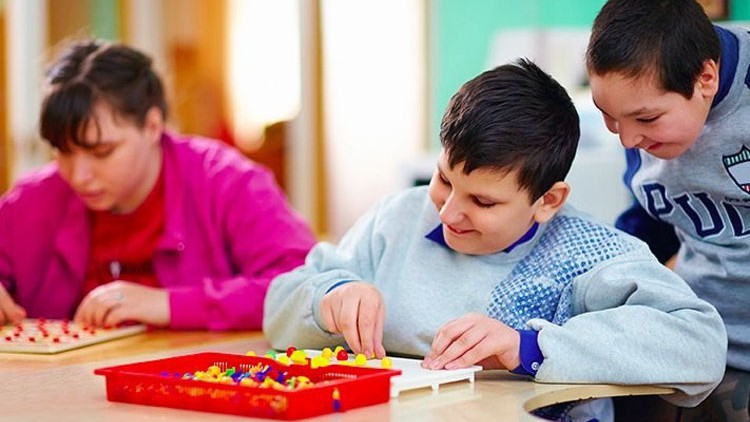
Empowering Autism: Game-Based Interventions for Social and Cognitive Development
What you will learn
Guidance on selecting and adapting games for diverse needs
The Role of Games in Autism Therapy.
Designing Games for Specific Learning Objectives.
Practical Strategies for Implementing Games.
Resources and Tools for Game-Based Therapy
Assessing Progress and Adjusting Interventions
Why take this course?
🚀 Course Title: Game-Based Therapy For Autistic Kids 🎮✨
Empowering Autism: Game-Based Interventions for Social and Cognitive Development
About the Course:
🎉 Introduction to Autism Spectrum Disorder (ASD): ASD affects children in diverse ways, particularly in their social interactions and cognitive development. This course delves into how games can act as a powerful medium to bridge these gaps, offering a unique opportunity for autistic kids to thrive.
🎠 Certification from Vidya Retreat: Upon completing this course, participants will earn a Personalized Certificate, a testament to their commitment and understanding of game-based therapy for children with ASD.
📚 Course Outline:
- Understanding Autism Spectrum Disorder (ASD):
- Define ASD and its characteristics.
- Explore the common challenges faced by autistic children.
- Emphasize the importance of tailored interventions for effective support.
- The Role of Games in Autism Therapy:
- Discover how game-based therapy can complement traditional therapeutic approaches.
- Understand the multifaceted benefits of games for autistic children.
- Identify the types of games that are most effective for skill development.
- Designing Games for Specific Learning Objectives:
- Learn to create engaging social interaction and communication games.
- Explore cognitive development games to enhance problem-solving skills.
- Discuss sensory integration games that cater to the unique needs of children with ASD.
- Practical Strategies for Implementing Games:
- Create a nurturing environment that supports learning and growth.
- Adapt games to meet the individual needs of each child.
- Collaborate effectively with parents and caregivers to ensure consistent progress.
- Assessing Progress and Adjusting Interventions:
- Monitor the development of social and cognitive skills in children.
- Identify challenges and refine game strategies to optimize outcomes.
- Incorporate feedback from children and stakeholders to tailor the intervention.
- Resources and Tools for Game-Based Therapy:
- Overview of available games, resources, and technological interventions.
- Explore community support networks and online platforms for additional guidance.
🔑 Key Takeaways:
- Gain a deeper understanding of ASD and the unique needs of autistic children.
- Learn how game-based therapy can significantly enhance social and cognitive skills in children with ASD.
- Design and implement games tailored to specific learning objectives, ensuring a personalized approach.
- Create a supportive environment that encourages growth and development.
- Assess progress and adjust interventions to meet each child’s unique challenges and strengths.
- Access valuable resources and tools that will aid in the implementation of game-based therapy.
Join us on this transformative journey to empower autistic kids through the magic of games! 🌟
Overview: Unlocking Potential with Play
Alright, let’s talk about this “Game-Based Therapy for Autistic Kids” course. As someone who’s spent a good chunk of their career building and evaluating tech, I’m always a bit skeptical of buzzword-laden training. But this one? It genuinely surprised me. It’s not just about slapping some apps on an iPad and calling it a day. The course digs into the *why* and *how* of using games as a therapeutic tool, which is a critical distinction. It approaches game-based therapy with a thoughtful, structured framework that reminded me a bit of how we approach software development lifecycle – from ideation and design to implementation and iteration. They’re essentially building a therapeutic intervention, and that requires a strategic, informed approach.
What really struck me was the emphasis on adapting and selecting games. This isn’t a one-size-fits-all scenario, and the course makes that abundantly clear. It’s about understanding the individual autistic child’s needs, strengths, and challenges, and then finding or even *designing* games that target specific social, emotional, or cognitive goals. Think of it like choosing the right programming language or framework for a specific project; you wouldn’t use Python for everything. This course guides you on making those informed decisions, which is where the real value lies.
Prerequisites
This course is pretty accessible, but having a foundational understanding of child development or special education principles would certainly give you a leg up. If you’ve got some experience working with children, especially those with developmental differences, you’ll be in a good spot. Honestly, a general comfort level with technology is also beneficial, as you’ll be exploring digital tools. No need to be a coding wizard, but being able to navigate software and troubleshoot minor issues is key.
Skills & Tools
This is where the course shines in terms of practical, job-ready skills. You’ll gain proficiency in:
- Assessing game-based therapy needs for individual children.
- Selecting and adapting a wide range of games (digital and non-digital) for specific therapeutic objectives.
- Designing simple game mechanics and scenarios to target particular learning goals.
- Implementing game-based interventions effectively within various settings.
- Monitoring and evaluating progress using data-driven approaches.
- Leveraging various assistive technologies and resources.
The “tools” here are less about industry-standard software licenses and more about a curated selection of accessible games, therapeutic apps, and potentially some low-code platforms for creating basic game elements. They guide you on where to find these resources, which is incredibly valuable.
Career Benefits & Job Roles
This training is a fantastic way to enhance your existing skill set or pivot into a specialized area. For those already in the fields of psychology, special education, or therapy, it adds a powerful, modern intervention to your repertoire. It can also open doors to roles like:
- Game-Based Intervention Specialist
- Therapeutic Game Designer
- Educational Technology Consultant (with a focus on special needs)
- Behavioral Therapist (integrating game-based approaches)
Think of this as gaining specialized certification prep in a rapidly evolving therapeutic landscape. It’s about developing job-ready skills that are increasingly in demand.
Pros
- Highly Practical and Actionable: The course doesn’t just talk theory; it provides concrete strategies and examples. The hands-on labs, or rather, the guided practice sessions, are excellent for building confidence.
- Focus on Customization: The emphasis on tailoring interventions to individual needs is a huge plus. This isn’t a cookie-cutter approach, which is crucial for effective autism therapy.
- Innovative and Engaging Content: It presents a modern, engaging approach to therapy that can be incredibly motivating for children and therapists alike. It’s about making progress fun.
- Resource Rich: The course provides a fantastic curated list of resources and tools, saving you a ton of time and effort in your own research.
Cons
My one honest critique? While the course covers designing games, it’s more about adapting existing ones or creating simple variations. If you’re looking to become a full-blown game developer *for therapeutic purposes*, you’d likely need more advanced training in game design software and programming languages. This course is about the *therapeutic application* of games, not necessarily the deep technical creation of them from scratch. It’s beginner to intermediate in terms of pure game design.