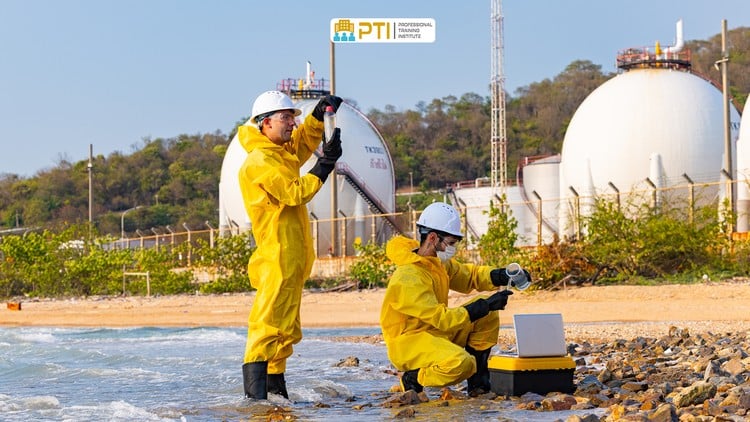
Master EPA SPCC regulations, oil spill containment strategies, emergency response protocols, and environmental
What You Will Learn:
- Master EPA SPCC regulatory framework
- Design effective secondary containment systems
- Develop compliant SPCC plans
- Implement oil storage best practices
- Execute emergency response protocols
- Conduct inspections and audits
- Analyze real-world case studies
- Apply advanced industry techniques
An Honest Deep-Dive into SPCC Certification: Oil Spill Prevention & Control Mastery
Look, let’s be real. Environmental compliance is usually the part of the project lifecycle that makes even the most seasoned engineers want to hide in a server room. It’s dense, it’s legally fraught, and the stakes are—quite literally—catastrophic if you get it wrong. I recently went through the SPCC Certification: Oil Spill Prevention & Control Mastery course, and I wanted to share whether this is actually worth your time or just another box-ticking exercise.
Most certification prep programs for environmental regulations are essentially someone reading a PDF of 40 CFR Part 112 to you. This course feels different. It treats the EPA SPCC regulatory framework not as a set of hurdles, but as an engineering challenge. The instructors clearly have “dirt under their fingernails” experience, which is a breath of fresh air. They don’t just tell you that you need a plan; they show you why a specific secondary containment system failed in a real-world scenario and how to avoid that specific disaster. It takes you from a beginner to advanced level of understanding without making your eyes bleed from boredom.
Prerequisites
While the course is marketed as accessible, you’ll get the most out of it if you have a foundational understanding of facility management or industrial operations. You don’t need to be a Professional Engineer (PE) yet, but having a basic grasp of fluid dynamics or general HSE (Health, Safety, and Environment) principles will help you keep up. If you’re coming from a pure tech or software background looking to pivot into clean-tech or industrial compliance, you might need to Google some terminology, but the course does a decent job of onboarding novices.
Skills & Tools You’ll Master
This isn’t just theory; it’s about job-ready skills. I was impressed by the focus on industry-standard tools and documentation. You aren’t just learning “about” oil storage; you’re learning the technical nuances of API 653 tank inspections and how to calculate the capacity requirements for dikes and berms.
- Technical Documentation: Developing compliant SPCC plans that actually pass an EPA audit.
- Engineering Calculations: Designing effective secondary containment systems using volumetric math.
- Audit Readiness: Using real-world projects to simulate a surprise inspection and identifying common “red flags.”
- Emergency Response: Moving beyond the “call 911” phase and into tactical emergency response protocols that minimize environmental impact.
Career Benefits & Job Roles
In today’s market, saying you “know” environmental rules isn’t enough. Having a specific certification like this provides a massive boost to career growth. Companies are desperate for people who can bridge the gap between “we have oil tanks” and “we are 100% compliant with federal law.” This mastery course positions you for several high-paying roles:
- Environmental Compliance Officer: Ensuring large-scale facilities stay within the lines of the law.
- HSE Manager: Overseeing safety and environmental impact for construction or manufacturing firms.
- Operations Engineer: Integrating oil storage best practices into daily facility workflows.
- Sustainability Consultant: Helping firms modernize their secondary containment strategies to meet ESG goals.
The Pros
- Hands-on Labs: This isn’t just a lecture series. The hands-on labs involve looking at blueprints and identifying flaws in containment design. It’s as close as you can get to field work from a screen.
- No Fluff: The course cuts straight to advanced industry techniques. I appreciated that it didn’t spend three hours on the history of the EPA and instead focused on how to conduct inspections and audits effectively.
- Case Study Depth: The real-world case studies are the highlight. Analyzing why a specific facility’s plan failed during a flood provides a level of insight you simply can’t get from a textbook.
The Cons
The only real downside is the sheer volume of information. Because it covers everything from beginner to advanced levels, the mid-section can feel a bit like a firehose. If you’re a fast-paced learner, you’ll love it, but if you’re looking for a “casual” overview, this might feel a bit overwhelming. It’s a serious course for people who actually want to master the craft.
In short? If you’re looking for certification prep that actually prepares you for the job, this is it. It’s an investment in your career growth that pays off the next time you’re standing in a facility and someone asks, “Is this dike compliant?” and you actually know the answer.