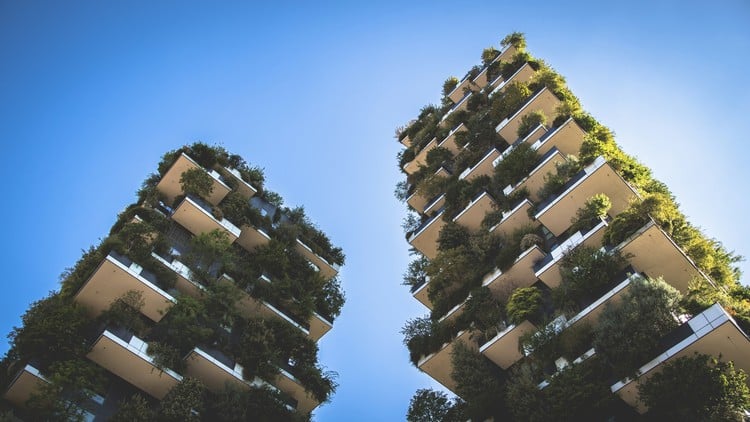
Dive into the world of sustainable architecture and green building practices.
What You Will Learn:
- Learn the Principles of Sustainable Architecture
- Understand Sustainable Architecture Design Strategies
- Discover the Challenges of Sustainable Architecture
- Learn the Definition of Green Buildings
- Apprehend the Benefits of Green Buildings
- Discover Green Materials & Examples
- Learn the Challenges of Green Buildings
Dive into the world of sustainable architecture and green building practices.
Overview
In an era where environmental consciousness is no longer a niche concern but a global imperative, understanding how to design and construct responsibly is paramount. The ‘Principles of Sustainable Architecture & Green Buildings’ course isn’t just another academic deep dive; it’s a critical compass for navigating the future of the built environment. What truly sets this course apart is its holistic approach – it doesn’t just preach the virtues of green building; it systematically dismantles the complex web of concepts, strategies, and challenges into digestible, actionable knowledge. From the philosophical underpinnings of sustainable design to the nitty-gritty of material selection, it paints a comprehensive picture. It’s less about memorizing definitions and more about cultivating a mindset that interrogates every design choice through a lens of long-term environmental and social impact. This makes it an invaluable foundation, whether you’re a seasoned professional looking to upskill or a curious newcomer eager to make a difference.
Prerequisites
Fortunately, this course is designed with a broad audience in mind, making it quite accessible. While a basic understanding of architecture or engineering concepts might provide a slight head start, it’s by no means a strict requirement. The curriculum effectively caters to individuals from `beginner to advanced` levels of familiarity with the subject matter. What you truly need is an interest in sustainability, a willingness to engage with complex ideas, and a desire to contribute to a greener future. If you’re coming from a non-technical background, rest assured the foundational principles are explained clearly without relying on excessive jargon, building your knowledge block by block.
Skills & Tools
You won’t just learn *about* green buildings; you’ll develop a robust set of `job-ready skills` essential for the modern construction and design landscape. Key among these is the ability to critically evaluate building designs for their sustainability potential, understand the lifecycle impact of materials, and articulate the benefits of green building strategies to stakeholders. While it’s primarily a principles course, it naturally introduces the conceptual frameworks that underpin the use of various `industry-standard tools` like energy modeling software (e.g., IESVE, EnergyPlus) and Building Information Modeling (BIM) platforms, even if direct hands-on instruction isn’t the primary focus. You’ll gain the analytical skills to comprehend data from such tools, enabling informed decision-making. Moreover, the course enhances your proficiency in applying sustainable design strategies, which is a practical skill invaluable in `real-world projects`.
Career Benefits & Job Roles
For anyone serious about steering their career towards a more impactful direction, this course offers significant `career growth` potential. The demand for professionals skilled in sustainable architecture and green building practices is skyrocketing across industries. Graduates can find themselves better equipped for roles such as:
- Sustainability Consultant: Advising clients on green building strategies and certifications.
- Green Building Project Manager: Overseeing projects with sustainability targets.
- Architect/Designer: Integrating sustainable principles into their designs from conception.
- Urban Planner: Developing sustainable community plans and policies.
- Facilities Manager: Optimizing existing buildings for energy efficiency and reduced environmental footprint.
The course also serves as excellent groundwork for `certification prep`, specifically for credentials like the LEED Green Associate exam, giving you a competitive edge in the job market. Understanding these principles is no longer a bonus; it’s becoming a fundamental expectation for many employers in the A/E/C (Architecture, Engineering, and Construction) sector, opening doors to more forward-thinking and socially responsible opportunities.
Pros
- Comprehensive Foundational Knowledge: Provides a strong, well-structured understanding of the core principles, design strategies, and material science behind sustainable architecture and green buildings.
- Highly Relevant & Future-Proof: Directly addresses the most pressing environmental and economic challenges, making the knowledge acquired immediately applicable and vital for future industry trends and regulations.
- Clear Articulation of Benefits & Challenges: Successfully breaks down both the compelling advantages and the practical hurdles of implementing sustainable practices, offering a balanced and realistic perspective.
- Practical Application Focus: While theoretical, the course is peppered with examples and case studies that highlight `real-world projects`, helping to bridge the gap between abstract concepts and tangible applications.
Cons
- While comprehensive in its principles, the course could benefit from more extensive `hands-on labs` or dedicated modules focusing on specific `industry-standard tools` for energy modeling, daylight simulation, or life-cycle assessment. This would significantly elevate the learning experience from conceptual understanding to practical software proficiency, which is increasingly valuable for `job-ready skills` in the field.