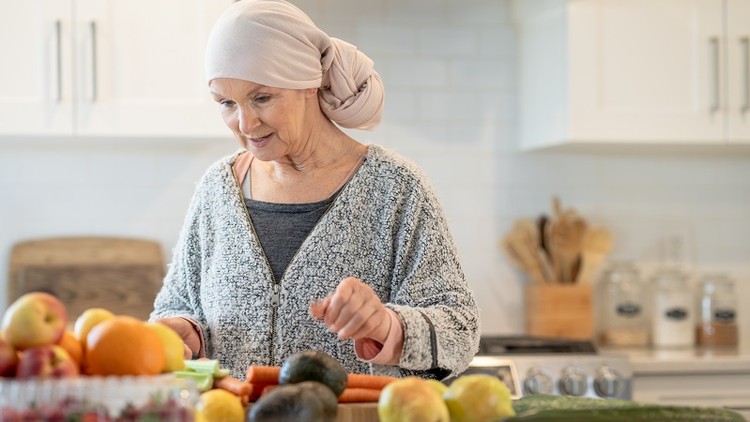
Integrative Nutrition Strategies for Cancer Care – Nutrition Support During Cancer Treatment
What you will learn
Understanding the link between nutrition and cancer development.
Exploring specific dietary interventions for different types of cancer.
Learning how to support conventional cancer treatments with optimal nutrition.
Discovering the role of supplements and herbal remedies in cancer management.
Implementing lifestyle changes to promote overall health and resilience during cancer treatment.
Description
Nourishing the Fight: Nutrition Strategies for Fighting Cancer
Introduction: Cancer remains one of the most prevalent and challenging diseases of our time, affecting millions of lives each year. While conventional treatments such as chemotherapy and radiation therapy are commonly utilized, there is a growing body of evidence highlighting the importance of nutrition in cancer prevention, treatment, and recovery. This course aims to delve into the role of nutrition in combating cancer, drawing upon insights from scientific research and practical strategies.
Key Takeaways:
- Understanding the relationship between nutrition and cancer.
- Exploring evidence-based dietary strategies to prevent and combat cancer.
- Learning how to create personalized nutrition plans tailored to individual needs.
- Discovering the role of specific nutrients, supplements, and dietary patterns in cancer management.
- Empowering individuals to make informed decisions about their diet to support overall health and well-being during and after cancer treatment.
Course Outline:
Module 1: Introduction to Nutrition and Cancer
- Understanding the impact of nutrition on cancer development and progression.
- Exploring the link between dietary patterns, inflammation, and cancer risk.
- Overview of key nutrients and their roles in cancer prevention.
Module 2: Dietary Strategies for Cancer Prevention
- Examining the role of plant-based diets, antioxidants, and phytonutrients in reducing cancer risk.
- Discussing the importance of maintaining a healthy weight and managing obesity for cancer prevention.
- Exploring the concept of calorie restriction and intermittent fasting in cancer prevention.
Module 3: Nutrition during Cancer Treatment
- Understanding common nutritional challenges faced during cancer treatment.
- Exploring strategies to manage side effects such as nausea, loss of appetite, and taste changes.
- Discussing the role of nutrition in supporting immune function and reducing treatment-related complications.
Module 4: Nutritional Support for Cancer Survivors
- Identifying dietary priorities for cancer survivors to promote long-term health and well-being.
- Exploring strategies to manage fatigue, maintain muscle mass, and support bone health post-treatment.
- Discussing the importance of ongoing nutritional monitoring and adjustment for optimal recovery.
Module 5: Integrating Nutrition into Cancer Care
- Understanding the role of a multidisciplinary approach in cancer care, including nutrition counseling.
- Exploring complementary therapies and their potential benefits in conjunction with conventional cancer treatments.
- Discussing strategies for advocating for comprehensive nutritional support within healthcare systems.
Content
Introduction
Beating Cancer with Nutrition
Understanding Alternative Cancer Therapies
WHAT CAUSES CANCER?
CONVENTIONAL CANCER TREATMENTS
MALNUTRITION AMONG CANCER PATIENTS
THE POWER OF NUTRITIONAL SYNERGISM
Nutritious and Delicious: Recipes for Healing
The Role of Supplements in Cancer Care
CHANGING THE UNDERLYING CAUSES OF CANCER
Rational Cancer Treatment
Alright, so I recently dove into the ‘Nutrition Strategies for Fighting Cancer’ course, and as someone who’s spent years wrangling complex systems and certifications in the tech world, I gotta say, it was an interesting departure. Normally, my brain is buzzing with APIs, cloud architecture, and the next big framework. This time, it was all about macronutrients, micronutrients, and the intricate dance between our bodies and those pesky cancer cells. Let’s break it down.
Overview
This course, aptly titled ‘Integrative Nutrition Strategies for Cancer Care,’ isn’t just about “eating your veggies” when you’re going through the wringer. It’s a deep dive into the science-backed connection between what we consume and how our bodies, especially when fighting cancer, respond. I was particularly impressed by how it bridges the gap between traditional oncology and the power of personalized nutrition. It’s not about replacing chemo or radiation, but about arming your body with the best possible ammunition to tolerate treatments, potentially mitigate side effects, and foster an environment less conducive to cancer’s resurgence. Think of it as optimizing your internal infrastructure for maximum resilience. They really emphasize a holistic approach, touching on everything from foundational dietary principles to more nuanced aspects like supplements and lifestyle tweaks. For anyone familiar with building robust systems, this course offers a fascinating parallel in how to build a robust internal defense system.
Prerequisites
Honestly, the prerequisites are pretty minimal, which is a good thing for accessibility. You don’t need to be a registered dietitian or have a PhD in biology. A genuine interest in health, nutrition, and the science behind cancer fighting is your primary requirement. If you’ve ever dabbled in health and wellness certifications or even just read a few reputable articles on nutrition, you’ll be comfortable. Some basic analytical skills, honed from years of problem-solving in a tech environment, will certainly help in digesting the scientific information, but nothing overtly technical is demanded.
Skills & Tools
While this isn’t a coding bootcamp, it still equips you with valuable, albeit different, skill sets. You’ll gain a strong understanding of nutritional science, learning to critically evaluate dietary information and identify evidence-based strategies. The course delves into practical application, teaching you how to translate complex scientific concepts into actionable dietary plans. It’s akin to learning how to implement a new tool in your workflow, but this “tool” is your own body’s nutritional management. There aren’t really “industry-standard tools” in the traditional tech sense, but you’ll learn to leverage resources like scientific literature and reputable health organizations for credible information. Think of it as developing a high-level understanding of a new operational system – your body’s metabolism and immune function.
Career Benefits & Job Roles
This is where it gets interesting for career growth. While it won’t directly land you a job as a senior software engineer, it opens doors in the burgeoning field of integrative health and wellness. If you’re looking to pivot or add a specialized certification to your existing repertoire, this could be a game-changer. Potential roles could include becoming a nutrition coach specializing in oncology support, working with holistic health practitioners, or even enhancing your current role in health tech by bringing a deeper understanding of nutritional science to product development or client advisory. It’s about acquiring specialized knowledge that complements existing skills, much like learning a new programming language to broaden your development horizons.
Pros
- Comprehensive and Science-Based: The course does an excellent job of grounding its recommendations in scientific research, avoiding fads and unsubstantiated claims. It feels robust and reliable.
- Practical Application: It doesn’t just stay theoretical. You get actionable advice that can be applied to real-world scenarios, making it immediately useful for personal or professional contexts.
- Empowering Knowledge: Understanding how nutrition impacts cancer fighting is incredibly empowering. This course provides that knowledge in a structured and digestible format.
- Holistic Perspective: The integration of lifestyle factors alongside diet provides a well-rounded approach to supporting overall health during treatment.
Cons
- Depth vs. Breadth: While it covers a lot of ground, some topics, particularly the highly specific dietary interventions for rare cancer types, might feel a bit introductory if you’re looking for deep, hands-on lab-style expertise in every single area. It’s more of a comprehensive overview than a hyper-specialized deep dive into every niche.
Overall, if you’re looking to understand the profound impact of nutrition on cancer care, this course is a solid investment. It’s not a quick certification prep for a high-CPC tech job, but it’s an invaluable learning experience that offers significant value for anyone interested in health, wellness, and supporting those affected by cancer.