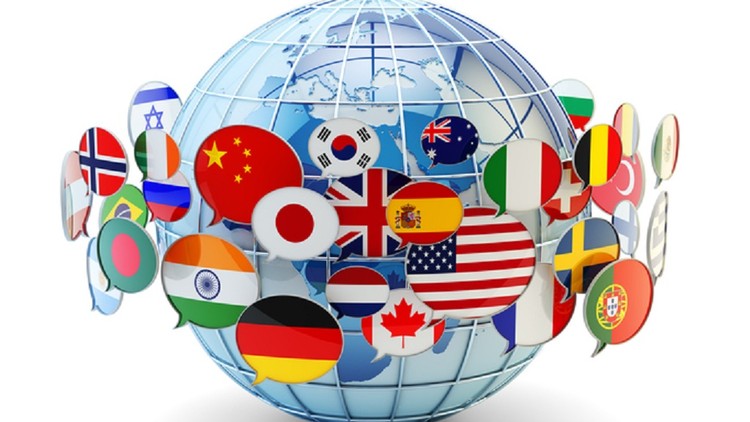
Learn the basics of Cross Cultural Communication and learn how to be effective in your personal and professional life !
What you will learn
Grasp the fundamental concepts of different cultural norms, values, and communication styles.
Learn how to adapt your communication techniques to engage effectively with people from diverse cultural backgrounds.
Discover ways to identify and overcome common challenges and misunderstandings in cross-cultural interactions.
Develop skills to enhance cultural awareness, sensitivity, and inclusivity in both personal and professional settings.
Gain insights into how cross-cultural communication impacts teamwork and collaboration in international environments.
Why take this course?
Cross-cultural communication is the exchange of information between individuals from different cultural backgrounds. It involves understanding and navigating the diverse norms, values, and communication styles that vary across cultures.
Effective cross-cultural communication is essential in today’s globalized world, as it fosters mutual respect, reduces misunderstandings, and enhances collaboration. By developing cultural awareness and sensitivity, individuals can bridge cultural gaps, whether in personal relationships, business interactions, or international settings.
Mastering this skill not only improves interpersonal connections but also contributes to more inclusive and harmonious environments, enabling success in diverse and multicultural contexts.
Here are the top five reasons to learn cross-cultural communication:
- Globalization – In a connected world, understanding diverse cultures is essential for effective communication in international business, travel, and online interactions.
- Enhanced Relationships – Learning cross-cultural communication helps build stronger, more respectful relationships with people from different backgrounds, both personally and professionally.
- Improved Collaboration – In multicultural teams, effective cross-cultural communication reduces misunderstandings, leading to better teamwork and project outcomes.
- Career Advancement – Employers value cultural competence, making cross-cultural communication skills a significant asset for career growth in global industries.
- Conflict Resolution – Understanding cultural differences enables individuals to navigate and resolve conflicts more effectively, fostering a more inclusive environment.
Top Reasons why you should choose this Course :
- This course offers real-world examples and case studies, making the concepts easy to apply in daily interactions.
- Having traveled to more than 20 countries, and worked in different cultures, you will learn from my expertise in the field, with clear explanations and actionable tips.
- The course covers all essential aspects of cross-cultural communication, from basics to advanced strategies.
- Designed for busy learners, this course allows students to learn at their own pace, anytime, anywhere.
A Verifiable Certificate of Completion is presented to all students who undertake this unique and comprehensive Cross Culture Communication course.
- Learn the basics of Cross Cultural Communication and learn how to be effective in your personal and professional life!
Course Overview
- This comprehensive course, “Mastering Cross-Cultural Communication,” equips individuals with nuanced understanding and practical tools essential for navigating our interconnected global landscape, moving beyond superficial tips into foundational frameworks.
- Explore global cultural intricacies, examining how history, geography, and socio-economic factors shape distinct worldviews and communication patterns. Unravel complexities like high- vs. low-context and polychronic vs. monochronic cultures.
- Understand the profound impact of non-verbal cues, silence, proxemics, haptics, and chronemics, which often convey more than spoken words and vary dramatically across cultures, emphasizing interpreting unspoken messages.
- Discover how cultural dimensions like power distance and uncertainty avoidance influence communication flow, decision-making, and feedback in diverse groups. Gain a robust framework for anticipating and constructively engaging these differences.
- Examine language beyond translation, as a carrier of cultural identity, humor, and implicit assumptions. Address challenges and opportunities from linguistic diversity, fostering clarity and empathy in multilingual settings.
- The curriculum appeals to a broad audience, from students entering international careers to professionals managing global teams, cultivating a global mindset critical for contemporary success.
Requirements / Prerequisites
- Genuine curiosity and open-mindedness towards different cultures and perspectives are paramount, including a willingness to challenge one’s own cultural assumptions.
- No prior academic qualifications are necessary; however, a basic familiarity with current global events can enhance the learning experience.
- Access to a reliable internet connection and a device for engaging with online learning materials (videos, readings, discussion forums) is required.
- Active participation in exercises, case studies, and peer discussions is encouraged to maximize practical application and retention of course concepts.
Skills Covered / Tools Used
- Effective Intercultural Negotiation: Master strategies for successful negotiation in diverse cultural contexts, understanding varied objectives, priorities, and conflict resolution approaches.
- Adaptive Leadership & Team Management: Develop competencies to lead culturally diverse teams, implementing leadership styles that resonate across different hierarchies and communication preferences.
- Strategic Cultural Intelligence (CQ) Development: Employ practical frameworks to systematically develop your Cultural Intelligence across its four dimensions: drive, knowledge, strategy, and action.
- Contextual Conflict Resolution: Acquire tailored techniques for de-escalating and resolving misunderstandings arising from cultural differences, emphasizing mutual respect and long-term relationships.
- Global Presentation & Public Speaking: Craft and deliver compelling presentations to international audiences, adapting content, style, and delivery for effective and respectful engagement.
- Leveraging Digital Communication Tools Globally: Learn best practices for using digital platforms (email, video conferencing) to foster clear and effective communication across time zones and cultural boundaries.
- Self-Reflection & Bias Mitigation: Utilize guided exercises to identify personal cultural biases and develop strategies for mitigating their impact on communication and decision-making.
Benefits / Outcomes
- Enhanced Global Career Mobility: Position yourself as a highly valued asset in multinational corporations, opening doors to leadership and overseas opportunities requiring cross-cultural engagement.
- Fostering Inclusive Environments: Become a catalyst for creating more inclusive workplaces and communities where diverse perspectives are celebrated and integrated for innovation and cohesion.
- Stronger International Partnerships: Build and maintain robust, trusting relationships with international clients, partners, and stakeholders, leading to successful collaborations and expanded networks.
- Personal Growth & Enriched Worldview: Experience significant personal development by broadening your perspective, increasing empathy, and developing a nuanced understanding of humanity.
- Reduced Risk of Misunderstandings & Failures: Proactively minimize cultural faux pas, communication breakdowns, and project failures often plaguing international ventures, saving time and resources.
- Improved Brand Reputation & Customer Loyalty: For business professionals, build a global brand known for its cultural sensitivity, fostering deeper loyalty among diverse customer bases.
PROS
- Practical, Actionable Strategies: Focuses on real-world scenarios, providing concrete, immediately applicable strategies for improving cross-cultural interactions.
- Diverse Case Studies & Examples: Utilizes a rich array of global examples and case studies, making complex cultural theories tangible and enhancing understanding.
- Expert-Led Content: Developed and delivered by instructors with extensive international experience, offering authentic insights and practical guidance.
- Interactive Learning Experience: Incorporates engaging activities, simulations, and group discussions to foster active learning and practical skill development.
- Lifelong Applicability: Skills acquired are universally valuable, enriching all aspects of one’s personal and professional life.
- Customizable Learning Paths: Offers modular content, allowing learners to focus on areas most relevant to their specific needs.
CONS
- Requires significant self-reflection and a genuine commitment to challenging preconceived notions, which can be an intensive personal process.