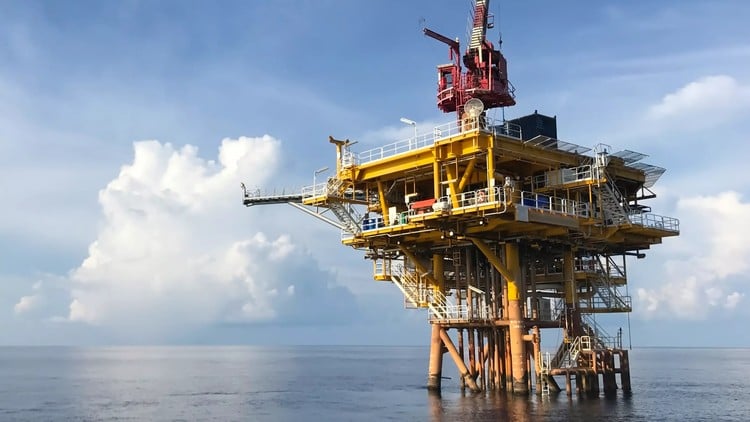
Understanding Offshore Production, Subsea Systems, ROV Operations, and Oil & Gas Economics
What You Will Learn:
- Offshore Personnel
- Oil and Gas Professionals
- University Students
- Fresh Graduates
- Energy Professionals
The Honest Take: Why Strategy and Economics Matter in Subsea Engineering
Let’s be real for a second: the oil and gas industry is often portrayed as a collection of giant steel structures and loud machinery. While that’s true on the surface, the real magic—and the real money—happens where you can’t see it. I recently took a deep dive into the Free Oil and Gas: Strategy, Economics, Offshore, Subsea course, and I have to say, it’s a bit of a hidden gem for anyone trying to bridge the gap between “knowing how a drill works” and “understanding how a multi-billion dollar project stays afloat.”
Usually, free courses feel like a glorified sales pitch for a paid certification, but this one felt different. It moves beyond the basic terminology and actually forces you to look at the offshore sector through the lens of a project manager or a lead strategist. We’re talking about a comprehensive beginner to advanced journey that connects the technical dots of Subsea Production Systems (SPS) with the cold, hard numbers of energy economics. If you’re looking for job-ready skills that go beyond just turning a wrench, this is where you start.
Prerequisites: Do You Need a PhD?
One of the biggest misconceptions about offshore engineering is that you need a decade of experience just to understand the jargon. You don’t. This course is surprisingly accessible for fresh graduates and university students. However, if you have a baseline understanding of basic physics or a general interest in how global energy markets fluctuate, you’ll get much more out of it. You don’t need to be a math wizard, but being comfortable with the idea of CAPEX and OPEX (Capital and Operating Expenditure) will definitely help you navigate the economics modules without a headache.
Developing a High-Value Skillset and Toolbelt
What I appreciated most was the focus on industry-standard tools and workflows. It’s not just about watching videos; it’s about understanding the logic behind ROV operations and how subsea trees are deployed in ultra-deepwater environments. By the end of the modules, you’ll have a grasp on:
- Economic Modeling: Understanding how companies decide if an offshore field is even worth the investment.
- Subsea Infrastructure: Deep-sea hardware, from manifolds to umbilicals.
- ROV & Intervention: The mechanics of Remote Operated Vehicles and how they maintain assets thousands of feet below the surface.
- Risk Management: Identifying the technical and financial pitfalls of offshore production.
While you won’t get a physical hands-on lab in a digital format, the course does a great job of simulating real-world projects through case studies that mimic the challenges faced by Tier-1 contractors and operators.
Career Benefits and the Job Hunt
In today’s market, being a “specialist” isn’t enough. The people who get promoted—and the ones who survive industry downturns—are the “T-shaped” professionals. These are people with deep technical knowledge who also understand the business side. This course is a massive boost for career growth because it gives you the vocabulary to speak to both engineers and stakeholders.
If you are aiming for roles like Subsea Engineer, Project Controls Specialist, or Offshore Operations Manager, having this knowledge on your resume acts as excellent certification prep. It shows recruiters you aren’t just looking for a paycheck; you understand the strategy behind the energy transition and how oil and gas fits into the modern mix.
The Pros: What They Got Right
- The Strategic Hook: Most courses skip the “why.” This one explains the economics first, which makes the technical subsea modules much more meaningful.
- Breadth of Content: It covers everything from offshore personnel safety to the intricacies of subsea wellheads. It’s a true 360-degree view.
- Accessibility: Being free removes the gatekeeping. It’s an open door for energy professionals looking to pivot from onshore to offshore roles.
- Market Relevance: The content feels current. It addresses the realities of modern deepwater drilling rather than focusing on 1990s technology.
The Cons: Where It Falls Short
If I have to be brutally honest, the biggest drawback is the lack of hands-on labs or interactive software simulations. Since it’s a free resource, you’re mostly looking at high-quality lectures and diagrams. If you’re the type of learner who needs to click buttons in a simulator to “get it,” you might find the theoretical sections a bit dense. You’ll have to be disciplined enough to supplement this with your own research into specific industry-standard tools like OrcaFlex or various CAD softwares used in the field.
Ultimately, if you’re looking to level up your job-ready skills without dropping thousands of dollars on a private seminar, this is a no-brainer. It’s comprehensive, strategically focused, and provides the kind of real-world project context that you usually only get after five years on a rig.