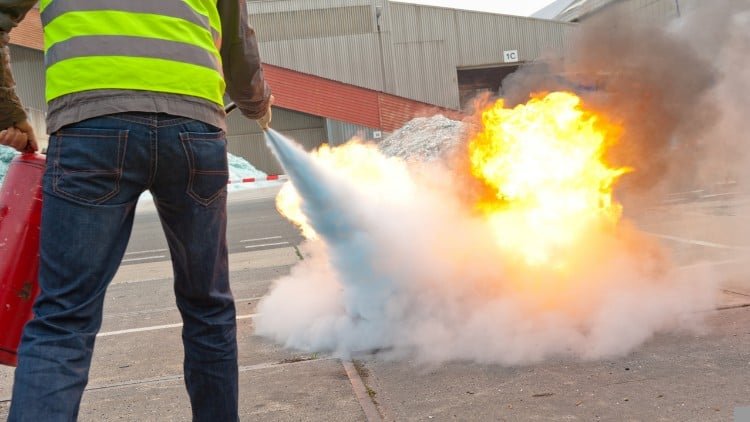
Fire Warden Training: fire prevention, healthcare evacuation, risk control, extinguishers & emergency response
What You Will Learn:
- Identify common fire hazards, ignition sources, combustible materials, and fire risks found in healthcare environments.
- Explain fire fundamentals, including the fire triangle, fire development, heat transfer, smoke, and toxic gases.
- Understand the responsibilities of a Healthcare Fire Warden and the importance of reporting and controlling fire hazards.
- Apply basic fire prevention and risk-control principles involving fire doors, escape routes, alarms, housekeeping, oxygen, and electrical equipment.
- Understand healthcare evacuation procedures, including progressive horizontal evacuation and the needs of vulnerable occupants.
- Recognise the importance of PEEPs, patient mobility needs, accountability, communication, and coordination during emergencies.
- Show more
Fire Warden Training in Healthcare: A Critical Skill for Any Care Professional
Caption: Fire Warden Training: fire prevention, healthcare evacuation, risk control, extinguishers & emergency response
Overview
As someone who’s navigated various compliance and safety training across different sectors, I’ve developed a keen eye for what works and what’s just ticking a box. Fire Warden Training in Healthcare, specifically, isn’t just another mandatory session; it’s genuinely vital. This course hits the mark by diving deep into the unique complexities of fire safety within medical facilities, where the stakes are inherently higher due to patient vulnerability and specialized equipment. It moves beyond generic fire safety protocols, focusing instead on the labyrinthine layouts, the specific hazards of oxygen lines and electrical loads, and the unparalleled challenge of evacuating individuals who may be immobile or dependent on life-support systems. If you’re looking for training that truly equips you to be a proactive force in patient safety, rather than just another name on a roster, this is it. It’s structured to take you from a basic understanding of fire dynamics straight into applying job-ready skills for critical incident management, ensuring you’re not just understanding concepts, but capable of executing them under pressure.
Prerequisites
Honestly, the formal prerequisites for this course are minimal. A basic understanding of workplace safety principles is helpful, but not strictly necessary as the course does a good job of building foundational knowledge. What you really need is a commitment to safety and a willingness to engage with potentially high-stress scenarios. It’s not a course for the faint of heart, but rather for those ready to take on significant responsibility. Ideally, participants should be working within a healthcare setting or aspiring to, as the context is highly specialized.
Skills & Tools
This course is a masterclass in critical incident preparedness. You’ll gain a robust understanding of identifying and mitigating fire risks specific to healthcare environments – looking beyond the obvious to uncover hidden dangers like compromised electrical systems or improper storage of flammables near oxygen supplies. You’ll learn about various industry-standard tools for fire suppression, from the appropriate use of different types of fire extinguishers to understanding the nuanced operation of alarm systems and emergency communication protocols. The emphasis on real-world projects (often simulated scenarios) and interactive discussions helps solidify complex evacuation strategies, particularly the critical progressive horizontal evacuation technique. More than just knowledge, you develop crucial soft skills: rapid decision-making under pressure, clear communication, and effective team coordination during an emergency. This isn’t just theory; it’s about developing practical, job-ready skills that can literally save lives.
Career Benefits & Job Roles
For anyone in healthcare, this certification isn’t just a feather in your cap; it’s a foundational element for significant career growth. It’s invaluable for nurses, doctors, healthcare assistants, administrators, facilities managers, and even security personnel. Being a certified Fire Warden demonstrates a proactive approach to safety, marking you as a responsible and highly capable employee. For those looking to move into supervisory roles or health and safety management positions within healthcare, this training is often a prerequisite and certainly a strong differentiator. It also feeds into broader compliance frameworks, making you a more valuable asset in any facility. This course provides the certification prep needed to confidently take on the responsibilities of a Healthcare Fire Warden, making you an indispensable part of your organization’s emergency response team.
Pros
- Unparalleled Healthcare Specificity: Unlike generic fire safety courses, this training acutely hones in on the unique challenges and regulations within healthcare. It meticulously details hazards from oxygen use to medical equipment, making the content incredibly relevant and actionable.
- Emphasis on Vulnerable Occupants: The detailed focus on progressive horizontal evacuation and the needs of patients with varying mobility levels and dependencies is a standout. It addresses the most critical and complex aspects of healthcare evacuation head-on, preparing you for real-life dilemmas.
- Balanced Curriculum (Prevention to Response): The course expertly blends proactive fire prevention strategies with reactive emergency response. You learn not just to put out fires but to prevent them, identify risks, and manage the immediate aftermath, including crucial communication and accountability. It truly builds skills from beginner to advanced concepts.
- Enhanced Professional Confidence: Completing this course instills profound confidence in your ability to act decisively and effectively during a fire emergency. Knowing you possess the job-ready skills to protect patients and colleagues is invaluable, reducing anxiety and improving overall facility safety culture.
Cons
- Limited Direct Physical Hands-on: While the course excels with simulated scenarios, true physical hands-on experience – like evacuating a full-sized dummy or using a live fire extinguisher – often depends on the specific provider or supplementary training. For some, the muscle memory and psychological impact gained from direct physical engagement are crucial, and this course, like many online or hybrid models, might primarily offer simulated practice.