Learn the rules, culture, and insider tips for driving safely across Europe — from a real professional truck driver
What You Will Learn:
- Understand key driving differences between the US and Europe, including roundabouts, autobahns, and manual transmissions
- Navigate toll roads, vignettes, and speed cameras without risking costly fines
- Handle real-world situations like accidents, police stops, and border crossings with confidence
- Rent a car, fuel up, and use GPS navigation like a local, based on real professional driving experience
Overview: Decoding the European Grid
As someone who spends most of my day navigating complex cloud architectures and managing agile workflows, I tend to view everything through the lens of logic and systems. When I first planned a technical consulting stint across Germany and France, I figured driving would be a “plug-and-play” situation. I was wrong. Driving in Europe isn’t just about following GPS coordinates; it’s a high-stakes real-world project that requires a complete mental reboot of your internal operating system. That’s where ‘Driving in Europe: The Complete Guide for Americans’ comes in. This isn’t your standard travelogue. It’s more like a hands-on lab taught by the ultimate subject matter expert: a professional long-haul trucker.
What struck me immediately is the instructor’s “no-fluff” approach. In the tech world, we value documentation that actually solves a problem rather than just talking around it. This course treats European road networks like a complex infrastructure. It breaks down the high-level logic of the Autobahn and the granular, often confusing “priority to the right” rules that can lead to a “system crash” (or a very expensive insurance claim) if you aren’t prepared. The insight provided here goes beyond what you’d find in a Reddit thread or a generic blog post. It’s about career growth for the modern traveler—equipping you with the job-ready skills to move through foreign environments without looking like a clueless tourist or, worse, a liability on the road.
Prerequisites: What You Need in the Repository
You don’t need a special certification to start this course, but there are a few baseline requirements. First, you need a valid US driver’s license. However, the course strongly recommends obtaining an International Driving Permit (IDP) as a secondary industry-standard tool for legal compliance. A basic understanding of physics helps when discussing manual transmissions, but even if you’ve spent your whole life on automatics, the course provides the necessary beginner to advanced guidance to get you up to speed. Most importantly, you need a mindset willing to unlearn the “lazy” driving habits common in the States—like passing on the right or treating stop signs as suggestions.
Skills & Tools: Your Tech Stack for the Road
- Legacy System Navigation: Mastering the manual transmission (stick shift) is treated here as a core competency, as automatics are often priced as premium “upgrades” in European rental fleets.
- Protocol Management: Understanding the “Right of Way” hierarchy, which functions much like network protocols, ensuring traffic flows without collisions in tight urban centers.
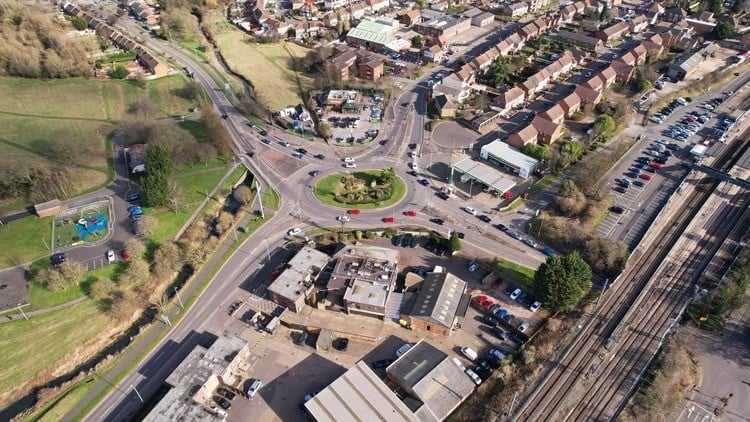
- Edge Case Handling: Learning to navigate roundabouts—from mini-circles in UK villages to the multi-lane chaos of the Arc de Triomphe—using the instructor’s “entry-exit” logic.
- Cost Optimization: Mastering industry-standard tools like vignettes (toll stickers), Telepass systems, and speed camera databases to avoid the “hidden fees” of European travel.
- Hardware Integration: Using GPS navigation and apps like Waze or Google Maps with local SIM cards to ensure 100% uptime and offline map reliability.
Career Benefits & Job Roles
While this might seem like a leisure course, it offers significant career benefits for professionals in certain niches. If you are a Field Engineer, International Sales Executive, or a Logistics Manager, being able to operate independently across European borders is a massive asset. It demonstrates professional development and the ability to handle real-world projects in diverse environments. I’ve seen colleagues get passed over for international assignments simply because they weren’t comfortable “on the ground.” Taking this course is essentially certification prep for being a functional, mobile professional in the EMEA region. It builds the job-ready skills needed to transition from a localized employee to a global asset who can navigate a complex supply chain or a cross-border site visit with total confidence.
Pros
- The Trucker’s Perspective: This is the “Senior Dev” level of driving advice. You get tips on lane discipline and speed camera locations that only someone with millions of miles under their belt would know.
- Risk Mitigation: The section on police stops and accident protocols is pure compliance training. It tells you exactly what documentation to show and how to de-escalate, saving you from legal “bugs” in the system.
- Scalable Learning: The course moves from beginner to advanced topics seamlessly, making it accessible for a weekend tourist or a long-term expat.
Cons
- Heavy Focus on Manuals: While the instructor is right that manual cars are standard, the course could use more hands-on labs or modules specifically focused on the growing EV charging infrastructure across Europe, which presents its own set of technical challenges for modern drivers.