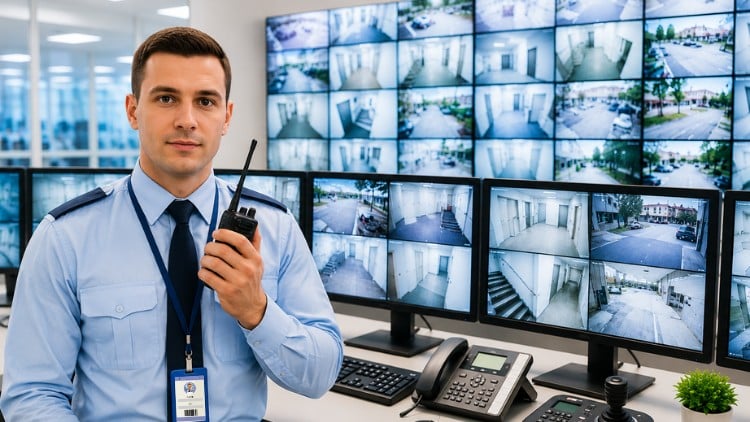
CCTV Operator Training: Surveillance Monitoring, Incident Reporting, Security Procedures & CCTV Compliance
What You Will Learn:
- Understand CCTV systems and surveillance operations.
- Monitor and respond to security incidents effectively.
- Learn CCTV privacy laws and ethical responsibilities.
- Develop professional reporting and communication skills for CCTV operations.
Overview
Look, I’ve been around the block a few times in tech, especially in the security sector, and I’ve seen my share of ‘training’ programs that promise the moon but deliver a pebble. That’s why I was genuinely impressed with the ‘CCTV Operator and Surveillance Technician Training.’ This isn’t just another walk-through of camera types and basic monitoring. No, this course takes you from understanding the fundamental architecture of modern surveillance systems right through to mastering the nuances of effective security operations. It’s designed to equip you with genuine job-ready skills, transforming you into a competent, ethical, and highly effective surveillance professional. What truly sets this apart is its laser focus on practical application, moving beyond theoretical knowledge to immerse you in scenarios that mirror real-world projects, truly preparing you for the demands of the field.
Prerequisites
Let’s talk about where you need to be to jump into this. Honestly, you don’t need to be a seasoned security veteran or an IT guru. If you’ve got basic computer literacy – you know your way around Windows, can use a web browser, and aren’t afraid of learning new software – you’re already halfway there. A keen eye for detail, a strong sense of ethics (which the course heavily reinforces), and a proactive attitude towards problem-solving are probably more important than any prior technical certifications. This program truly caters from beginner to advanced, ensuring that even newcomers can grasp complex concepts, while still offering enough depth to challenge those with some foundational knowledge. They don’t just teach you what to do, but why you’re doing it, which is crucial for genuine understanding and critical thinking in security operations.
Skills & Tools
This is where the rubber meets the road. You’re not just learning to stare at screens; you’re learning to interpret what you see, identify anomalies, and initiate appropriate responses. The course dives deep into various industry-standard tools, giving you exposure to popular Video Management Systems (VMS) like Milestone or Genetec (conceptually, if not via direct software licenses, then through robust simulations). You’ll develop sharp surveillance monitoring techniques, learn to conduct thorough incident investigations, and master the art of compiling watertight incident reports – critical for any legal follow-up. Beyond the ops side, you’ll also get a solid understanding of basic CCTV system configuration, network connectivity essentials for IP cameras, and crucial troubleshooting steps. The emphasis on hands-on labs means you’re actively engaging with simulated scenarios, not just passively absorbing information. This pragmatic approach is what builds confidence and competence in real-world environments.
Career Benefits & Job Roles
So, why put in the effort? Simple: significant career growth and enhanced employability in a vital sector. The demand for skilled, ethically sound CCTV operators and surveillance technicians isn’t going anywhere. Completing this training positions you perfectly for roles such as a dedicated CCTV Operator, a proactive Surveillance Technician, a meticulous Security Control Room Operator, or even a crucial team member in Loss Prevention within retail or corporate environments. For those looking to take it up a notch, the foundational knowledge also helps if you eventually aim for roles in security systems integration or project management. The curriculum is meticulously structured to provide robust certification prep, giving you a distinct advantage in a competitive job market. This isn’t just a course; it’s an investment in a resilient and expanding career path.
Pros
Alright, let’s lay out the good stuff:
- Unparalleled Practicality: Forget theoretical fluff. This course is packed with hands-on labs and simulated real-world projects. You’re actively engaging with scenarios, practicing incident response, and getting comfortable with what you’ll actually do on the job. It’s the fastest way to build genuine job-ready skills.
- Comprehensive & Compliance-Focused: They don’t just teach you how to operate; they instill a deep understanding of CCTV compliance, privacy laws, and ethical responsibilities. This holistic approach ensures you’re not just a button-pusher but a responsible, legally aware professional, which is huge for employers. The strong emphasis on certification prep is a massive bonus.
- Expert Instruction & Content Depth: The instructors clearly draw from extensive field experience, providing invaluable insights and practical advice that you won’t find in a textbook. The material moves seamlessly from beginner to advanced concepts, ensuring a thorough grasp of everything from basic surveillance monitoring to complex incident reporting and evidence handling.
- Immediate Career Impact: The skills you gain are directly transferable and highly sought after. This training accelerates your entry into the security sector, offering a clear pathway to career growth in various roles, utilizing industry-standard tools and best practices.
Cons
No course is perfect, and in the spirit of honesty, here’s one area where you need to be prepared:
- Demanding Pace for Depth: While it caters to beginners, the sheer volume of critical information and the depth it covers means the pace can be quite demanding. To truly maximize your learning and fully absorb the intricacies of security procedures and advanced surveillance techniques, you need to dedicate significant time outside of class for review and practice. Don’t expect to just coast through; active participation and self-study are key to mastering the material and truly developing those job-ready skills.