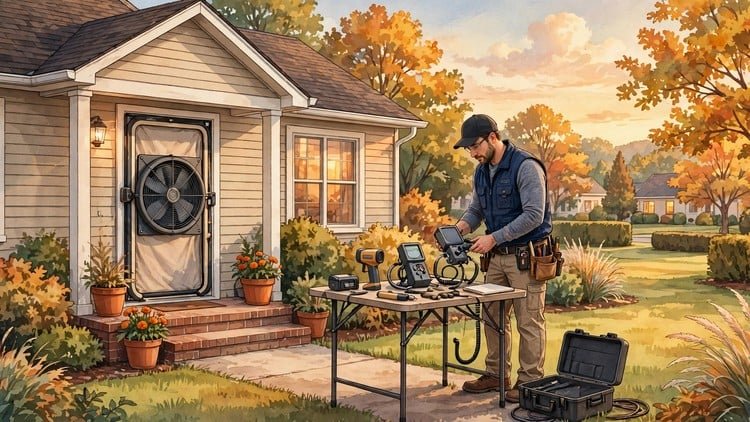
Practice for the BA-P exam with 564 multiple-choice questions, detailed explanations, and self-paced study for 2026.
What You Will Learn:
- Apply building science and envelope concepts, heat, air, and moisture flow for home audits.
- Apply combustion safety, CAZ testing, and carbon monoxide action levels for field work correctly.
- Apply blower door, duct leakage, and diagnostic testing for building performance assessment work.
- Apply air sealing, insulation, and retrofit strategies for energy improvement recommendations.
- Apply HVAC, ventilation, and indoor air quality concepts for mechanical system assessment decisions.
Overview
Alright, let’s talk about the BPI Building Analyst Professional (BA-P) Practice Tests. If you’re eyeing that coveted BA-P certification, you already know it’s not a walk in the park. This isn’t your grandma’s online quiz; it’s a robust set of 564 multiple-choice questions designed to push your understanding and readiness for the actual exam, with an eye towards the 2026 standards. What I appreciate most here is that it goes beyond just testing your memory. The detailed explanations for each answer are a game-changer, turning every incorrect response into a learning opportunity. It’s about solidifying your grasp on everything from fundamental building science and envelope concepts to the intricate dance of heat, air, and moisture flow within a home. For anyone serious about not just passing, but truly mastering the subject matter and elevating their certification prep, this is a seriously valuable resource. It helps you iron out those theoretical wrinkles before you face the real deal, ensuring you’re confident and competent.
Prerequisites
Let’s be clear: this isn’t a “beginner to advanced” course in the traditional sense. These practice tests assume you’re not starting from scratch. You should already have a foundational understanding of building science principles and ideally, some exposure to home energy auditing or performance work. Think of it as a rigorous final exam study guide, not an introductory textbook. If you haven’t taken a comprehensive BPI BA-P training course or don’t have at least some hands-on experience in the field, you might find yourself struggling to understand the context behind many questions. It’s for those looking to sharpen existing knowledge, identify specific weak spots, and fine-tune their approach to the exam, not for someone brand new to the entire industry.
Skills & Tools
This practice test bundle helps you solidify the theoretical knowledge necessary to confidently apply a range of critical skills and use industry-standard tools. You’ll reinforce your understanding of how to correctly apply combustion safety protocols, conduct precise CAZ testing, and understand critical carbon monoxide action levels for field work. It dives deep into the practical application of diagnostic tools like the blower door and duct leakage tester for comprehensive building performance assessment. Furthermore, it strengthens your decision-making abilities when recommending air sealing, insulation, and retrofit strategies for impactful energy improvements. You’ll also flex your brain around HVAC, ventilation, and indoor air quality concepts, crucial for making sound mechanical system assessment decisions. The aim here is to ensure you possess the theoretical chops for the hands-on aspects of the job, translating to real-world projects and effective client solutions.
Career Benefits & Job Roles
Earning your BPI BA-P certification is a significant step for anyone in the home performance industry, and these practice tests are a direct pathway to achieving it. This certification unlocks considerable career growth opportunities. You’ll be highly sought after for roles such as an Energy Auditor, Home Performance Contractor, or a Retrofit Project Manager. The BPI BA-P credential signifies that you possess a deep understanding of holistic building analysis, making you an authority in recommending energy efficiency upgrades and ensuring occupant health and safety. The knowledge gained, reinforced by these practice tests, directly translates into job-ready skills, empowering you to confidently tackle complex building issues and provide data-driven solutions. This credibility can lead to higher earning potential and a stronger professional standing in a rapidly evolving industry.
Pros
- Comprehensive Question Bank: With 564 questions, this isn’t some flimsy online quiz. It provides extensive coverage of all BA-P domains, ensuring you hit every potential exam topic multiple times. This is thorough certification prep at its best.
- In-Depth Explanations: Each question comes with a detailed explanation for the correct answer. This is crucial for true learning; it’s not just about getting it right or wrong, but understanding the underlying building science principles and practical implications.
- Self-Paced & Flexible Study: You can tackle these questions on your own schedule, revisiting topics as needed. This flexibility allows you to integrate your exam prep seamlessly into your existing work or personal commitments, perfect for busy professionals.
- Identifies Knowledge Gaps: The sheer volume and variety of questions are excellent for pinpointing exactly where your understanding is weak. This allows you to focus your subsequent study efforts efficiently, turning those weak spots into strengths and building confidence for real-world projects.
Cons
- Lacks Hands-On Simulation: While excellent for theoretical knowledge, these practice tests inherently cannot replicate the practical, hands-on labs required for true field competency. You’ll still need actual experience with industry-standard tools like blower doors and combustion analyzers, and engaging in real-world projects, to fully develop the practical skills that complement the theoretical understanding tested here. It’s a fantastic mental workout, but it’s not a substitute for getting your hands dirty.