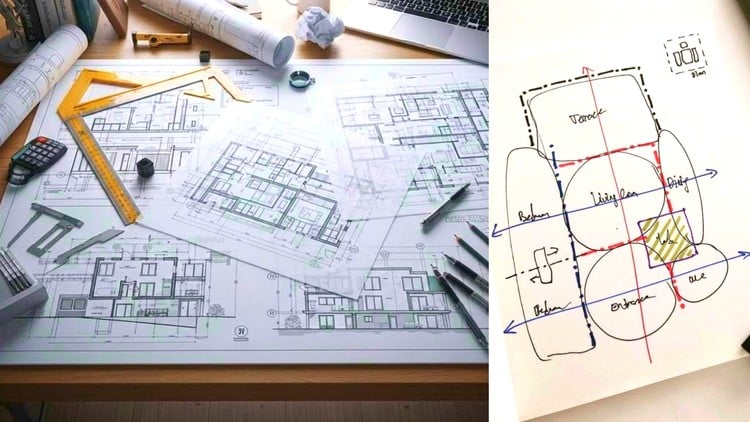
Learn design principles, space planning, form, function, and the creative process to develop better architectural design
What You Will Learn:
- Understand the fundamentals of architectural design and the role of design in architecture.
- Understand space and spatial relationships and how people experience architectural spaces.
- Learn the basic principles of architectural design and how they influence design decisions
- Understand form and shape and their relationship to architectural space.
- Learn how function and user needs influence basic architectural planning.
- Understand the role of light, color, and texture in creating architectural experiences.
- Show more
Course Review: ‘Architectural Design Fundamentals: A Beginner’s Guide’
Caption: Learn design principles, space planning, form, function, and the creative process to develop better architectural design | Topics: Understand the fundamentals of architectural design and the role of design in architecture. Understand space and spatial relationships and how people experience architectural spaces. Learn the basic principles of architectural design and how they influence design decisions Understand form and shape and their relationship to architectural space. Learn how function and user needs influence basic architectural planning. Understand the role of light, color, and texture in creating architectural experiences.
Having navigated my share of complex systems and design challenges in the tech world, I’ve always held a deep appreciation for good architecture. It’s a field where form meets function in the most profound ways, shaping human experience. So, when ‘Architectural Design Fundamentals: A Beginner’s Guide’ popped up, I was genuinely curious. Could a course truly distil the essence of architectural thinking for a complete novice? After diving in, I can confidently say this course does an admirable job of laying down a robust mental framework, which, frankly, is invaluable whether you’re eyeing a full career switch or just trying to understand why some buildings feel “right” and others don’t.
Overview
This course isn’t about teaching you how to use AutoCAD or SketchUp, nor is it a deep dive into structural engineering. Instead, it’s a masterclass in developing your ‘designer’s eye’ and understanding the invisible forces and fundamental considerations that dictate the built environment. It meticulously unpacks the *thought process* behind architectural design, moving beyond mere aesthetics to explore how spaces are perceived, how form communicates, and how human needs translate into tangible structures. For anyone looking to understand the bedrock concepts that drive professional architects – from initial conceptualization to the subtle nuances of material and light – this is a brilliant starting point. It’s less about the specific output and more about cultivating a sophisticated way of thinking about design problems, making it an excellent foundation for future career growth in various design disciplines.
Prerequisites
Here’s the beauty of this course: it genuinely requires zero prior architectural design experience. If you have an interest in buildings, spaces, and how people interact with them, you’re already overqualified. Basic computer literacy is assumed, as is an eagerness to learn and perhaps do a bit of sketching, but that’s about it. It’s perfectly pitched for the absolute beginner, or someone like myself who wants to formalize a latent interest with structured learning without feeling overwhelmed by jargon or complex software from day one.
Skills & Tools
Upon completion, you won’t be a licensed architect, but you’ll certainly gain an arsenal of critical conceptual skills. You’ll develop a keen understanding of spatial relationships, learn to articulate design intentions, and begin to “read” buildings with a more informed perspective. While it’s not heavily focused on industry-standard tools in a software sense, it implicitly teaches you the foundational thinking that underpins their effective use. Expect to engage with traditional tools like sketching for ideation and basic diagramming to communicate your evolving designs. The emphasis is squarely on developing your critical design thinking and visual communication abilities, which are arguably more important than tool proficiency in the early stages of learning. These are true job-ready skills in the sense that they equip you with a fundamental language for design.
Career Benefits & Job Roles
While this course alone isn’t going to land you a senior architect role, it’s an incredibly potent launchpad. For those considering architecture, interior design, urban planning, or even exhibition design, it offers invaluable certification prep for subsequent, more advanced studies. It provides the crucial conceptual framework necessary to understand higher-level design principles. You’ll gain a competitive edge in entry-level support roles within design firms, or if you’re venturing into fields like real estate, construction management, or even game design (think environmental storytelling), the insights into space and user experience are profoundly relevant. It’s foundational knowledge that supports substantial career growth into many creative and built-environment professions, moving you from beginner to advanced in your understanding of design principles.
Pros
- Demystifies Complex Concepts: The course excels at breaking down intricate architectural theories into easily digestible modules, making abstract ideas like “form follows function” or “spatial hierarchy” incredibly clear and practical.
- Strong Conceptual Foundation: Unlike courses that jump straight into software, this one builds a robust intellectual framework, ensuring you understand *why* certain design decisions are made before you even think about *how* to execute them.
- Fosters Design Thinking: It’s not just about memorizing principles; it actively encourages a problem-solving approach to design challenges, which is a transferable skill valuable across many industries.
- Engaging Content Delivery: The material is presented in a way that keeps you engaged, often using real-world examples to illustrate points, making the learning experience both informative and inspiring.
Cons
- Limited Hands-On Software Experience: For those hoping to emerge with proficiency in specific industry-standard tools or ready to tackle complex real-world projects with CAD, this course will feel a bit light. It prioritizes conceptual understanding over software mastery, meaning subsequent courses or hands-on labs will be necessary to build practical execution skills.