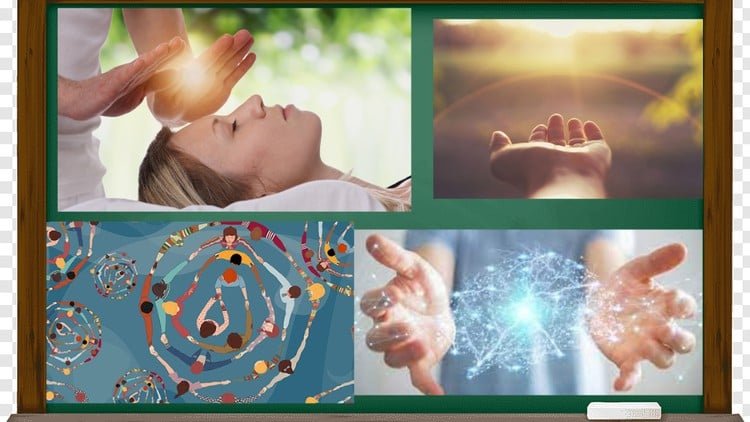
Healing in All Aspects University Diploma Preparation and Foundation Courses
What You Will Learn:
- In this course, you will learn the concept of healing.
- In this course you will learn how to act experientially.
- These lessons will teach you practical applications of the course content.
- Lessons will help you imprint the right references into your brain for any situation you will encounter in daily life.
Alright, let’s talk about this ‘All-round Healing University Approved Certificate Course’. As someone who’s spent years navigating the sometimes-brutal landscape of tech, I’m always a bit skeptical when something promises “healing in all aspects.” But hey, I’m also a firm believer in continuous learning and acquiring new skill sets, so I dove in with an open mind. This isn’t your typical certification prep course for a specific tech stack, but rather something quite different.
Overview
This program bills itself as a “University Diploma Preparation and Foundation Course,” which immediately sets expectations. It’s not about getting you certified in, say, cloud computing or cybersecurity, but about building a foundational understanding of what “healing” truly means. The emphasis is on a holistic approach, moving beyond just physical remedies to encompass mental, emotional, and even spiritual well-being. What struck me initially was the focus on experiential learning. They’re not just lecturing you on theories; they’re pushing you to actively engage with the concepts and integrate them into your daily life. Think of it as applying practical, real-world projects to personal development, but framed within a structured learning environment. The goal is to equip you with practical applications that you can immediately deploy, imprinting these principles so they become second nature when you face challenges.
Prerequisites
Honestly, the prerequisites are refreshingly minimal. You don’t need a degree in advanced physics or a PhD in psychology. What they’re really looking for is an open mind, a willingness to learn, and a genuine curiosity about personal growth. If you’re coming from a highly analytical background like mine, you might find the initial dive into less tangible concepts a bit of a departure. But if you’ve ever felt like you’re hitting a wall, personally or professionally, and you’re ready to explore different avenues, then you’re probably a good fit.
Skills & Tools
This is where things get interesting. Forget about industry-standard tools like Docker, Kubernetes, or VS Code. The “tools” here are more internal. You’ll be developing skills in:
- Mindfulness and self-awareness techniques
- Emotional regulation strategies
- Developing empathy and compassionate communication
- Understanding foundational concepts of energy and well-being
- Practical application exercises for daily challenges
It’s about building your own internal toolkit, which is quite the shift from my usual tech-centric skill acquisition. There are no hands-on labs in the traditional sense, but the “experiential” learning component serves a similar purpose, prompting active participation and integration.
Career Benefits & Job Roles
This is the trickiest part for someone in the tech industry. This course isn’t going to directly land you a job as a Senior Software Engineer or a Network Administrator. However, the career growth potential is more nuanced. For us in high-stress fields, developing robust coping mechanisms and a stronger sense of well-being can lead to increased resilience, better decision-making under pressure, and improved interpersonal relationships with colleagues and clients. It can indirectly enhance your effectiveness and leadership potential. While it won’t directly qualify you for specific job roles like “Certified Wellness Coach,” it could complement existing professions by adding a layer of emotional intelligence and leadership capacity. Think of it as a personal optimization module that benefits your overall professional performance.
Pros
- Holistic Approach: It genuinely addresses healing across multiple dimensions, which is often overlooked in specialized training.
- Experiential Learning Focus: The emphasis on practical application makes the concepts stick, moving beyond theoretical knowledge.
- Broad Applicability: The skills learned are transferable to virtually every aspect of life, personal and professional.
- Foundational for Further Study: It lays excellent groundwork if you decide to delve deeper into more specific wellness or therapeutic modalities.
Cons
My main honest critique, coming from a tech background, is that the beginner to advanced progression isn’t as clearly defined as in a typical technical certification. While there’s certainly depth, the path from ‘beginner’ to mastery of these more intangible skills can feel less structured and harder to measure objectively. It requires significant self-discipline to gauge your own progress.