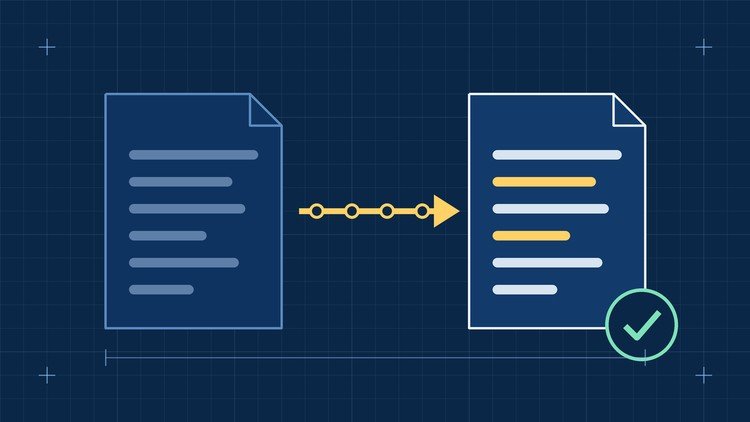
Move a certified ISO 9001:2015 quality system to the 2026 edition: verified changes, gap analysis, transition audit
What You Will Learn:
- Explain what changed between ISO 9001:2015 and ISO 9001:2026, clause by clause
- Separate real 2026 requirements from myths that circulated before publication
- Read the new documented information wording and the rewritten Annex A correctly
- Apply the new subclauses on risks (6.1.2) and opportunities (6.1.3)
- Update planning of changes, the audit programme and management review inputs
- Run a clause-by-clause gap analysis and record the results in a gap register
- Decide which documents to update and which to leave as they are
- Prepare evidence for the transition audit and plan the first 90 days
Overview: Cutting Through the Noise of the 2026 Update
I’ve spent the better part of my career swimming through ISO clauses and Quality Management Systems (QMS), and if there’s one thing I’ve learned, it’s that a “minor update” is never actually minor. When I first heard about the ISO 9001:2026 Transition course, I was skeptical. I’ve seen enough “expert” webinars that are just glorified PowerPoint readings. However, this course actually delivers a no-nonsense look at how the 2026 edition fundamentally shifts the way we handle certification prep and operational compliance.
The real value here isn’t just in the clause-by-clause breakdown—though that’s solid—it’s in the way it handles the “noise.” Before publication, the rumor mill was churning out nonsense about what the 2026 edition would require. This course acts as a filter, separating the actual verified changes from the industry myths. What I appreciated most was the deep dive into the rewritten Annex A. It’s not just academic; it’s a real-world project approach to understanding how the high-level structure has evolved. Instead of just telling you “things changed,” the instructor shows you how the new documented information wording affects your existing stash of SOPs and records. It’s the difference between guessing and having job-ready skills on day one of your transition audit.
Prerequisites
While the course advertises itself as scaling from beginner to advanced, let’s be honest: you need to know your way around the 2015 standard to get the most out of this. You don’t need to be a Master Black Belt, but if you don’t know what a non-conformity is, you’re going to struggle. It’s ideally suited for Quality Managers, internal auditors, or consultants who are currently maintaining a 2015 system and need to pivot without breaking the bank or the workflow. Having a copy of the draft or final standard handy during the hands-on labs is a must.
Skills & Tools You’ll Master
This isn’t just theory; it’s a toolkit for career growth. You’ll get your hands dirty with industry-standard tools for gap analysis. Specifically, you’ll learn how to build a gap register that actually means something to an auditor. We also spend a significant amount of time on the new subclauses—6.1.2 (Risks) and 6.1.3 (Opportunities). These aren’t just subtle tweaks; they require a more granular approach to planning than we saw in the 2015 version. You’ll leave with the ability to rewrite your audit programme and management review inputs so they don’t just tick a box but actually drive performance.
Career Benefits & Job Roles
In the current market, staying stagnant is a career killer. Being the person who can lead a certification prep project for the 2026 edition makes you indispensable. This course targets roles like Quality Management Representative (QMR), Compliance Officer, and Lead Auditor. If you’re a freelancer, being able to offer a 90-day transition roadmap is a high-ticket service. It’s about building job-ready skills that prove you can handle the pressure of an external transition audit without breaking a sweat. It moves you from a “maintainer” to a “strategist.”
Pros
- Myth Busting: The course is excellent at clearing the air. It tells you exactly what didn’t change, saving you hours of unnecessary document updates.
- Practical Gap Analysis: The clause-by-clause gap register exercise is worth the price of admission alone. It’s a real-world project you can take back to your office and start using immediately.
- The 90-Day Roadmap: I loved the focus on the “first 90 days.” It gives you a tactical timeline for evidence gathering, which is usually where most QMS transitions fall apart.
- Focus on 6.1.2 and 6.1.3: These new subclauses are the “teeth” of the 2026 update. The course breaks them down into actionable steps rather than vague concepts.
Cons
- Heavy on Documentation: While the course is great, it can feel a bit “paperwork-heavy” at times. I would have liked to see more on the “soft skills” of convincing upper management that these changes actually matter for the bottom line, not just for the certification prep certificate on the wall.