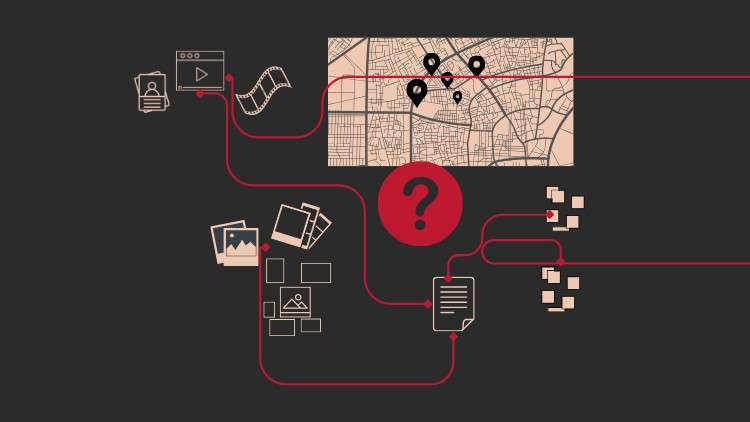
Unlocking the Power of Open-Source Intelligence: A Comprehensive Beginner’s Journey into Digital Sleuthing.
What you will learn
A good understanding of basic concepts of OSINT
Will be able to setup your own virtual environment
Will be able to use various OSINT tools.
Will be able to use some OSINT techniques in everyday life
Description
In this digital age, information is everywhere. Whether it’s finding information about a new job opportunity, learning more about a potential date, investigating a business competitor, or even just ensuring your own digital privacy, there’s a growing need for effective Open-Source Intelligence, or OSINT, skills.
OSINT isn’t just a skill; it’s a superpower in today’s information-driven world. It empowers you to access publicly available data sources and transform them into valuable insights. With OSINT, you can gather data from social media, websites, forums, and more, all while staying within legal and ethical boundaries.
This course is designed with beginners in mind. Whether you’re a curious individual, a student, a professional, or someone just looking to enhance their digital prowess, ‘A Beginner’s Guide to OSINT’ will equip you with the fundamental knowledge and hands-on skills you need to start your OSINT journey.
By enrolling in this course, you’ll gain the ability to:
- Uncover hidden information online efficiently.
- Protect your digital privacy and security.
- Enhance your personal and professional research skills.
- Make informed decisions based on credible data.
- Boost your career prospects by adding valuable skills to your toolbox.
So, are you ready to unlock the world of Open-Source Intelligence? Join me in this exciting journey by enrolling in ‘A Beginner’s Guide to OSINT’ today. Don’t miss out on acquiring this invaluable skillset that can open doors to endless opportunities in the digital realm.
Content
- Course Overview
- Foundations of Digital Investigation: This course introduces the core methodologies of Open-Source Intelligence (OSINT), teaching students how to transform raw, publicly available data into actionable intelligence. You will move beyond basic searching to understand the lifecycle of an investigation.
- The Intelligence Cycle: Learn the professional workflow utilized by intelligence officers, involving the systematic planning, collection, processing, and analysis of information to solve complex real-world puzzles.
- Ethical and Legal Frameworks: Navigate the boundaries of digital privacy and law. This section emphasizes the importance of conducting investigations ethically, ensuring all data collection remains within the bounds of international regulations and “terms of service” agreements.
- Passive vs. Active Reconnaissance: Understand the critical distinction between observing digital footprints from a distance and interacting with targets, focusing primarily on low-risk, non-intrusive gathering techniques.
- Requirements / Prerequisites
- Standard Computing Literacy: A fundamental comfort with using web browsers, managing folders, and navigating different operating systems is the only technical baseline required.
- Investigative Curiosity: A successful student must possess a natural desire to “dig deeper” and the patience required to follow digital trails that may initially seem like dead ends.
- Stable Connectivity: Access to a reliable, high-speed internet connection is essential for accessing the various cloud-based tools and expansive databases discussed in the lessons.
- Virtual Environment Readiness: While not mandatory, a basic understanding of how to use a Virtual Private Network (VPN) or a dedicated browser profile is recommended for maintaining personal anonymity during research.
- Skills Covered / Tools Used
- Advanced Search Engine Dorking: Master the use of complex operators and “dorks” on Google, Bing, and DuckDuckGo to uncover hidden documents, unprotected directories, and specific file types that are invisible to the average user.
- Infrastructure and Domain Mapping: Utilize tools like WhoisXML and ViewDNS to uncover the history behind websites, identifying owners, server locations, and connected digital assets.
- Social Media Intelligence (SOCMINT): Explore specialized platforms and scripts designed to map social connections and track public activity across major networks without needing direct access to private accounts.
- Geospatial Analysis: Learn to identify physical locations based on visual clues in photographs using tools like Google Earth Pro, PeakVisor, and satellite imagery repositories.
- Automated Collection Tools: Get hands-on experience with framework tools such as theHarvester and SpiderFoot to automate the gathering of emails, subdomains, and IP addresses.
- Benefits / Outcomes
- Professional Career Advancement: Gain a competitive edge in sectors such as cybersecurity, private investigation, risk management, investigative journalism, and law enforcement.
- Enhanced Personal Privacy: By learning how others can find your data, you will gain the knowledge necessary to scrub your own digital footprint and protect your family from online exposure.
- Critical Verification Skills: Develop the ability to combat “fake news” and misinformation by learning how to verify the authenticity of images, videos, and social media claims through cross-referencing.
- Increased Research Efficiency: Drastically reduce the time spent on any research project by applying structured OSINT techniques to find exact information faster than traditional methods.
- PROS
- Universal Applicability: The skills taught are not limited to tech jobs; they are valuable for HR professionals, lawyers, and academic researchers alike.
- Zero-Cost Tooling: The course focuses almost exclusively on free and open-source tools, meaning there are no expensive software subscriptions required to start your career.
- Structured Learning Path: Converts a chaotic and overwhelming subject into a clear, step-by-step process that anyone can follow regardless of their technical background.
- CONS
- Volatility of Resources: Due to the ever-changing nature of the internet, some specific third-party tools or platform APIs may become deprecated or change their access policies frequently, requiring students to stay updated beyond the course material.