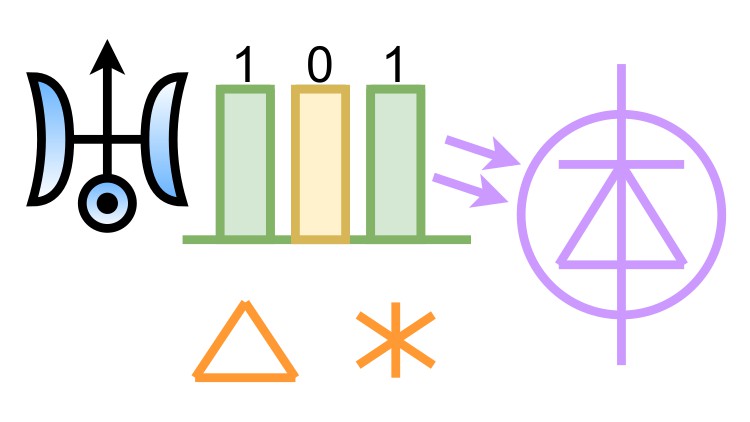
STM32, Embedded C, ARM Cortex-M4, GPIO, EXTI, Timers, RCC, NVIC, Makefile, STM32F4Discovery, NEC protocol, Interrupts
Why take this course?
🎉 Dive into the World of Embedded Systems with STM32 & NEC Protocol! 🛠️
områд просторі між програмним забезпеченням та апаратними ресурсами відкривається перед вами на курсі “STM32 Interrupt-Driven NEC Decoder”. Цей курс створений з метою поєднати практичні знання в областях ембіджедед систем і введеного програмування STM32 мікроконтролерів.
Course Highlights:
- Complete NEC Protocol Breakdown: Master the NEC protocol and understand how it is used to communicate with infrared remote controls.
- STM32 Microcontroller Mastery: Dive deep into the features of STM32F4Discovery board, learning about GPIO, EXTI, timers, RCC, NVIC, and more.
- Hands-On Learning: Follow a real-world project to create an interrupt-driven NEC decoder on the STM32 microcontroller.
- Essential Tools Setup: Learn how to set up your development environment with the GNU ARM toolchain and ST-LINK programmer.
- In-Depth Peripheral Exploration: Discover the inner workings of critical peripherals and their registers, including GPIO, RCC, timers, external interrupts, and the NVIC.
Курс складається з наступних ключових моментів:
📚 Introduction to STM32F4Discovery & Development Environment Setup:
- Installation of GNU ARM toolchain and ST-LINK programmer.
- Overview of the STM32F4Discovery board capabilities and connections.
🚀 NEC Protocol Explained:
- Learn how the NEC protocol works and what makes it unique among infrared communication protocols.
- Understand the signal structure of a typical NEC remote control.
🛠️ Essential Peripherals Configuration:
- Detailed explanation of GPIO, reset and clock control, external interrupts, timers, and the NVIC configuration.
- Step-by-step guidance on configuring these peripherals for the NEC protocol decoder application.
🔧 Programming with Embedded C & Makefile:
- Master the Embedded C language as you write code for the STM32 microcontroller.
- Learn how to create and use a Makefile for compiling your projects.
🔬 Real-World Application: Decoding NEC Protocol with STM32:
- Implement the NEC protocol decoder on the STM32F4Discovery board.
- Test and validate the functionality of your design with real infrared remote controls.
By completing this course, you will:
✅ Understand the complete workflow of an embedded systems project: from setting up your development environment to deploying your application on hardware.
✅ Gain hands-on experience with STM32 microcontrollers, especially the STM32F4Discovery board.
✅ Learn how to decode the NEC protocol using interrupt-driven programming techniques.
✅ Develop a solid foundation in embedded C programming and using Makefiles for project compilation.
✅ Acquire knowledge of ARM Cortex-M4 architecture as it relates to GPIO, EXTI, timers, RCC, and NVIC.
Join us on this journey to unlock the potential of embedded systems with STM32 technology and the NEC protocol! 👨💻✨
The Raw Reality of Low-Level Coding: My Take on the NEC Decoder Course
Let’s be honest: in the current landscape of Embedded Systems development, there is a massive temptation to just “click and pray.” With tools like STM32CubeMX generating thousands of lines of abstraction for you, it is easy to feel like a professional engineer without actually understanding how the ARM Cortex-M4 architecture breathes. I recently finished the ‘STM32 Bare-Metal Interrupt Programming: IR NEC Decoder’ course, and if you are tired of being a “library wrapper” and want to actually own the silicon, this is the deep dive you’ve been looking for.
This isn’t your typical “Hello World” blinking LED tutorial. The course focuses on one of the most satisfying “Aha!” moments in hardware: decoding an Infrared signal using the NEC protocol. While it sounds niche, it is actually a brilliant vehicle for teaching the meat and potatoes of Bare-Metal development. You aren’t just toggling bits; you are managing timing interval measurements, handling high-frequency signals, and mastering the Nested Vectored Interrupt Controller (NVIC). It’s about learning to write job-ready skills into your DNA by ignoring the safety nets of the HAL (Hardware Abstraction Layer).
Prerequisites for the Deep End
Before you jump into these hands-on labs, don’t expect a “C for Beginners” lecture. To get the most out of this, you need a solid grasp of Embedded C. I’m talking about being comfortable with pointers, volatile keywords, and, most importantly, bitwise operations. If you don’t know the difference between a bitwise AND and an OR, or why you’d use a left-shift to access a specific register, spend a weekend on that first. You should also have a basic understanding of how a microcontroller functions at a high level. Having an STM32F4Discovery board or a similar STM32 MCU is essential because the tactile feedback of seeing a real remote control trigger a logic change is what makes the real-world projects in this course stick.
Mastering the Industry-Standard Tools
One of my favorite aspects of this course is the refusal to hide behind proprietary IDE magic. We are talking industry-standard tools. You’ll be working with Makefiles and ARM-GCC, which is exactly what top-tier firms expect from a senior-level engineer. Here is a breakdown of what you will be getting your hands dirty with:
- Reset and Clock Control (RCC): Learning how to manually enable peripheral clocks—forgetting this is the #1 reason beginners fail.
- General Purpose Input/Output (GPIO): Configuring registers for alternate functions to capture IR pulses.
- External Interrupts (EXTI): Setting up triggers on falling and rising edges to capture the start and stop of NEC frames.
- Timers/Counters: Using 16-bit and 32-bit timers to measure the exact microsecond duration of pulses.
- Register-Level Debugging: Inspecting memory addresses to see why your Interrupt Service Routine (ISR) isn’t firing.
Career Growth and Job Roles
If you are looking for career growth in 2024, specialized knowledge is your currency. Generic software developers are a dime a dozen, but engineers who understand interrupt latency and bare-metal optimization are rare. Completing a project like this is excellent certification prep for technical interviews at companies working on automotive systems, IoT gateways, or consumer electronics.
The skills learned here apply directly to roles such as Firmware Engineer, Embedded Software Architect, and Validation Engineer. When an interviewer asks, “How do you handle a high-priority signal without blocking the main loop?”, you won’t just give a theoretical answer. You’ll talk about the NVIC priority grouping and EXTI configuration you implemented in your IR NEC Decoder. That is the difference between a junior and a beginner to advanced transition that actually pays off.
The Pros: Why This Course Hits Different
- No Black Boxes: By avoiding the HAL, you finally understand the “why” behind the code. This builds job-ready skills that are portable across different MCU vendors, not just ST.
- Logical Progression: The way it builds from simple GPIO to complex Interrupt synchronization is methodical. It never feels like a leap; it feels like an evolution.
- Focus on Timing: The NEC protocol is unforgiving. This course teaches you the discipline of precise timing, which is the cornerstone of Embedded Systems.
- Professional Workflow: Using Makefiles and command-line tools prepares you for the DevOps side of firmware development, which is often ignored in cheaper tutorials.
The Cons: An Honest Critique
The only real “con” is the steepness of the initial curve. If you are looking for a quick win where you copy-paste code and it “just works,” this will frustrate you. The Bare-Metal approach means that if you miss a single bit in the RCC configuration, your entire project stays dead. It requires a level of patience and manual reading (the Reference Manual will become your best friend) that might be off-putting for those used to the “Arduino style” of rapid prototyping.
Final Verdict: If you want to move from “tinkerer” to a professional who can build real-world projects from the ground up, this course is an essential investment in your career growth.