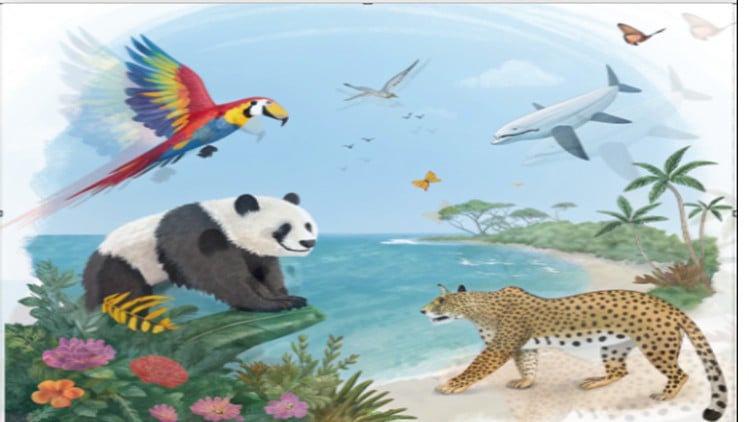
Explore the Diversity, Adaptations, and Future of Animal Life
⏱️ Length: 1.1 total hours
⭐ 4.50/5 rating
👥 35 students
🔄 October 2025 update
Add-On Information:
Note➛ Make sure your 𝐔𝐝𝐞𝐦𝐲 cart has only this course you're going to enroll it now, Remove all other courses from the 𝐔𝐝𝐞𝐦𝐲 cart before Enrolling!
- Course Overview
- Dive into the intricate world of animal life, moving beyond simple classification to appreciate the astounding variety of species across all ecosystems. This module emphasizes the vast spectrum of morphological and physiological adaptations that enable animals to thrive in diverse environments, from the deepest oceans to the highest mountain peaks.
- Explore the fascinating science of ethology, dissecting the complex behavioral patterns animals exhibit. Understand concepts such as communication strategies, mating rituals, social hierarchies, migratory instincts, and predator-prey dynamics that shape the daily lives of countless creatures.
- Unpack the foundational principles of comparative anatomy and physiology, examining how different animal groups have evolved unique organ systems – including nervous, circulatory, digestive, and reproductive systems – to support their specific lifestyles and ecological niches.
- Gain insights into the ecological roles animals play within their respective habitats. Learn about intricate food webs, nutrient cycling, ecosystem engineering, and the critical importance of biodiversity for ecosystem stability and resilience across biomes.
- Investigate the urgent challenges facing global wildlife populations today, delving into the multifaceted threats such as habitat destruction, climate change, pollution, and unsustainable resource exploitation. This includes exploring various scales of impact, from local species decline to global biodiversity crises.
- Discover cutting-edge conservation biology techniques and strategies being employed worldwide. This encompasses understanding the role of protected areas, wildlife corridors, species reintroduction programs, genetic conservation efforts, and the application of modern technologies like bio-logging and remote sensing in monitoring animal populations.
- Examine the processes of macroevolution and microevolution, understanding how new species arise, adapt to changing conditions, and the historical context of major evolutionary innovations and extinction events that have shaped life on Earth over geological timescales.
- Develop a holistic perspective on humanity’s interconnectedness with the animal kingdom, recognizing the intrinsic value of every species and our ethical responsibilities towards wildlife stewardship and environmental sustainability.
- Requirements / Prerequisites
- Genuine Curiosity: A keen interest in animals, nature, and the natural sciences is the primary prerequisite. This course is designed to spark and nourish a lifelong fascination with the living world.
- No Formal Scientific Background: This introductory course assumes no prior expertise in biology or zoology, making it accessible to learners from all educational backgrounds.
- Basic Digital Literacy: Familiarity with navigating online learning platforms, streaming video content, and basic internet usage is helpful, as the course is delivered digitally.
- Open-Mindedness: A willingness to engage with scientific concepts, critical thinking, and potentially challenging topics related to environmental ethics and conservation efforts.
- Time Commitment: Although a concise course, an ability to dedicate the necessary focus and attention to absorb the presented information within the specified duration.
- Skills Covered / Tools Used
- Biological Literacy: Enhance your understanding of fundamental biological concepts and expand your scientific vocabulary related to animal life, ecology, and evolution.
- Scientific Observation: Develop a more discerning eye for observing animal behaviors, morphological features, and ecological interactions in both natural settings and media.
- Ecological Awareness: Cultivate an informed perspective on ecosystem dynamics, interspecies relationships, and the delicate balance required for environmental health.
- Critical Thinking: Hone your ability to analyze complex environmental issues, evaluate conservation strategies, and understand the scientific reasoning behind biological phenomena.
- Environmental Advocacy: Gain foundational knowledge that empowers you to articulate the importance of wildlife conservation and engage in informed discussions about global ecological challenges.
- Conceptual Understanding of Research: While not hands-on, you will be introduced to the conceptual frameworks and methods zoologists use to study animals, from behavioral observation to genetic analysis.
- Digital Learning Platform: Experience navigating and utilizing a modern online educational interface for video lectures, supplementary materials, and interactive learning elements.
- Benefits / Outcomes
- Enriched Worldview: Develop a deeper appreciation for the incredible diversity, complexity, and interconnectedness of life on Earth, fostering a sense of wonder and respect for the natural world.
- Foundational Knowledge: Establish a solid introductory understanding of zoological principles that can serve as a springboard for further academic pursuits in biology, ecology, veterinary science, or environmental studies.
- Informed Citizenry: Become a more knowledgeable and engaged global citizen, equipped to understand and discuss pressing environmental issues, contributing positively to conservation efforts.
- Career Inspiration: Potentially ignite or reinforce an interest in career paths related to wildlife biology, animal care, conservation education, environmental policy, or research.
- Personal Enrichment: Satisfy intellectual curiosity and gain a valuable set of insights into the animal kingdom that can enhance hobbies, travel experiences, and everyday observations of nature.
- Communication Enhancement: Improve your ability to articulate and discuss complex biological and environmental topics with clarity and confidence.
- PROS of this Course
- High Quality Content: Evidenced by a strong 4.50/5 rating, ensuring a valuable learning experience for students.
- Timely and Relevant: Updated in October 2025, guaranteeing the most current information on animal biology and pressing conservation issues.
- Accessible Introduction: Offers a concise yet comprehensive overview, perfect for beginners or those seeking a quick refresh on core zoological concepts.
- Focus on Conservation: Directly addresses critical real-world challenges, fostering environmental awareness and promoting actionable understanding.
- Expertly Curated: Presents complex topics in an engaging and easy-to-understand format suitable for a broad audience.
- Inspiring and Engaging: The subject matter itself, focusing on animal life, is inherently captivating and fosters a sense of wonder.
- CONS of this Course
- Limited Depth: Due to its short duration (1.1 total hours), the course provides an overview rather than in-depth, specialized knowledge, which might require further study for advanced learners.
Learning Tracks: English,Teaching & Academics,Other Teaching & Academics
Found It Free? Share It Fast!