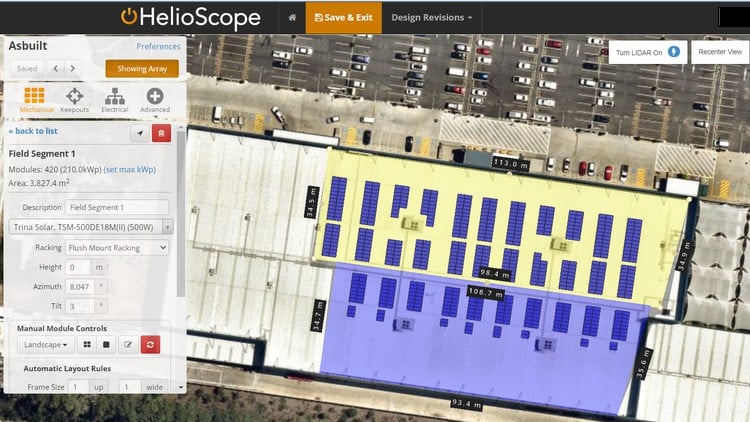
HelioScope, Solar PV Design. Optimization and performance modeling for residential and commercial solar systems.
⏱️ Length: 1.6 total hours
👥 58 students
🔄 February 2026 update
Add-On Information:
Note➛ Make sure your 𝐔𝐝𝐞𝐦𝐲 cart has only this course you're going to enroll it now, Remove all other courses from the 𝐔𝐝𝐞𝐦𝐲 cart before Enrolling!
-
Course Overview
- Dive deep into solar PV system design using Helioscope, the industry-leading software for performance modeling and optimization.
- This course guides you through designing robust and efficient photovoltaic systems for both residential and commercial applications.
- Leverage Helioscope’s powerful simulation engine for accurate energy output predictions, intricate shading analyses, and system layout optimization.
- Beyond basic design, the curriculum emphasizes advanced techniques for system optimization, ensuring projects are functional, highly performant, and economically viable.
- Gain expertise to confidently navigate complex design challenges, from initial site assessment to final performance validation.
- Structured for high-impact learning within a concise 1.6-hour timeframe, ideal for professionals seeking to quickly upskill in solar PV design.
- Refreshed with a February 2026 update, content remains cutting-edge, reflecting current features and best practices within the Helioscope platform.
-
Requirements / Prerequisites
- A foundational understanding of basic solar PV concepts (panel function, system components, solar energy principles) will significantly enhance your learning.
- Familiarity with computer software or technical design interfaces is beneficial, though the course provides thorough guidance on Helioscope’s UI.
- Access to the Helioscope software (trial or license) is essential, as the course is intensely practical and relies on active engagement with the platform.
- A stable internet connection and a computer capable of running Helioscope smoothly are necessary.
- A strong desire to master an industry-standard solar design tool and optimize system performance is the most crucial prerequisite.
-
Skills Covered / Tools Used
- Helioscope Interface Mastery: Navigate the complete Helioscope environment, from project creation to report generation.
- Accurate Site Modeling: Import imagery, define perimeters, and create precise 3D terrain models for diverse project sites.
- Advanced Shading Analysis: Conduct comprehensive shadow assessments, understand their impact, and mitigate losses.
- PV Module Layout Optimization: Efficiently place and orient panels, considering roof constraints, spacing, and aesthetics for residential and commercial scales.
- Inverter Selection and Stringing: Properly size, select inverters, and design optimal string configurations for system efficiency.
- Energy Production Simulation: Utilize Helioscope’s advanced algorithms for accurate annual and monthly energy yield predictions.
- Performance Ratio (PR) Interpretation: Understand and optimize key performance indicators.
- Error Detection & Validation: Identify and resolve common design errors, ensuring compliance through design constraints.
- Professional Report Generation: Create detailed, client-ready reports encompassing layouts, energy estimates, and specifications.
- Iterative Design Optimization: Systematically refine designs, comparing scenarios for the best performance-to-cost ratio.
- Tools Used: Exclusively the Helioscope software platform for all design, simulation, and analysis tasks.
-
Benefits / Outcomes
- Proficient Solar PV Designer: Gain immediate practical skills to design, analyze, and optimize solar PV systems using industry-leading software.
- Elevated Career Opportunities: Position yourself for advancement in the rapidly growing solar sector, as Helioscope expertise is highly valued.
- Deliver High-Performance Projects: Confidently create designs that maximize energy capture and ensure optimal system efficiency and longevity.
- Streamlined Design Workflow: Automate and accelerate complex design processes, significantly reducing project turnaround times.
- Data-Driven Decisions: Make informed design choices backed by precise simulations and comprehensive performance data.
- Enhanced Client Engagement: Present compelling, data-rich proposals and visual representations to clients and stakeholders.
- Reduced Project Risks and Costs: Design systems that address shading, optimize equipment, and minimize costly redesigns.
- Contribute to Sustainable Energy: Directly support the deployment of cleaner, more efficient renewable energy solutions.
-
PROS
- Hyper-Focused Learning: Delivers specialized knowledge directly applicable to a critical industry tool, minimizing extraneous information.
- Industry Relevance: Masters Helioscope, essential for professional solar PV design and performance modeling.
- Practical & Hands-On: Emphasizes real-world application, allowing immediate practice within the software.
- Current Content: Explicit February 2026 update ensures material reflects latest software and best practices.
- Optimization-Centric: Teaches crucial aspects of optimizing systems for peak performance and economic viability.
- Dual Application: Covers both residential and commercial solar PV design, broadening skill applicability.
- Time-Efficient: Concise 1.6-hour duration is excellent for busy professionals seeking targeted skill enhancement.
-
CONS
- Software Dependency: Requires access to Helioscope software, which may incur additional cost if a trial or existing license is unavailable.
Learning Tracks: English,Design,Other Design
Found It Free? Share It Fast!