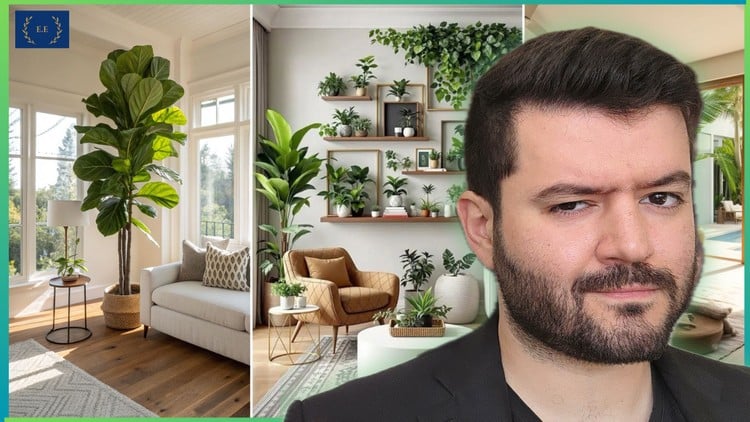
COMPLETE Interior Design Course On Using Plants: Interior Design Styles | Home Interior Design & Decor | Design Hacks
⏱️ Length: 2.2 total hours
👥 20 students
🔄 September 2025 update
Add-On Information:
Note➛ Make sure your 𝐔𝐝𝐞𝐦𝐲 cart has only this course you're going to enroll it now, Remove all other courses from the 𝐔𝐝𝐞𝐦𝐲 cart before Enrolling!
-
Course Overview
- Explore the core principles of biophilic design, integrating nature into interiors for enhanced well-being and aesthetics.
- Understand how plants impact mood, air quality, and cognitive function, creating healthier living and working spaces.
- Learn to select and pair suitable plant species for diverse interior styles, lighting conditions, and maintenance levels.
- Master spatial arrangement techniques, using plants to define zones, create focal points, and improve visual flow.
- Discover innovative plant installations, including vertical gardens and terrariums, to maximize green impact.
- Embrace sustainable practices for plant sourcing, care, and integration, ensuring eco-conscious design solutions.
-
Requirements / Prerequisites
- No prior interior design or extensive plant knowledge is required; only a passion for natural elements and design.
- A desire to transform environments into more vibrant, life-affirming spaces with natural touches.
- Basic computer and internet access for course engagement and accessing visual resources.
- An open mind to experiment with creative plant combinations and biophilic design concepts.
-
Skills Covered / Tools Used
- Biophilic Design Implementation: Acquire the expertise to translate abstract biophilic principles into tangible, impactful interior design solutions.
- Strategic Plant Selection: Develop a keen eye for choosing appropriate plant species based on their aesthetic appeal, maintenance needs, and environmental suitability.
- Dynamic Plant Composition: Learn techniques for composing dynamic plant arrangements, including layering, scaling, and repetition, to enhance visual interest and spatial depth.
- Vertical Greenery Design: Gain proficiency in designing and implementing innovative vertical gardens, living walls, and suspended plant features for various scales.
- Environmental Optimization: Understand how to analyze and adapt interior conditions such as light levels, humidity, and airflow to ensure optimal plant health and longevity.
- Material & Plant Harmonization: Cultivate skills in pairing plants with various design materials—from natural wood to sleek metallics—to create cohesive and tactilely rich interiors.
- Sustainable Practices: Discover ethical plant procurement strategies and eco-friendly care routines that minimize environmental impact while maximizing plant vitality.
- Conceptual Project Planning: Develop a structured methodology for planning, budgeting, and executing biophilic design projects, ensuring successful integration of living elements.
- Ambiance & Lighting Design: Master the integration of natural and artificial light to support plant vitality while crafting optimal room atmosphere and mood.
-
Benefits / Outcomes
- Cultivate a distinctive portfolio demonstrating expertise in cutting-edge biophilic interior design.
- Transform any indoor space into a restorative oasis, boosting well-being, air quality, and aesthetic appeal.
- Gain confidence to design or redecorate your own spaces with living plants, or offer services to clients.
- Acquire a competitive edge in design by mastering a sought-after, health-conscious, and sustainable niche.
- Deepen your appreciation for ecological design, contributing to healthier and more inspiring indoor environments.
- Unleash creative potential by integrating dynamic living elements into evolving design narratives.
- Become proficient in advising on plant care and environmental optimization for diverse interior settings.
- Empower yourself to create interiors that actively promote harmony between human habitation and nature.
-
PROS
- Highly Specialized Focus: Offers a deep dive into biophilic design, equipping learners with a unique and trending skillset in interior decoration.
- Well-being Centric: Emphasizes creating spaces that significantly enhance mental health, productivity, and air quality, offering a holistic design perspective.
- Actionable & Practical: Provides concrete strategies and tips for immediate application in real-world design projects, suitable for personal or professional use.
- Future-Oriented Skills: Equips learners with expertise in sustainable and health-conscious design, which are increasingly sought after in the contemporary market.
- Portfolio Enhancement: Helps build a distinctive design portfolio showcasing innovative, nature-integrated capabilities, giving a competitive advantage.
-
CONS
- Limited Physical Plant Interaction: As an online course, direct practical experience with a wide variety of live plants, specific potting techniques, and nuanced care routines in diverse real-world environments might be theoretical, potentially requiring additional hands-on practice.
Learning Tracks: English,Design,Interior Design
Found It Free? Share It Fast!