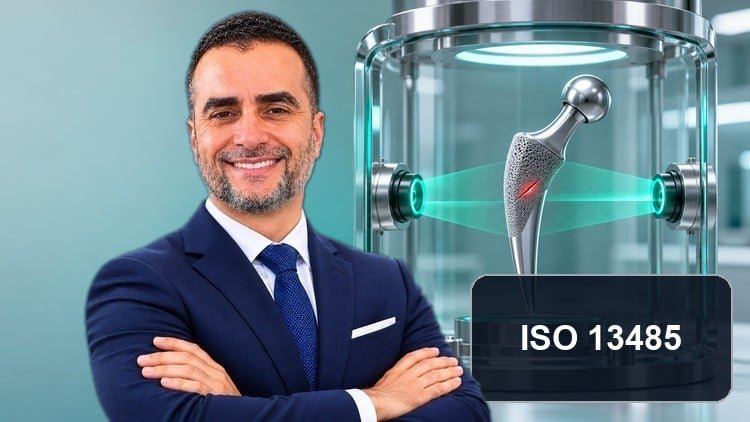
Medical Device QMS Auditing, Design Controls, Risk Management, CAPA & Regulatory Compliance Questions
What You Will Learn:
- Gain a thorough understanding of the standard’s key clauses and their application.
- Learn how to prepare, execute, and report findings effectively.
- Assess the organization’s adherence to ISO 13485 and related regulations.
- Assess the organization’s adherence to ISO 13485 and related regulations.
Alright folks, let’s talk about ISO 13485:2016 Lead Auditor Practice Exams Prep. If you’re in the medical device game and looking to level up your quality management system (QMS) auditing chops, this course is definitely worth a look. I’ve been in the tech and med device space for a good while now, and I’ve seen my fair share of training programs. This one, thankfully, feels like it’s designed by people who actually understand the grind of getting certified and keeping a compliant QMS humming.
Overview
This isn’t your typical snooze-fest theoretical dive into a standard. What struck me immediately is the practical, exam-focused approach. They’re not just explaining ISO 13485; they’re drilling you on how to *apply* it, specifically through the lens of lead auditing. This means going beyond just knowing the clauses to understanding how to interpret them in a real-world audit scenario. Think about it – you’re prepping for an exam that’s meant to qualify you to assess if a company is *actually* compliant. That requires a different skillset than just reading the standard. The course really hones in on that, providing questions that mimic the style and complexity you’d encounter in actual certification prep. It’s about building that critical thinking muscle for auditing, not just memorization. The emphasis on design controls, risk management, and CAPA is spot on, as these are the thorny bits that often trip up auditors and companies alike.
Prerequisites
Honestly, to get the most out of this, you shouldn’t be coming in completely cold. While they don’t explicitly say “you must have X years in med device,” it’s highly beneficial if you’ve got some foundational knowledge of the medical device industry and its regulatory landscape. Understanding basic QMS principles is a must. If you’re brand new to all of this, you might find yourself swimming a bit. Think of it as a beginner to advanced progression, but you’ll definitely get more mileage if you’re at least at an intermediate level of understanding the industry.
Skills & Tools
The core skill this course hammers home is effective auditing. This includes planning audits, conducting them professionally, and, crucially, reporting findings clearly and concisely. They cover how to assess an organization’s adherence not just to ISO 13485 but also to the broader regulatory environment, which is a huge part of being a competent lead auditor. While they don’t offer specific “hands-on labs” in the traditional sense, the practice exams themselves function as simulated audit exercises. You’re using the knowledge and applying it to test questions, which is the closest you’ll get to practical application in this format. The “tools” here are really the methodologies and thought processes they teach for dissecting audit scenarios and understanding regulatory intent. They’re essentially teaching you to use ISO 13485 as an industry-standard tool for assessment.
Career Benefits & Job Roles
Let’s cut to the chase: this course is about career growth. If you’re aiming to become a certified ISO 13485 Lead Auditor, this is a direct pathway. It opens doors to roles like Medical Device Auditor (internal or external), Quality Assurance Manager, Regulatory Affairs Specialist, and even consultant positions. Companies are always on the hunt for professionals who can ensure their QMS is robust and compliant. Having this certification and the skills to back it up makes you significantly more marketable and demonstrates job-ready skills in a high-demand field.
Pros
- Highly Practical Focus: It’s built around practice exams, which is exactly what you need for certification prep. The scenarios are realistic and test your understanding of application, not just memorization.
- Comprehensive Coverage: They hit all the critical areas of ISO 13485 relevant to auditing, from design controls to CAPA and risk management.
- Regulatory Integration: The course doesn’t exist in a vacuum; it weaves in how ISO 13485 ties into actual regulatory compliance, which is vital for real-world auditing.
Cons
The biggest drawback, and it’s a significant one if you’re looking for a complete training package, is the lack of in-depth case studies or real-world projects. While the practice questions are good, they’re still questions. More in-depth scenario analysis or walkthroughs of complex audit situations would have really elevated this from a strong prep course to an exceptional learning experience. It’s excellent for exam drilling, but for building a deep intuitive understanding of nuanced audit challenges, you’ll likely need to supplement it with other resources or experience.