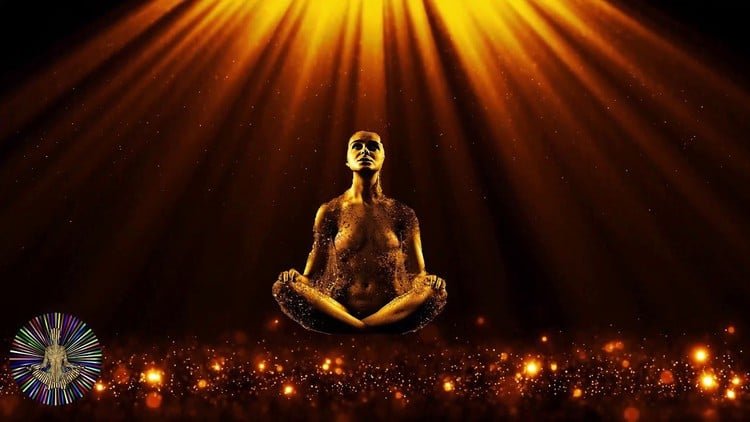
Meditation and Music with Human Psychology Lessons ; “Current Psychology” Book Gift University Approved Certificate Cour
What You Will Learn:
- In this course, you will learn about human psychology’s relevance to meditation and music.
- You’ll find plenty of opportunities in these courses, including traditional degrees. Why not master’s and doctorate for professional knowledge?
- Virtual learning boosts your careers more than face-to-face classes. You will get Udemy certification from this course.
- If you wish, you can also operate the table in the course to e-government. In order to be a more successful educator, this course includes basic and special inf
Overview
Alright, let’s dive into this “Meditation and Music with Human Psychology – Combined Appro” course. As someone who’s navigated the tech landscape for a while, I’m always on the lookout for those unique learning opportunities that can actually move the needle. This one caught my eye because it’s not your typical, let’s say, deep learning or cloud architecture course. It aims to bridge the gap between the seemingly disparate worlds of mindfulness, auditory experiences, and the intricate workings of the human mind. The promise of integrating these elements for personal and professional development is intriguing, and honestly, a bit refreshing in a sea of highly specialized, often siloed, technical training. The mention of “e-government” operations, while a bit of an outlier, hints at the potential for practical application, which is always a plus in my book. It’s not just about theory; it’s about how you can potentially *apply* this knowledge. The idea that virtual learning can supercharge careers is something I can definitely get behind, especially in today’s distributed workforce.
Prerequisites
Honestly, for a course like this, the prerequisites are probably more about a curiosity and an open mind than any specific technical background. If you’re coming from a pure tech background, don’t let the “psychology” and “meditation” elements scare you off. The “Topics” section implies a foundational understanding of how these elements interconnect is what the course aims to provide. So, no need to have a psychology degree already. Just be ready to engage with concepts that might be new.
Skills & Tools
This course is less about mastering specific industry-standard tools in the traditional sense (like learning Python or AWS) and more about developing a set of valuable soft skills and conceptual understanding. You’ll likely gain:
- A deeper comprehension of psychological principles relevant to stress management and focus.
- Insights into the neurological and emotional impact of music.
- Practical meditation techniques for improved well-being and productivity.
- The ability to synthesize information from different disciplines, which is a crucial meta-skill for innovation.
While there aren’t specific “hands-on labs” in the coding sense, the “operate the table in the course to e-government” part suggests there might be some interactive exercises or case studies to practice application.
Career Benefits & Job Roles
This is where things get interesting, especially for those of us in the tech sphere. While this course won’t directly train you to be a software engineer or a data scientist, it can absolutely contribute to your career growth. The skills you’ll acquire are highly transferable and can make you a more effective professional in virtually any role.
Think about it: improved focus and stress management can boost your performance in demanding tech environments. Understanding human psychology can make you a better communicator, a more empathetic team member, and a more insightful leader. The certification, while not a direct gateway to a specific job title in tech, can be a valuable addition to your professional profile, showcasing a commitment to holistic development.
Potential benefits include:
- Enhanced leadership and communication skills.
- Improved stress management and resilience, crucial for demanding tech roles.
- A more nuanced understanding of user experience and human-computer interaction (if you’re in product development).
- Potential for roles in areas that blend technology with well-being, such as wellness tech or ed-tech.
The “Topics” mentioning master’s and doctorates for professional knowledge is a strong indicator that this course, while potentially beginner-friendly, has pathways to deeper, specialized learning.
Pros
- Holistic Skill Development: This is the big one. It’s rare to find courses that actively encourage the integration of personal well-being with professional development. In the high-pressure tech world, this is a game-changer.
- Versatile Application: The insights gained are not confined to a niche. They can be applied across a wide spectrum of personal and professional situations, enhancing overall effectiveness.
- Career Enhancement Beyond Technical Skills: It focuses on skills that are often overlooked but are critical for long-term career success and job satisfaction.
- University Approved Certificate: This adds a layer of credibility and recognition, which is always good for certification prep and showcasing learning achievements.
Cons
- Potential for Misinterpretation of “E-Government”: The mention of operating a “table in the course to e-government” is a bit vague. Without more context, it’s hard to gauge its practical relevance or if it’s a genuinely useful application or just a tangential feature. It could be a minor distraction if not explained clearly.
Overall, this course seems like a solid investment for anyone looking to broaden their understanding of themselves and how they interact with the world, especially in a professional context. It’s a smart move to supplement your core technical training with something that addresses the human element.