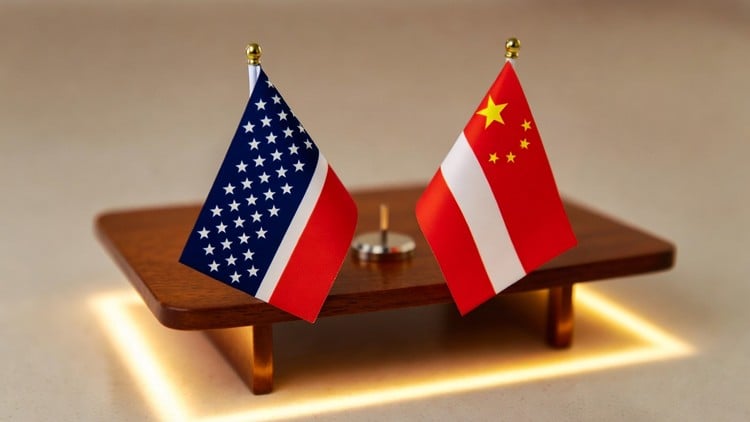
Master precedence, state ceremonies, cross-cultural negotiation, and the formal codes of international diplomacy
What You Will Learn:
- Explain the legal and historical foundations of diplomatic protocol including the Vienna Conventions
- Apply precedence and seniority rules correctly in bilateral and multilateral diplomatic settings
- Organize and participate appropriately in state dinners, receptions, and official ceremonies
- Draft formal diplomatic correspondence using correct titles, forms of address, and language
- Navigate cross-cultural communication and negotiation with awareness of cultural sensitivities
- Identify appropriate dress codes for formal, semi-formal, and official diplomatic occasions
- Describe the roles within a diplomatic mission from Ambassador to Attaché and their functions
- Use flags, national symbols, and honorifics correctly in official diplomatic contexts
Okay, so you’re probably wondering why a tech professional like me is reviewing a course on diplomatic protocol. Fair question. Let’s be real, in our increasingly interconnected world, where global teams are the norm and international partnerships drive innovation, understanding the subtle (and not-so-subtle) nuances of how the world’s power players interact isn’t just a “nice to have” – it’s a strategic imperative. ‘Diplomatic Protocol and Etiquette: The Complete Guide’ isn’t just for aspiring ambassadors. It’s for anyone looking to level up their global competency, navigate complex international environments, and command respect in any high-stakes interaction. This course pulls back the curtain on the centuries-old dance of diplomacy, revealing the logic and structure behind seemingly arcane rules. It’s about more than just remembering which fork to use; it’s about understanding the invisible architecture of international relations and leveraging that knowledge for effective cross-cultural engagement. If you’ve ever felt out of your depth in a foreign business meeting or wanted to truly understand the dynamics playing out on the world stage, this course offers a surprisingly actionable framework.
Prerequisites
You don’t need a Political Science degree to jump into this, which is great. What you do need is a healthy dose of curiosity about how the world works, an open mind for cultural sensitivities, and a desire to improve your interpersonal communication skills. A basic understanding of current global affairs definitely helps contextualize things, but it’s not strictly necessary. This isn’t a coding boot camp, so don’t expect specific software industry-standard tools as prerequisites. It’s more about soft skills and an appetite for sophisticated social dynamics.
Skills & Tools
This course delivers a surprisingly robust toolkit for anyone operating on a global scale. You’ll walk away with:
- A solid grasp of the legal and historical foundations that underpin international diplomacy, specifically the Vienna Conventions. This isn’t just trivia; it’s the bedrock for understanding state sovereignty and diplomatic immunity.
- The ability to correctly apply precedence and seniority rules in virtually any setting, from bilateral meetings to multilateral conferences. This is a decision-making framework crucial for avoiding embarrassing gaffes.
- Practical knowledge for organizing and participating in state dinners, receptions, and official ceremonies. Think event management skills but with a diplomatic twist.
- Proficiency in drafting formal diplomatic correspondence using correct titles, forms of address, and the precise language required. This is a job-ready skill for anyone interacting with foreign officials or high-level executives.
- Enhanced cross-cultural communication and negotiation skills, making you acutely aware of cultural sensitivities that can make or break a deal.
- An eye for appropriate dress codes for formal, semi-formal, and official diplomatic occasions – essential for professional image management.
- A clear understanding of the organizational structure and functions within a diplomatic mission, from Ambassador to Attaché.
- The correct usage of flags, national symbols, and honorifics, mastering symbolic communication that conveys respect and understanding.
While there aren’t hands-on labs in the traditional tech sense, the course provides numerous real-world project-style scenarios and examples that allow you to practice these concepts and internalize diplomatic industry-standard protocols.
Career Benefits & Job Roles
Don’t pigeonhole this as solely for the foreign service. The career growth potential here is broader than you might think. This course equips you with job-ready skills for:
- International Business Development: Navigating global markets requires finesse and cultural awareness.
- Government Relations and Lobbying: Understanding protocol is key when engaging with officials.
- International Project Management: Coordinating across borders demands a keen sense of cultural context.
- Corporate Diplomacy: For companies operating globally, this skill set is invaluable.
- NGO Leadership: Working with international organizations and governments requires diplomatic tact.
- And, of course, roles within the Foreign Service and other governmental agencies.
It’s about elevating your professional presence and becoming an invaluable asset in any organization that interacts globally.
Pros
Beginner to AdvancedCoverage: The course does an excellent job of starting with foundational concepts and building up to more complex scenarios. It doesn’t assume prior knowledge but also doesn’t shy away from depth. This is not just certification prep; it’s foundational knowledge for real-world high-stakes environments.- Highly Practical and Actionable: Unlike some theoretical courses, this one is packed with specific examples, dos and don’ts, and scenarios that make the material immediately applicable. You learn how to do things, not just what they are.
- Expertly Demystifies Complexities: What seems arcane and overwhelming becomes logical and understandable. The content clearly comes from a place of deep expertise, breaking down centuries of tradition into digestible, relevant insights.
- Unlocks
Cross-Cultural Competency: Beyond the rules, the course truly fosters a deeper understanding of cultural nuances, which is an invaluable soft skill in any global leadership role.
Cons
- Limited Interactive Simulation: While strong on scenarios and examples, I felt it could benefit from more hands-on labs or interactive simulations where you role-play diplomatic situations. Applying the rules in a simulated real-time environment, perhaps with peer feedback, would solidify the learning even further from a practical application standpoint.