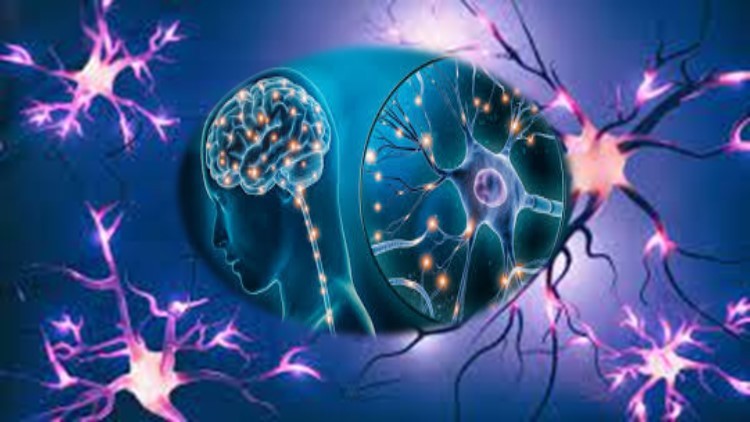
Organizational and Functional Aspects of Nerves
What you will learn
Understand the fundamental structure and function of the human nervous system.
Explore the central and peripheral nervous systems, including the brain, spinal cord, and nerves.
Learn about the communication pathways within the nervous system and how they control body functions.
Analyze the role of neurons, synapses, and neurotransmitters in nervous system activities.
Why take this course?
This comprehensive course on the anatomy and physiology of the human nervous system is designed for students, healthcare professionals, and enthusiasts eager to explore the intricate workings of the body’s command center. The course begins with an overview of the nervous system, detailing its central and peripheral components. Through engaging lectures, visual aids, and real-life examples, you’ll delve into the brain’s anatomy, spinal cord, and the extensive network of nerves that connect This comprehensive course on the anatomy and physiology of the human nervous system is designed for students, healthcare professionals, and enthusiasts eager to explore the intricate workings of the body’s command center. The course begins with an overview of the nervous system, detailing its central and peripheral components. Through engaging lectures, visual aids, and real-life examples, you’ll delve into the brain’s anatomy, spinal cord, and the extensive network of nerves that connect every part of the body.
We’ll explore the functional aspects of neurons, synapses, and neurotransmitters, offering insights into how the nervous system communicates, processes information, and controls bodily functions. The course also covers critical topics like sensory and motor pathways, reflexes, and the autonomic nervous system, highlighting their importance in maintaining bodily functions, health, and overall well-being.
Whether you’re a student preparing for exams, a healthcare professional seeking to refresh your knowledge, or simply curious about how the nervous system works, this course provides the essential information needed to master the subject. No prior experience in neuroscience is required, making this course accessible to everyone interested in understanding the marvel that is the human nervous system and its vital role in daily life and medical science.
- Course Overview
- This certificate program delves into the sophisticated architecture and dynamic operations of the human nervous system, the command center governing every aspect of human life. Beyond basic definitions, you will investigate the intricate interplay between its structural components and their functional manifestations, providing a comprehensive understanding of how nerves orchestrate our perception, thought, movement, and internal regulatory processes. The course accentuates the fundamental organizational and functional aspects of nerves, exploring how these highly specialized cells integrate to form a system capable of unparalleled complexity and adaptability. It offers an essential foundation for appreciating the neurological basis of health, behavior, and various human conditions.
- Requirements / Prerequisites
- While no specific degree is mandated, a foundational understanding of general biology or life sciences is highly recommended to fully engage with the course material.
- Familiarity with basic scientific terminology and an aptitude for conceptual learning will be beneficial.
- Access to a stable internet connection and a computer capable of running standard web browsers and multimedia content.
- Self-motivation and discipline to manage independent study within an online learning environment.
- Proficiency in English is required for comprehending course materials and assessments.
- Skills Covered / Tools Used
- Develop a robust understanding of neurological nomenclature and anatomical mapping, enabling precise communication within scientific and medical contexts.
- Enhance analytical and critical thinking skills by dissecting complex physiological pathways and their implications for systemic function.
- Competency in interpreting and synthesizing information related to neural circuitries, sensory transduction, and motor control mechanisms.
- Ability to conceptualize the hierarchical organization and functional integration of nervous system components.
- Foundational skills applicable to understanding neuropharmacology, neuroimaging principles, and the etiology of neurological disorders.
- Potential engagement with interactive diagrams, 3D anatomical models, or simulated case studies to visualize complex structures and processes.
- Benefits / Outcomes
- Lay a comprehensive groundwork for advanced academic pursuits in neuroscience, medicine, psychology, pharmacology, or rehabilitation sciences.
- Gain a profound appreciation for the biological underpinnings of human consciousness, cognition, emotion, and behavior.
- Improve your ability to understand and discuss the mechanisms behind common neurological conditions and therapeutic interventions.
- Empower professionals in allied health, education, or counseling fields with specialized knowledge to better serve their clients or students.
- Elevate your professional credibility and open doors to specialized roles requiring expertise in human physiology and neurobiology.
- Contribute to informed public discourse on neurological health and wellness by possessing a solid scientific understanding.
- PROS
- Specialized Expertise: Acquire in-depth knowledge in a critical and rapidly evolving area of biological science.
- Career Catalyst: Provides a strong foundation for various career paths in healthcare, research, and education, enhancing employability.
- Flexible Learning: Designed for self-paced study, allowing you to balance learning with existing commitments.
- Enhanced Understanding: Offers unique insights into the most complex system of the human body, impacting all aspects of human experience.
- Foundation for Advanced Study: An excellent stepping stone for those considering further degrees or certifications in specialized medical or scientific fields.
- CONS
- Limited Practical Experience: As an online certificate, it typically does not include direct hands-on laboratory or clinical dissection experience found in traditional university programs.