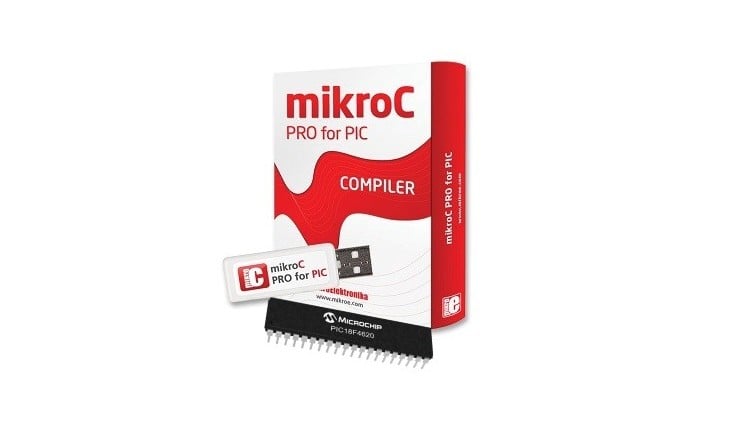
Learn MikroC PRO for PIC | Configure the Microcontroller | Design electronic circuits in Proteus | Simulate the Projects
⏱️ Length: 1.6 total hours
⭐ 4.15/5 rating
👥 10,908 students
🔄 August 2022 update
Add-On Information:
Note➛ Make sure your 𝐔𝐝𝐞𝐦𝐲 cart has only this course you're going to enroll it now, Remove all other courses from the 𝐔𝐝𝐞𝐦𝐲 cart before Enrolling!
- Course Overview
- This concise and impactful course serves as your direct bridge into the fascinating world where software commands hardware, specifically through microcontrollers. Designed for absolute beginners, it demystifies programming electronic components, allowing you to orchestrate digital logic for real-world tasks. The curriculum provides a foundational understanding of how to conceptualize, design, and implement microcontroller-based solutions. By focusing on MikroC PRO for PIC and Proteus simulation software, the course ensures a practical, hands-on learning experience. It’s an essential first step for anyone aspiring to delve into electronics, automation, robotics, or the Internet of Things (IoT), setting a robust stage for future designs. You’ll grasp core principles of PIC microcontroller programming, emphasizing a clear, step-by-step methodology to build confidence. This integrated approach ensures you learn a specific toolset and develop transferable skills, efficiently packing crucial introductory knowledge into a digestible format.
- Requirements / Prerequisites
- Basic Computer Proficiency: A fundamental understanding of operating a computer, managing files, and navigating software interfaces is expected.
- Internet Access: Required for downloading the necessary development tools and course materials.
- Compatible Computer System: A PC capable of smoothly running MikroC PRO for PIC and Proteus simulation software. Specific hardware requirements are typically minimal for these applications.
- Enthusiasm for Learning: An eagerness to explore the interplay between electronics and programming is the most crucial prerequisite. No prior experience in programming or electronics is necessary, as the course is designed to build knowledge from a zero level.
- Skills Covered / Tools Used
- Microcontroller Hardware Abstraction: Gain insight into how MikroC PRO simplifies complex direct register manipulation, enabling control of PIC microcontroller peripherals (I/O ports, timers, interrupts) using high-level C code.
- Embedded C Syntax & Logic: Develop proficiency in writing clean, efficient C code for the MikroC compiler, understanding data types, control structures, functions, and variable scope within an embedded context.
- Integrated Development Environment (IDE) Mastery: Navigate the MikroC PRO for PIC IDE with confidence, learning its various panes, project management features, compiler settings, and effective use of built-in functions and libraries.
- Circuit Schematic Design in Proteus: Acquire practical skills in designing digital and mixed-signal electronic circuits using Proteus ISIS, selecting appropriate virtual components from its extensive library.
- Virtual Prototyping & Simulation: Learn to assemble and test your microcontroller circuits virtually within Proteus, observing their behavior in real-time without physical hardware, reducing development time.
- Firmware Compilation & Flashing Simulation: Understand compiling MikroC PRO code into a hexadecimal file and simulating its “flashing” onto a virtual PIC microcontroller within Proteus, verifying logical flow.
- Basic Peripheral Interfacing: Program the microcontroller to interact with fundamental external components, such as controlling LEDs and reading inputs from push buttons.
- Debugging Simulated Systems: Develop critical thinking by identifying and resolving logical errors in both your C code and Proteus circuit design through systematic simulation.
- Project Workflow Management: Grasp the end-to-end workflow of an embedded project, from initial concept to coding, compilation, simulation, and iteration, preparing for real-world development.
- Benefits / Outcomes
- Foundational Embedded Systems Expertise: Establish a strong conceptual and practical foundation in embedded systems, preparing you for more advanced topics in robotics, IoT, and industrial automation.
- Hands-on Project Readiness: Gain the skills and confidence to embark on your own basic microcontroller projects, bringing your innovative electronic ideas to fruition.
- Proficiency in Industry-Relevant Tools: Become adept at using MikroC PRO for PIC and Proteus, two powerful and widely-adopted tools in the embedded systems development ecosystem.
- Enhanced Problem-Solving Acumen: Sharpen your analytical and logical thinking through the process of designing, programming, simulating, and debugging microcontroller circuits.
- Understanding Hardware-Software Symbiosis: Develop a clear comprehension of how software instructions directly influence the behavior of electronic hardware, a crucial insight for any aspiring engineer or hobbyist.
- Pathway to Advanced Studies: This course serves as an excellent prerequisite for exploring other microcontroller families (e.g., Arduino, ESP32, ARM) or delving deeper into advanced topics like real-time operating systems (RTOS) or complex communication protocols.
- Creative Confidence: Empower yourself to transform abstract ideas into tangible, functional electronic devices, fostering a sense of accomplishment and encouraging further exploration.
- PROS
- Exceptional Entry Point: Ideal for absolute beginners, requiring no prior programming or electronics experience.
- Practical Simulation-Based Learning: Offers a safe, cost-effective environment for embedded systems experimentation without physical hardware.
- Targeted & Efficient: Concise (1.6 hours) format provides a rapid, focused learning curve for core competencies.
- Relevant Toolset: Teaches valuable proficiency in MikroC PRO for PIC and Proteus, widely used in embedded development.
- Strong Conceptual Foundation: Builds critical programming and circuit design concepts transferable to diverse platforms.
- CONS
- Limited In-Depth Coverage: Due to its introductory nature and short duration, the course naturally cannot delve into highly advanced topics, complex peripherals, or optimization techniques.
Learning Tracks: English,IT & Software,Other IT & Software
Found It Free? Share It Fast!