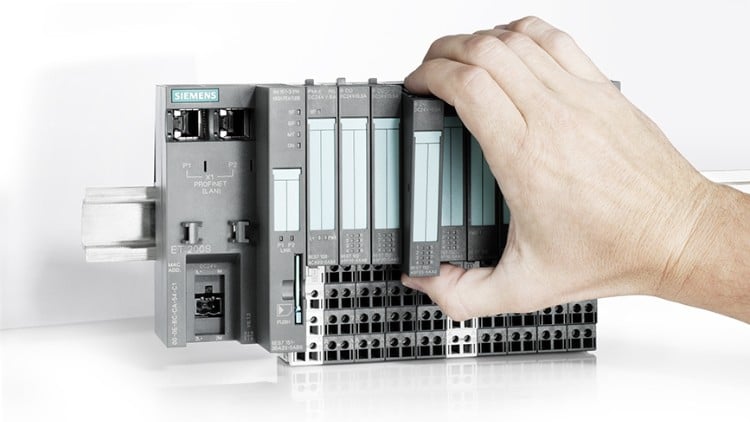
Learn PLC Programming & Automation: Introduction to Industrial Control Systems
⏱️ Length: 4.8 total hours
⭐ 4.18/5 rating
👥 5,096 students
🔄 June 2025 update
Add-On Information:
Note➛ Make sure your 𝐔𝐝𝐞𝐦𝐲 cart has only this course you're going to enroll it now, Remove all other courses from the 𝐔𝐝𝐞𝐦𝐲 cart before Enrolling!
-
Course Overview
- Programmable Logic Controllers (PLCs) represent the technological backbone of modern industry, serving as the essential “brains” that orchestrate everything from intricate manufacturing assembly lines to robust infrastructure control systems. This course acts as your definitive, rapid entry into the critical domain of industrial control, meticulously designed to demystify the core technologies that underpin automated processes across the globe.
- It’s crafted to provide a foundational yet comprehensive understanding of how Programmable Logic Controllers operate within diverse real-world industrial environments. You will embark on a structured learning journey that prepares you to grasp and eventually master the fundamental tools that actively shape contemporary automation and smart manufacturing practices.
- Beyond merely teaching programming syntax, this curriculum illuminates the broader strategic context of industrial automation, equipping you to appreciate the intricate interconnectedness of various components within a holistic control system architecture. Gain invaluable insight into the operational heartbeat of modern factories, sophisticated production facilities, and essential public infrastructure.
- The concise nature of the course, spanning just under five total hours, is a testament to its highly optimized and efficient structure. This ensures maximum learning impact and retention of crucial foundational knowledge without unnecessary jargon or lengthy exposition, making it ideal for rapid skill acquisition.
- This program transcends the simple acquisition of a technical tool; it’s an immersive introduction to a transformative paradigm shift towards intelligent, autonomously controlled manufacturing. The content aligns perfectly with the evolving demands of Industry 4.0 and the visionary blueprint for the future of highly integrated, smart factories.
-
Requirements / Prerequisites
- A fundamental curiosity about how machinery operates, how processes are controlled, and a strong eagerness to learn are the primary prerequisites for enrolling in this course. It is explicitly crafted for absolute beginners in PLC programming, requiring no prior hands-on experience or theoretical knowledge of industrial control systems.
- Learners are expected to possess basic computer literacy, which includes comfort with navigating operating systems (e.g., Windows, macOS), efficient file management, and proficient use of web browsers for accessing course materials, online resources, and potentially downloading any recommended software demos.
- While not a strict prerequisite, a rudimentary understanding of basic electrical principles (such as switches, relays, voltage, current, and simple circuits) will provide a beneficial contextual framework for more easily grasping input/output operations and sensor interactions within a control system.
- Access to a personal computer (compatible with Windows, macOS, or Linux) equipped with a stable, reliable internet connection is essential for engaging seamlessly with all course content, participating in exercises, and installing any suggested simulation or programming software trials.
- A proactive willingness to engage actively with practical, hands-on exercises and to cultivate a logical, systematic approach to problem-solving is crucial for maximizing the learning experience and effectively applying the foundational concepts taught in the course to real-world scenarios.
-
Skills Covered / Tools Used
- You will develop a foundational proficiency in conceptualizing and systematically designing sequential control logic, effectively translating detailed real-world operational requirements and process descriptions into structured, executable automated sequences.
- The course will adeptly guide you through the effective utilization of industry-standard PLC simulation software, empowering you to proficiently build, rigorously test, and meticulously debug your PLC programs within a safe virtual environment before attempting deployment on actual hardware.
- Learn to accurately interpret existing control block diagrams and competently create foundational flowcharts that visually articulate control processes, significantly enhancing your capability to plan, document, and communicate automation solutions effectively.
- Gain an introductory yet crucial understanding of basic data handling mechanisms within PLC environments, encompassing fundamental data types, memory allocation strategies, and tracing the logical flow of information that drives complex control decisions.
- Explore the core principles of process interlocking, safety interlocks, and critical safety considerations pertinent to industrial automation, recognizing how to design systems that proactively prevent unsafe conditions and robustly protect personnel and equipment.
- Develop familiarity with the general user interfaces, menu structures, and typical workflow paradigms of common PLC programming platforms, thereby acquiring a versatile and transferable skill set applicable across various vendor-specific software environments.
-
Benefits / Outcomes
- Successfully completing this introductory course will effectively equip you with a robust, entry-level understanding of fundamental industrial automation principles, significantly enhancing your resume for a range of technical roles in manufacturing, plant maintenance, and junior controls support positions.
- You will gain the practical confidence required to systematically analyze basic automated processes, accurately identify potential areas for operational improvement, and contribute meaningfully to discussions surrounding industrial system design and optimization efforts.
- This foundational knowledge serves as an indispensable and strategic stepping stone for pursuing more advanced certifications and specialized studies in burgeoning areas such as SCADA (Supervisory Control and Data Acquisition) systems, robotics programming, Distributed Control Systems (DCS), and the Industrial Internet of Things (IIoT) integration.
- Develop a deep, practical appreciation for the inherent challenges and innovative solutions crucial for maintaining modern industrial operations that run smoothly, efficiently, and reliably, thereby establishing yourself as a more valuable asset within any technical or operational team.
- Empower yourself to fluently speak the technical language of automation, effectively understand and interpret complex technical documentation, and collaborate seamlessly and productively with control engineers, industrial electricians, and production floor staff.
- This course will effectively open doors to entirely new career pathways or significantly solidify your current professional standing by demonstrably showcasing a tangible and highly sought-after skill in a high-demand technological field that continues its rapid global expansion.
-
PROS
- Exceptional Efficiency: The remarkably concise 4.8-hour duration delivers maximum learning impact in minimal time, making it an ideal choice for busy professionals seeking rapid foundational skill acquisition.
- Highly Validated Content: A stellar 4.18/5 rating from over 5,000 satisfied students unequivocally underscores the course’s superior quality, proven effectiveness, and high levels of student satisfaction.
- Up-to-Date Curriculum: The explicit June 2025 update guarantees that you are learning the most current industry practices, relevant technological insights, and contemporary operational strategies, effectively keeping your newly acquired skills future-proof.
- Practical & Application-Oriented: The course focuses squarely on real-world industrial scenarios and hands-on application, ensuring immediate relevance and direct utility of all learned concepts in actual work environments.
- Ideal for Beginners: Perfectly structured as an accessible and engaging introduction, it successfully makes complex industrial automation concepts comprehensible and inspiring for newcomers to the field.
- Flexible Learning: The self-paced online format offers unparalleled flexibility, allowing you to integrate education seamlessly into your personal schedule and learn entirely at your convenience.
- Strong Career Foundation: Provides a robust and essential starting point for launching or advancing a lucrative and in-demand career in industrial automation, a sector experiencing consistent global demand.
-
CONS
- Introductory Depth: Given its intentionally concise nature and role as an introduction, the course provides an excellent overview and foundational skills but may not delve into the intricate complexities of highly advanced PLC programming techniques, delve deep into specific vendor architectures beyond general concepts, or offer extensive project experience with highly specialized industrial applications.
Learning Tracks: English,Teaching & Academics,Engineering
Found It Free? Share It Fast!