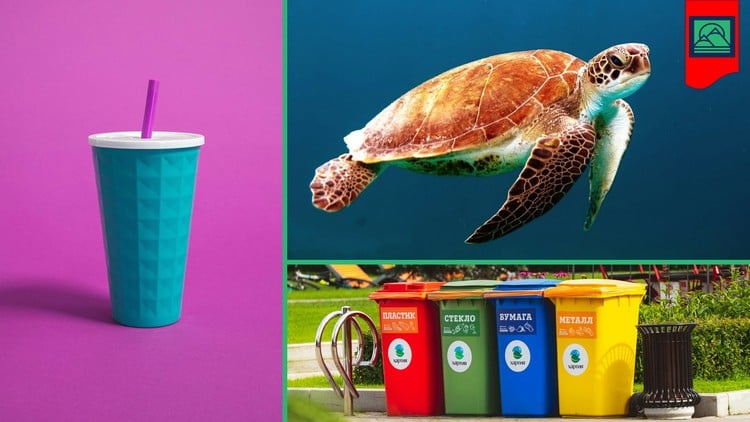
What you need to learn about plastic pollution
⏱️ Length: 2.4 total hours
⭐ 4.48/5 rating
👥 9,677 students
🔄 November 2025 update
Add-On Information:
Note➛ Make sure your 𝐔𝐝𝐞𝐦𝐲 cart has only this course you're going to enroll it now, Remove all other courses from the 𝐔𝐝𝐞𝐦𝐲 cart before Enrolling!
- Course Overview:
- This course offers a structured exploration into the global challenge of plastic waste, examining its pervasive presence from production to accumulation. It highlights how human innovation has created a pressing environmental dilemma, emphasizing the urgent need for a paradigm shift in consumption and disposal practices.
- Embark on a critical examination of societal factors, industrial processes, and consumer behaviors that contribute to escalating plastic pollution. The module uncovers root causes, including historical trends, economic drivers, and regulatory landscapes, fostering a comprehensive understanding of the problem’s genesis.
- Explore the invisible pathways and cumulative effects of microplastic and nanoplastic contamination across diverse ecosystems. This section sheds light on fragmented plastic particles permeating soil, air, and water, potentially impacting food chains and all living organisms – a dimension often overlooked.
- Gain a holistic perspective on the entire lifecycle of plastic, from raw material extraction to product manufacturing, usage, and eventual disposal or recycling. This comprehensive view empowers learners to identify critical intervention points for effective sustainable practices and innovative solutions.
- Understand the interplay between environmental justice and plastic pollution, recognizing how marginalized communities often bear a disproportionate burden of waste. The course examines socio-economic dimensions, including global waste trade, fostering awareness of equitable solutions.
- Equip yourself with an informed perspective on emerging technologies and policy frameworks designed to combat plastic waste. Beyond problem identification, it highlights advancements in biodegradable materials, chemical recycling, and robust legislative efforts for a sustainable future.
- Requirements / Prerequisites:
- No specialized scientific or environmental background is required; the course distills complex information into accessible segments for a broad audience. Primary requisites are a fundamental curiosity about global environmental issues and a commitment to personal growth.
- An open and inquisitive mindset is highly encouraged, as the course challenges conventional thinking about consumption and waste. Learners should be prepared to critically assess habits and societal norms, embracing new perspectives and sustainable solutions.
- Basic proficiency in navigating online learning platforms and accessing digital resources is expected. This includes stable internet access and a device capable of streaming video, ensuring an uninterrupted and interactive learning experience.
- A genuine interest in contributing positively to environmental sustainability efforts—personally, through community involvement, or professional advocacy—will significantly enhance the learning experience. Personal motivation is a valuable asset.
- The ability to reflect on information and connect it to real-world scenarios will enrich your understanding. This course encourages bridging theoretical knowledge with practical applications for deeper comprehension of global and local challenges.
- Skills Covered / Tools Used:
- Develop enhanced critical thinking skills to evaluate waste management strategies and product design choices. Learn to question marketing claims and discern truly sustainable alternatives from “greenwashing,” enabling informed decisions as a consumer and citizen.
- Cultivate advanced environmental literacy, allowing you to articulate the multifaceted challenges of plastic pollution with clarity and confidence. This includes understanding scientific terminology, interpreting data, and effectively communicating the issue’s urgency.
- Acquire practical problem-solving approaches for reducing plastic waste in personal, household, and community settings. The course introduces methodologies for identifying unnecessary plastic, strategizing reduction techniques, and implementing effective alternatives.
- Strengthen your ability in data interpretation and trend analysis related to global plastic production, consumption, and disposal patterns. Gain insights into understanding reports, statistics, and scientific studies concerning plastic pollution.
- Build foundational knowledge in circular economy principles, moving beyond linear “take-make-dispose” models. This involves understanding concepts like design for longevity, resource efficiency, reuse, repair, and high-quality recycling for sustainable systems.
- Enhance your capacity for informed advocacy and community engagement, equipping you to participate effectively in discussions on environmental policy and corporate responsibility. Learn to constructively voice concerns and inspire collective action.
- Benefits / Outcomes:
- Emerge as a more conscious consumer, empowered with knowledge to actively seek and support sustainable products and practices. You will critically assess packaging and company commitments, making purchasing decisions aligned with your environmental values.
- Gain a profound sense of empowerment and agency in addressing a pressing environmental challenge. This course transforms passive awareness into active engagement, providing tools and motivation for meaningful contributions to plastic reduction efforts.
- Develop a deeper appreciation for the interconnectedness of global ecosystems and human well-being, fostering a holistic worldview that recognizes the profound impact of material choices. This perspective encourages responsible stewardship.
- Enhance your credibility as an environmentally aware individual, equipped to engage in informed discussions and contribute valuable insights in various settings. Your understanding of plastic pollution will be grounded in current science and solutions.
- Inspire others within your personal and professional networks to adopt sustainable behaviors and practices. By embodying the principles learned, you will serve as a catalyst for positive change, motivating collective action towards less plastic waste.
- Unlock opportunities for personal innovation, encouraging you to identify creative solutions and alternatives to single-use plastics in daily life. This fosters resourcefulness, enabling effective reduction of your environmental footprint.
- PROS:
- Highly Current Content: Benefits from a “November 2025 update,” ensuring learners receive the most up-to-date research, policy discussions, and emerging solutions in plastic waste management.
- Concise and Efficient Learning: At just 2.4 hours, this course is designed for busy individuals seeking comprehensive knowledge without significant time commitment, serving as an ideal entry point for environmental education.
- Practical and Actionable Insights: Beyond theory, the course delivers concrete strategies and tips immediately applicable to daily life, enabling learners to reduce their plastic footprint and make tangible positive impacts.
- Reputable and Peer-Endorsed: A strong 4.48/5 rating from over 9,677 students indicates high satisfaction and effectiveness, proving a well-structured and valuable learning experience by a significant user base.
- Foundational for Further Exploration: Provides excellent groundwork for those interested in delving deeper into specific aspects of environmental science, policy, or sustainability, serving as a comprehensive introduction to plastic pollution.
- Boosts Environmental Awareness: Effectively elevates participants’ understanding of a critical global issue, empowering them with knowledge to advocate for change and make more environmentally conscious decisions.
- CONS:
- Due to its condensed format, the course offers limited in-depth exploration of highly specialized scientific processes, complex engineering solutions for plastic recycling, or nuanced international policy negotiations, potentially requiring learners seeking deep technical details to consult additional resources.
Learning Tracks: English,Teaching & Academics,Science
Found It Free? Share It Fast!