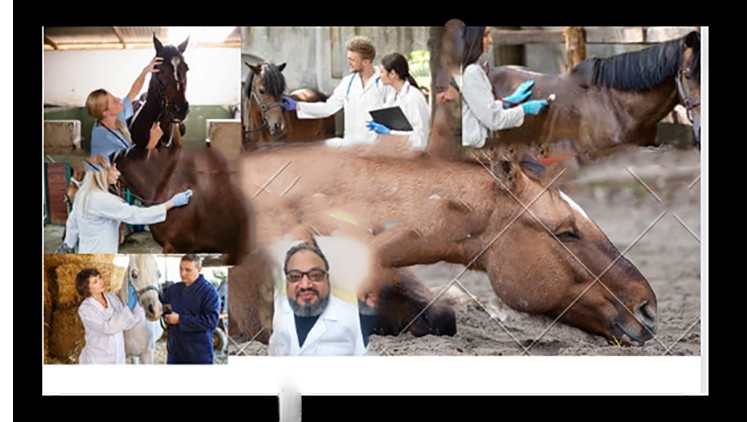
horse acute abdomen
Why take this course?
Course Title: Mastering Equine Acute Abdomen: Understanding & Managing Horse Colic
Course Headline: Dive Deep into Equine Gastrointestinal Health – Learn to Tackle Horse Colic Effectively! 🐎✨
Introduction:
Hello, equine enthusiasts and veterinary professionals! Join us in this comprehensive course as we delve into the complex world of horse colic, also known as equine acute abdomen. In this course, led by the esteemed instructor Mohamed Al-Ashram, we’ll unravel the mystery behind this broad term and explore the underlying etiologies, diagnostic approaches, and treatment strategies for this common yet critical condition in horses.
Course Overview:
✅ Understanding Colic in Horses: We begin by defining colic in its strictest sense and then expand on how the term is commonly used to describe a spectrum of gastrointestinal issues in horses, causing abdominal pain.
✅ Equine GIT Anatomy & Physiology: Get a detailed understanding of the horse’s gastrointestinal anatomy, including the functions of the stomach, small intestine (seocom), and large intestine (right ventral colon, left ventral colon, and dorsal colon). Learn how the horse’s sensitive GIT responds to bacterial endotoxin and the critical role of GI motility in maintaining health.
✅ Clinical Implications: Explore the clinical signs of colic, the importance of recognizing normal versus abnormal GI motility, and the potential risks such as gas dilation and rupture of the stomach due to its anatomical positioning.
✅ Gastrointestinal Disorders: Identify common gastrointestinal disorders, their presentations, and the most common locations for infections within the equine digestive system. Understand the importance of the pelvic flexure and the dorsal colon’s anatomy in diagnosing and managing colic cases.
✅ Diagnostic & Treatment Protocols: Learn about the latest diagnostic techniques and treatment protocols for colic, including medical management, surgery, and the prevention of recurrent bouts of colic.
Why This Course?
- Expert Insights: Gain knowledge from Mohamed Al-Ashram’s years of experience in equine gastrointestinal health.
- Detailed Anatomy & Physiology: Understand the intricate workings of the horse’s digestive system and its susceptibility to colic.
- Practical Application: Apply your learning to real-world scenarios, enhancing your ability to diagnose and manage equine colic effectively.
- Comprehensive Coverage: From basic principles to advanced topics, this course covers it all to ensure you’re fully prepared to handle equine acute abdomen cases.
Who Is This Course For?
This course is designed for:
- Veterinary professionals seeking to enhance their understanding of horse colic.
- Equine owners aiming to better care for their horses.
- Students and individuals pursuing a career in equine veterinary medicine.
- Anyone with an interest in equine health and welfare.
Enroll Now & Transform Your Knowledge!
Take the first step towards mastering equine acute abdomen by enrolling in this insightful course today. 🌟 Whether you’re a beginner or looking to expand your expertise, this course will equip you with the knowledge and skills needed to effectively manage horse colic. Sign up now and embark on a journey to become an equine gastrointestinal expert!
Join Us & Elevate Your Equine Care Skills! 🐴➡️🏫
Let’s make a difference in the lives of horses together. Enroll now and unlock the secrets to managing equine colic with confidence and precision. 🚀
- Course Caption: [horse acute abdomen]
-
Course Overview
- This essential course provides a structured and critical framework for understanding and responding to equine colic, a leading cause of death in horses.
- Delve into the complexities of equine abdominal pain, equipping you with the knowledge to make timely and informed decisions during a veterinary emergency.
- Explore the spectrum of colic presentations, from mild, transient discomfort to life-threatening surgical emergencies, emphasizing early recognition and intervention.
- Gain insights into the decision-making process for managing acute abdominal crises, focusing on stabilization and determining appropriate next steps.
- Learn how to differentiate various types of gastrointestinal disturbances that manifest as colic, enhancing your diagnostic perspective without explicit medical procedures.
-
Requirements / Prerequisites
- Basic Equine Husbandry Knowledge: Familiarity with horse behavior, routine care, and general health indicators is beneficial.
- Understanding of Equine Terminology: A fundamental grasp of common terms related to horse anatomy and health will aid comprehension.
- Commitment to Equine Welfare: A genuine desire to enhance your ability to care for horses, particularly during critical health events.
- No Prior Veterinary Experience Required: This course is designed for horse owners, stable managers, trainers, and veterinary support staff.
-
Skills Covered / Tools Used
- Acute Pain Assessment: Develop a refined ability to identify subtle and overt signs of discomfort in horses, including changes in demeanor and posture.
- Abdominal Auscultation Interpretation: Learn to critically evaluate gut sounds using a stethoscope to assess digestive activity and potential issues.
- Environmental Risk Factor Analysis: Identify and mitigate potential causes of colic within the horse’s environment, feed, and management routine.
- Decision Tree Navigation: Utilize systematic algorithms to guide initial responses to a colic episode, determining when to call a vet immediately.
- Emergency Preparedness Planning: Construct a personalized action plan for swift, effective response during a colic emergency, including vet contact protocols.
- Basic Supportive Care Principles: Understand how to maintain a horse’s comfort and safety while awaiting veterinary arrival, including restricted movement.
-
Benefits / Outcomes
- Enhanced Early Detection: Significantly improve your capacity to spot the initial subtle warning signs of colic, often before symptoms escalate.
- Improved Communication with Veterinarians: Articulate observed symptoms more precisely, facilitating a quicker and more accurate veterinary diagnosis.
- Reduced Severity of Colic Episodes: Timely and appropriate initial actions can often prevent milder cases from progressing to severe emergencies.
- Increased Confidence in Crisis Management: Feel more prepared and less overwhelmed when facing a potential colic incident with your horse.
- Proactive Prevention Strategies: Implement effective management practices to minimize the risk and recurrence of colic in your equine companions.
- Potentially Life-Saving Interventions: Your informed actions during the crucial initial hours can significantly impact the survival rate and recovery outcome of a horse with colic.
-
PROS
- Provides immediately applicable, practical knowledge for equine caregivers.
- Empowers individuals to act competently during a highly stressful emergency.
- Offers a holistic perspective on colic, from prevention to immediate response.
- Can lead to better long-term health outcomes and reduced veterinary costs through early intervention.
- Fosters a deeper understanding of equine digestive health and overall well-being.
-
CONS
- While comprehensive, this course cannot replace the hands-on diagnostic and treatment capabilities of a qualified veterinary professional.