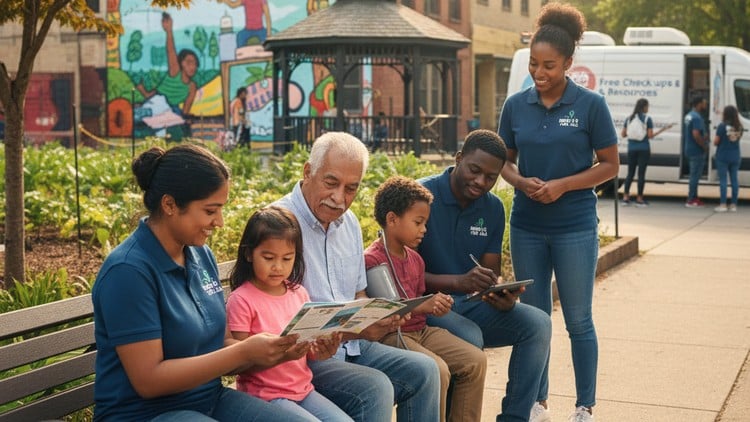
Community Health nursing, Public health nursing, Healthcare Assistant, Health, with Lectures, Notes & Quiz
⏱️ Length: 9.8 total hours
⭐ 3.50/5 rating
👥 423 students
🔄 November 2025 update
Add-On Information:
Note➛ Make sure your 𝐔𝐝𝐞𝐦𝐲 cart has only this course you're going to enroll it now, Remove all other courses from the 𝐔𝐝𝐞𝐦𝐲 cart before Enrolling!
-
Course Overview
- This diploma program is meticulously designed for individuals aspiring to become integral members of the healthcare delivery team, specifically focusing on community-level support. It provides a foundational yet comprehensive understanding of how to assist in promoting public well-being and facilitating access to essential health services for diverse populations.
- The curriculum emphasizes a holistic approach to health, moving beyond curative care to focus significantly on preventative measures, health education, and community engagement strategies. Students will explore the dynamic role of a Community Health Assistant in empowering individuals and families to take proactive steps towards better health outcomes.
- You will gain insight into the socio-cultural determinants of health and learn effective strategies to address health disparities within various community settings. The course aims to cultivate compassionate and competent professionals capable of acting as crucial links between healthcare providers and the communities they serve.
- With a practical orientation, this program prepares you for immediate entry into roles where you can make a tangible difference, whether in clinics, community centers, or outreach programs. It is an ideal starting point for a fulfilling career dedicated to enhancing population health and supporting vulnerable groups.
- The total course length of 9.8 hours, updated in November 2025, ensures relevant and up-to-date content delivered through accessible lectures, notes, and quizzes, catering to a broad range of learners.
-
Requirements / Prerequisites
- Basic Educational Background: A foundational level of education, typically a high school diploma or equivalent, is recommended to ensure students can comprehend the course material effectively.
- Strong Communication Skills: An inherent ability or willingness to develop clear, empathetic, and culturally sensitive communication skills is essential for interacting with diverse community members and healthcare professionals.
- Passion for Community Well-being: A genuine interest in contributing to public health, improving community living standards, and supporting individuals in their health journeys is paramount for success in this field.
- Empathy and Compassion: The role demands a high degree of understanding and care for individuals facing various health challenges and social circumstances, requiring a compassionate approach to support.
- Organizational Aptitude: While specific administrative duties are not elaborated from the “What You Will Learn” section, a general ability to manage information, follow protocols, and maintain order in professional tasks is beneficial.
- Basic Computer Literacy: Familiarity with basic computer operations and internet navigation will be helpful for accessing course materials, conducting research, and potentially utilizing basic digital health tools.
- Reliability and Responsibility: Community Health Assistants often work independently or as part of a team, requiring individuals who are dependable and accountable in their professional conduct.
- Cultural Sensitivity: An open mind and a commitment to respecting diverse cultural beliefs and practices are crucial for effective engagement with different community groups.
-
Skills Covered / Tools Used
- Community Engagement Techniques: Learn to build trust and rapport with community members, facilitating effective health promotion and education efforts within various cultural contexts.
- Health Education Delivery: Develop skills in creating and delivering accessible health information, conducting workshops, and engaging groups on topics such as nutrition, hygiene, chronic disease prevention, and healthy lifestyle choices.
- Patient Navigation and Advocacy: Acquire competencies in guiding individuals through the healthcare system, identifying community resources, and advocating for patient needs to ensure equitable access to services.
- Basic Health Screening Protocols: Understand fundamental procedures for conducting basic health screenings, such as blood pressure checks, temperature readings, and basic height/weight measurements, in a community setting (without specific medical diagnosis or treatment).
- Referral System Proficiency: Master the process of identifying appropriate healthcare and social services, making effective referrals, and following up to ensure clients receive necessary support.
- Ethical Practice and Confidentiality: Gain a deep understanding of professional ethics, patient rights, and the importance of maintaining confidentiality in all interactions and data handling within a healthcare support role.
- Crisis Intervention Basics: Learn foundational approaches to recognize individuals in distress and provide immediate, compassionate support, guiding them towards appropriate professional help.
- Communication Tools: Utilize various verbal and non-verbal communication techniques, active listening, and motivational interviewing strategies to empower individuals towards health behavior change.
- Basic Data Collection Tools: Become proficient in gathering essential demographic and health-related information from community members using simple surveys, forms, and digital input methods to support health initiatives.
- Resource Mapping & Database Utilization: Learn to identify, organize, and utilize local community resources, social services, and health programs to assist clients effectively.
- Health Literacy Promotion: Develop strategies to simplify complex health information, ensuring it is understandable and actionable for individuals with varying levels of literacy.
-
Benefits / Outcomes
- Immediate Career Entry: Upon completion, you will be prepared for entry-level positions as a Community Health Assistant, Healthcare Assistant, or similar roles in a variety of settings.
- Foundational Healthcare Knowledge: Gain a robust understanding of the principles of public health, preventative care, and the social determinants impacting community health.
- High Demand Profession: Enter a growing field with increasing recognition of the vital role Community Health Assistants play in bridging gaps in healthcare access and improving population health outcomes.
- Meaningful Community Impact: Contribute directly to improving the health and well-being of underserved populations, fostering healthier communities through education and support.
- Enhanced Interpersonal Skills: Develop exceptional communication, empathy, and cultural competency skills, invaluable for both professional and personal growth.
- Versatile Work Settings: Opportunities abound in public health departments, non-profit organizations, community clinics, hospitals, schools, and outreach programs.
- Stepping Stone for Further Education: This diploma can serve as an excellent foundation for pursuing advanced studies in nursing, public health, social work, or other health-related fields.
- Empowerment through Education: Learn how to empower individuals to take control of their health, advocate for their needs, and navigate complex health systems more effectively.
- Practical, Real-world Application: The course content is designed for practical application, ensuring you acquire skills directly relevant to the day-to-day responsibilities of a Community Health Assistant.
-
PROS of this Course
- Accessibility: Relatively short duration (9.8 hours) makes it accessible for individuals seeking quick entry into the healthcare support field.
- Direct Community Impact: Offers a clear path to a fulfilling career focused on directly improving community health and well-being.
- Foundational Learning: Provides essential knowledge and skills relevant to public health and preventative care, without requiring extensive prior medical background.
- Flexible Learning Format: Lectures, notes, and quizzes offer a comprehensive and self-paced learning experience.
- Growing Demand: Positions for community health workers and assistants are increasingly vital in modern healthcare systems.
-
CONS of this Course
- Limited Scope of Practice: As an entry-level diploma, the course provides foundational knowledge, and graduates will have a defined, non-clinical scope of practice, which may necessitate further education for advanced roles.
Learning Tracks: English,Teaching & Academics,Social Science
Found It Free? Share It Fast!