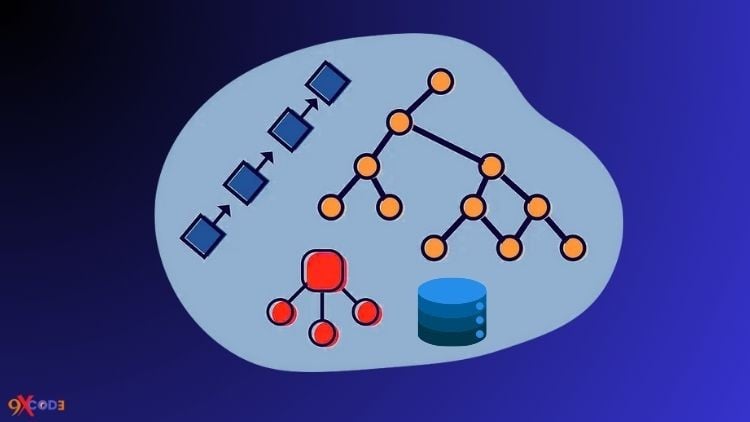
Arrays, Linked Lists, Stacks, Queues, Trees, Graphs, Sorting, Searching, Dynamic Programming, Recursion, Hashing, DSA
⭐ 4.50/5 rating
👥 7,856 students
🔄 April 2025 update
Add-On Information:
Note➛ Make sure your 𝐔𝐝𝐞𝐦𝐲 cart has only this course you're going to enroll it now, Remove all other courses from the 𝐔𝐝𝐞𝐦𝐲 cart before Enrolling!
-
Course Overview
- This highly-rated course, “Data Structures & Algorithms Interview Preparation Practice,” is meticulously crafted to transform aspiring and current software developers into confident, proficient problem-solvers ready to ace technical interviews. With an exceptional 4.50/5 rating from a substantial community of 7,856 students, it stands as a testament to its effectiveness and student satisfaction. Updated in April 2025, the content remains fresh, relevant, and aligned with current industry demands and interviewing trends. The curriculum is designed as a focused deep dive into the most frequently encountered DSA topics, not just as academic concepts, but as practical tools to dissect and solve complex coding challenges. It emphasizes a hands-on approach, moving beyond theoretical understanding to practical application, equipping you with the critical thinking frameworks necessary for top-tier tech roles. The course directly addresses the common pitfalls candidates face, providing strategies to optimize solutions and articulate thought processes clearly, making it an invaluable resource for anyone targeting a competitive software engineering position.
-
Requirements / Prerequisites
- A foundational understanding of at least one general-purpose programming language (e.g., Python, Java, C++, JavaScript) is essential. While the course focuses on concepts, implementations will require basic syntax comprehension and familiarity with language constructs.
- Comfort with fundamental programming concepts such as variables, data types, conditional statements, loops, and functions. This course builds upon these basics, focusing on advanced problem-solving patterns.
- Basic logical reasoning and problem-solving aptitude. The course will enhance these skills, but a willingness to engage with abstract problems and analytical thinking is crucial from the outset.
- No prior advanced knowledge of data structures or algorithms is strictly required, though a superficial acquaintance might provide a slight head start. The course starts with core concepts and builds complexity progressively.
- A strong desire to learn, consistent effort, and dedication to practice are paramount. Interview preparation is an iterative process, and this course provides the structure, but your commitment drives success.
-
Skills Covered / Tools Used
- Algorithmic Thinking and Problem Decomposition: Develop robust strategies for breaking down seemingly intractable problems into manageable sub-problems, identifying underlying patterns, and choosing optimal algorithmic approaches.
- Efficient Data Structure Selection & Implementation: Master the nuances of various data structures, understanding their internal mechanics, time and space complexities, and when to apply them for maximum efficiency in specific scenarios. This includes in-depth practice with dynamic arrays, singly and doubly linked lists, specialized stack and queue implementations, various tree structures (BSTs, AVL, Red-Black – conceptual understanding), and graph traversal algorithms.
- Optimization Techniques: Learn to analyze the performance of your solutions, identifying bottlenecks and applying advanced optimization techniques such as memoization and tabulation for Dynamic Programming problems, various hashing strategies for constant-time lookups, and understanding the trade-offs in different sorting and searching algorithms.
- Recursion and Backtracking Mastery: Gain profound understanding and practical expertise in designing recursive solutions, managing call stacks, identifying base cases, and tackling complex combinatorial problems using backtracking paradigms.
- Graph Theory Applications: Explore practical applications of graphs in real-world scenarios, including shortest path algorithms (Dijkstra, Bellman-Ford), minimum spanning trees (Prim’s, Kruskal’s), and network flow problems, all contextualized for interview settings.
- Complexity Analysis (Big O Notation): Solidify your ability to rigorously analyze the time and space complexity of algorithms, a critical skill for evaluating solution efficiency and communicating design choices in technical interviews.
- Programming Languages for Practice: While the concepts are language-agnostic, the course encourages implementation in popular languages like Python, Java, or C++, providing examples or allowing students to use their preferred language for practical exercises.
- Debugging and Test-Driven Development Principles: Enhance your debugging prowess by identifying logical errors in complex code and practice creating comprehensive test cases to validate the correctness of your algorithmic solutions.
-
Benefits / Outcomes
- Interview-Ready Confidence: Walk into any technical interview, including those at FAANG and other top tech companies, with a strong foundation and a strategic approach to problem-solving, significantly boosting your self-assurance.
- Mastery of Core DSA Concepts: Develop a profound and practical understanding of all critical Data Structures and Algorithms, enabling you to not just recall but truly comprehend and apply them effectively to novel problems.
- Enhanced Problem-Solving Acumen: Sharpen your analytical and critical thinking skills, transforming you into a more efficient and innovative problem-solver, a valuable asset far beyond interview preparation.
- Optimized Code Design: Learn to write clean, efficient, and optimized code that adheres to industry best practices, making your solutions robust and scalable.
- Articulate Technical Communication: Gain the ability to clearly articulate your thought process, design choices, and complexity analysis during interviews, demonstrating not just a correct solution but also excellent communication skills.
- Career Advancement: Position yourself for higher-paying, more challenging, and more fulfilling roles in the software development industry by mastering the technical hurdles that often gate access to elite positions.
- Lifelong Learning Foundation: Build a solid groundwork in computer science fundamentals that will serve as a launchpad for learning advanced topics and staying current with evolving technologies throughout your career.
-
PROS
- Highly Reputable and Student-Approved: Boasts an impressive 4.50/5 rating from over 7,800 students, indicating high quality and student satisfaction.
- Up-to-Date Content: The April 2025 update ensures the material is current with the latest interview trends and best practices.
- Comprehensive Coverage: Systematically covers essential DSA topics from foundational arrays to advanced dynamic programming and graph algorithms.
- Practical, Interview-Focused Approach: Designed specifically for interview preparation, emphasizing problem-solving strategies and optimal solutions.
- Builds Core CS Fundamentals: Strengthens fundamental computer science knowledge crucial for long-term career growth.
-
CONS
- Demands Consistent Effort: Success in this rigorous course requires significant personal dedication, consistent practice, and a willingness to tackle challenging problems.
Learning Tracks: English,Development,Software Engineering
Found It Free? Share It Fast!