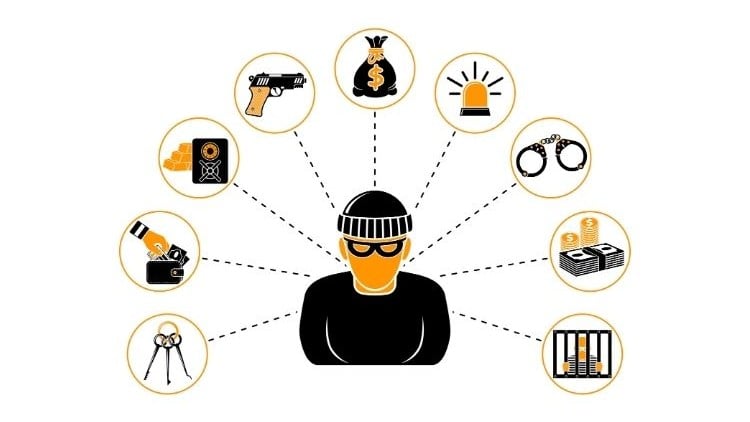
Explore Criminology, Forensic Science & Criminal Psychology to Understand Crime, Criminal Profiling & Justice.
⏱️ Length: 2.5 total hours
👥 43 students
Add-On Information:
Note➛ Make sure your 𝐔𝐝𝐞𝐦𝐲 cart has only this course you're going to enroll it now, Remove all other courses from the 𝐔𝐝𝐞𝐦𝐲 cart before Enrolling!
-
Course Overview
- Delve into the intricate tapestry of human deviance, exploring how individual and societal factors converge to shape criminal acts.
- Explore foundational criminological theories, examining their historical development and contemporary relevance in understanding why individuals commit offenses.
- Uncover the complex interplay between societal structures, community influences, and individual predispositions that contribute to criminal behavior patterns.
- Examine the ethical dilemmas and professional responsibilities inherent in the application of psychological principles within legal and investigative contexts.
- Grasp the historical evolution of psychological thought as it has been applied to various legal and criminal justice scenarios, from early theories to modern perspectives.
- Gain insights into the socio-economic and environmental determinants that often foster criminal environments and influence patterns of offending.
- Understand the evolving landscape of crime, including emerging threats like cybercrime and its unique psychological underpinnings and investigative challenges.
-
Requirements / Prerequisites
- No prior formal qualifications in psychology, criminology, or law are strictly required, making this course accessible for enthusiastic learners from diverse backgrounds.
- A keen interest in understanding human behavior, the dynamics of crime, and the operations of justice systems is highly recommended for optimal engagement.
- Basic computer literacy, including navigation of online learning platforms and reliable internet access, are essential for engaging with course materials and activities.
- Self-motivation, independent learning capabilities, and a willingness to explore potentially sensitive topics with an open and objective mind are beneficial attributes.
- The ability to critically analyze information, synthesize complex theoretical concepts, and reflect on real-world implications will significantly enhance the learning experience.
-
Skills Covered / Tools Used
- Critical Thinking: Develop advanced analytical skills to dissect complex criminal case studies, evaluate theoretical arguments, and form independent conclusions.
- Analytical Reasoning: Enhance your ability to interpret behavioral patterns, discern subtle evidential cues, and construct logical explanations for criminal phenomena.
- Ethical Decision-Making: Learn to navigate the intricate moral quandaries and professional responsibilities inherent in criminal investigations, victim support, and justice administration.
- Research Literacy: Understand how to effectively evaluate, interpret, and apply academic research and empirical data in the fields of criminology and psychology.
- Psychological Assessment Fundamentals: Grasp the basic principles and limitations behind assessing mental states, personality traits, and risk factors relevant to criminal behavior.
- Interdisciplinary Synthesis: Cultivate the capacity to integrate and connect knowledge seamlessly from diverse fields such as psychology, sociology, and legal studies.
- Effective Communication: Develop the ability to articulate complex theoretical concepts and practical insights clearly, both in written reports and verbal discussions.
- Problem-Solving: Apply theoretical knowledge and analytical skills to practical scenarios within the criminal justice system, proposing informed solutions.
- Empathy & Perspective-Taking: Foster a deeper understanding of the diverse experiences and motivations of victims, offenders, and professionals working within justice roles.
- Information Processing: Efficiently absorb, organize, and synthesize varied and often disparate data sets related to criminal incidents and behavioral patterns.
-
Benefits / Outcomes
- Acquire a foundational yet comprehensive understanding of the psychological dimensions that profoundly underpin criminal behavior and societal responses.
- Develop a nuanced and sophisticated perspective on the multifaceted nature of crime, its origins, and its extensive societal and individual impact.
- Enhance your professional resume and academic profile with a specialized certification recognized in the expanding and vital field of criminal psychology.
- Open significant pathways to further academic pursuits, including advanced degrees or specialized training in forensic psychology, criminology, and legal studies.
- Gain valuable insights and a robust knowledge base directly applicable to roles in law enforcement, probation services, social work, and victim advocacy organizations.
- Cultivate an informed understanding of various rehabilitation strategies, their psychological bases, and their effectiveness in reducing reoffending rates.
- Be equipped to critically evaluate and contextualize media representations of crime, justice processes, and criminal offenders, distinguishing fact from sensationalism.
- Foster a deeper appreciation for the complex challenges, ethical dilemmas, and operational intricacies faced by professionals within the criminal justice system.
- Develop a robust vocabulary, conceptual framework, and theoretical grounding pertinent to engaging in informed discourse and analysis within criminal psychology.
- Contribute more effectively to informed discussions and initiatives aimed at crime prevention, community safety, and evidence-based policy development.
- Understand the psychological impact of various policy decisions on both offenders and the broader society, influencing rehabilitation and public safety.
- Empower yourself with specialized knowledge to advocate for more evidence-based practices and humane reforms within the criminal justice sector.
-
PROS
- Accessible & Flexible: The fully online format and relatively short duration make this course an ideal choice for busy professionals, career changers, or those exploring a new field.
- Accredited Certification: Provides formal recognition of your specialized knowledge and commitment, significantly boosting your credibility and opening up new career prospects.
- Interdisciplinary Approach: Offers a holistic and enriched understanding by seamlessly integrating core concepts from psychology, criminology, and forensic science.
- Practical Relevance: Delivers insights and knowledge that are directly applicable to real-world scenarios across various sectors including law enforcement, social services, and legal fields.
- Foundation for Future Study: Serves as an excellent stepping stone, providing a solid academic and conceptual foundation for pursuing advanced degrees or more specialized training in related areas.
-
CONS
- Limited Depth for Specialization: Due to its introductory nature and concise duration, this course may not provide the comprehensive depth or practical application experience required for highly specialized roles without further extensive education and practical training.
Learning Tracks: English,Teaching & Academics,Social Science
Found It Free? Share It Fast!