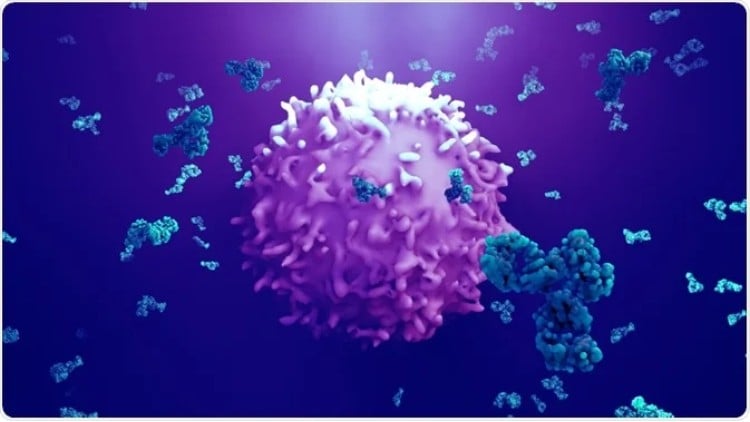
Explore the types, structure, and biological roles of antigens in the immune system
⏱️ Length: 3.6 total hours
⭐ 4.21/5 rating
👥 3,108 students
🔄 May 2025 update
Add-On Information:
Note➛ Make sure your 𝐔𝐝𝐞𝐦𝐲 cart has only this course you're going to enroll it now, Remove all other courses from the 𝐔𝐝𝐞𝐦𝐲 cart before Enrolling!
-
Course Overview
- Explore the intricate molecular architecture of antigens, detailing how subtle epitope variations dictate the specificity, vigor, and ultimate outcome of immune responses.
- Investigate the dynamic interplay between diverse antigen presentation pathways (MHC class I and II) and the subsequent activation of distinct immune cell subsets, including B lymphocytes, T helper cells, and cytotoxic T lymphocytes.
- Examine the biophysical principles governing high-affinity binding between antigens and their cognate receptors (B cell receptors, T cell receptors), and the resulting intracellular signaling cascades that drive immune cell function.
- Discuss the fascinating phenomenon of molecular mimicry, where microbial antigens share structural similarities with host self-antigens, contributing to the breakdown of immune tolerance and the initiation of autoimmune conditions.
- Uncover sophisticated mechanisms by which antigens can evade or modulate immune surveillance, impacting chronic infections, facilitating tumor progression, and influencing the success of organ transplantation.
- Analyze the critical application of antigen knowledge in the design and development of next-generation vaccines, targeted immunotherapies, and advanced diagnostic tools for various diseases.
- Explore how antigen-receptor engagement triggers elaborate downstream signaling cascades, leading to precise gene expression changes, cellular proliferation, and the differentiation of immune cells into specialized effector and long-lived memory populations.
-
Requirements / Prerequisites
- A foundational understanding of general biology, encompassing core concepts in cell structure, molecular biology, and genetics, is highly recommended to fully grasp the material.
- Familiarity with the basic components and functions of the immune system, such as different immune cell types and lymphoid organs, will significantly enhance comprehension.
- Prior exposure to fundamental biochemistry concepts, particularly regarding protein structure, folding, and intermolecular interactions, will prove advantageous in understanding molecular intricacies.
- While not strictly mandatory, a genuine curiosity and keen interest in immunology, disease mechanisms, and biomedical interventions will enrich the overall learning experience.
-
Skills Covered / Tools Used
- Develop skills in critically analyzing scientific literature on complex antigen-immune cell interactions and their clinical relevance in various disease states.
- Gain a conceptual understanding of key experimental methodologies for characterizing antigenicity and immune responses (e.g., ELISA, Western blotting, flow cytometry).
- Acquire proficiency in interpreting diverse datasets from vaccine trials, infectious disease pathogenesis studies, and autoimmune disease models.
- Formulate a robust theoretical framework for predicting the potential immunogenicity of novel molecules, essential for drug development and vaccine design.
- Improve capacity to differentiate between desirable (e.g., protective immunity) and undesirable (e.g., autoimmune pathologies) immune responses based on specific antigen types.
- Master conceptual underpinnings of advanced immunotherapeutic strategies that either target specific antigens (e.g., monoclonal antibody therapies) or leverage them for immune redirection (e.g., CAR T-cell therapy).
-
Benefits / Outcomes
- Gain a robust intellectual foundation that will facilitate further advanced studies in specialized fields such as immunology, vaccinology, autoimmunity, and cancer biology.
- Be exceptionally well-equipped to critically evaluate emerging research and advancements in immunology and infectious diseases, making informed judgments about new therapeutic approaches.
- Significantly enhance career prospects across various sectors, including biotechnology, pharmaceutical industries, academic research institutions, and diverse healthcare roles.
- Develop a nuanced perspective on the delicate balance between effective immune defense against pathogens and the inherent risk of autoimmune pathology, all mediated by antigen recognition.
- Acquire the specialized knowledge necessary to meaningfully contribute to discussions on vaccine efficacy, adverse drug reactions, and personalized medicine strategies considering individual antigenic profiles.
- Foster a profound appreciation for the immense complexity, precision, and elegance of the immune system’s antigen-driven recognition machinery and its paramount implications for human health.
-
PROS
- Highly relevant and foundational: Provides a core understanding of antigens, crucial for anyone delving deeper into immunology, vaccinology, or immune-related disease research and treatment.
- Current and updated content: The May 2025 update ensures the course material is cutting-edge, incorporating the latest scientific discoveries and understandings in antigen biology and immunology.
- Strong track record and learner satisfaction: A commendable 4.21/5 rating from over 3,000 students indicates a high level of quality, clarity, and satisfaction from previous learners.
- Compact and efficient learning: At 3.6 total hours, it offers a comprehensive yet time-efficient dive into a complex and critical topic, making it accessible for busy professionals or students with limited time.
- Broad applicability: The specialized knowledge gained is directly applicable to diverse professional fields including drug discovery, clinical diagnostics, vaccine development, and advanced academic research.
-
CONS
- Limited practical application: As an online, conceptual course delivered primarily through theoretical explanations, it focuses on knowledge transfer without offering hands-on laboratory experience, which some learners might desire for practical skill development.
Learning Tracks: English,Teaching & Academics,Online Education
Found It Free? Share It Fast!