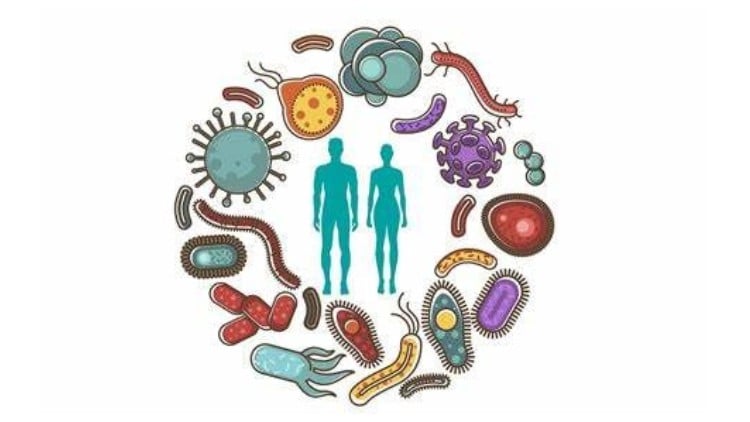
Microbial Frontiers: Exploring the World of Microbiomes
⏱️ Length: 2.5 total hours
⭐ 3.80/5 rating
👥 5,288 students
🔄 February 2024 update
Add-On Information:
Note➛ Make sure your 𝐔𝐝𝐞𝐦𝐲 cart has only this course you're going to enroll it now, Remove all other courses from the 𝐔𝐝𝐞𝐦𝐲 cart before Enrolling!
- Course Overview
- Embark on a captivating journey into the microscopic universe that shapes all life on Earth. This concise yet impactful online course demystifies the intricate world of microbiomes, revealing their omnipresent influence from our gut to the deepest oceans.
- Designed for curious minds, it offers a foundational exploration of these complex microbial communities and their profound ecological roles. Discover the hidden language of microbes and how their collective actions underpin various biological processes and planetary cycles.
- The course distills cutting-edge scientific understanding into an accessible format, ensuring participants grasp the fundamental concepts driving this revolutionary field. Prepare to see the world through a new, microbial lens, understanding the unseen forces that govern life itself.
- Requirements / Prerequisites
- No specific academic background in advanced biology or computer science is required. This course is crafted to be accessible to a diverse audience, from students exploring new scientific frontiers to professionals seeking to broaden their interdisciplinary knowledge.
- A fundamental curiosity about biological systems and how they interact with their environment.
- Reliable internet access and a device capable of streaming video content.
- Basic literacy in scientific concepts (e.g., understanding of cells, ecosystems) will be beneficial but not strictly necessary, as foundational elements are covered conceptually.
- An open mind and a willingness to engage with complex, interconnected biological ideas.
- Skills Covered / Tools Used
- Conceptual Understanding of ‘Omics’ Data: Develop a foundational grasp of how genomics, metagenomics, and transcriptomics contribute to microbiome research, without delving into hands-on data analysis.
- Interpreting Scientific Narratives: Learn to critically evaluate and synthesize information from scientific discourse surrounding microbial communities and their applications.
- Systems Thinking in Biology: Enhance your ability to understand biological phenomena not in isolation, but as interconnected components within larger ecological and physiological systems.
- Scientific Vocabulary Acquisition: Master key terminology and concepts essential for engaging in discussions about microbiology, ecology, and environmental science in the context of microbiomes.
- Cross-Disciplinary Insight: Cultivate a perspective that bridges traditional scientific disciplines, appreciating the confluence of biological, chemical, and environmental factors in microbial systems.
- Understanding Research Methodologies: Gain insight into the conceptual frameworks and experimental designs commonly employed in modern microbiome investigations, preparing you to critically evaluate research rather than perform it directly.
- Tools Used (Conceptually): Discussions will involve the principles behind advanced sequencing technologies (e.g., Illumina, PacBio) and the role of bioinformatics pipelines (e.g., QIIME 2, Mothur) in processing microbial community data, rather than direct software operation.
- Benefits / Outcomes
- Enhanced Scientific Literacy: Become proficient in discussing and understanding one of the most dynamic and impactful areas of contemporary science, empowering you to distinguish sound scientific claims from misinformation.
- Informed Health & Lifestyle Choices: Gain a deeper appreciation for how dietary and environmental factors shape your internal microbial landscape, potentially influencing personal wellness decisions.
- Expanded Career Horizon: Identify potential career pathways and research opportunities within emerging fields like personalized medicine, sustainable agriculture, and bioremediation, where microbiome expertise is increasingly valued.
- Foundation for Advanced Study: Establish a robust conceptual framework that serves as an excellent springboard for pursuing more specialized courses, graduate studies, or independent research in microbial ecology or related fields.
- Critical Perspective on Innovation: Develop the ability to critically assess new products, therapies, and technologies claiming to manipulate microbiomes, understanding their scientific basis and potential implications.
- Contribution to Global Dialogue: Equip yourself to participate meaningfully in conversations about climate change, public health, and biodiversity, recognizing the integral role of microbial ecosystems.
- PROS
- Time-Efficient Learning: At just 2.5 hours, it offers a high-impact overview without a significant time commitment, perfect for busy schedules.
- Up-to-Date Content: The February 2024 update ensures you’re learning the most current perspectives and discoveries in a rapidly evolving field.
- Accessible Entry Point: Provides a clear, jargon-friendly introduction to a complex subject, making it approachable for newcomers.
- Broad Applicability: The concepts explored have relevance across numerous sectors, from health and food to environmental science.
- High Student Engagement: Over 5,000 students have enrolled, indicating its popularity and broad appeal.
- CONS
- Limited Practical Depth: The short duration inherently restricts the depth of hands-on technical skills or detailed case studies that can be covered.
Learning Tracks: English,Teaching & Academics,Online Education
Found It Free? Share It Fast!