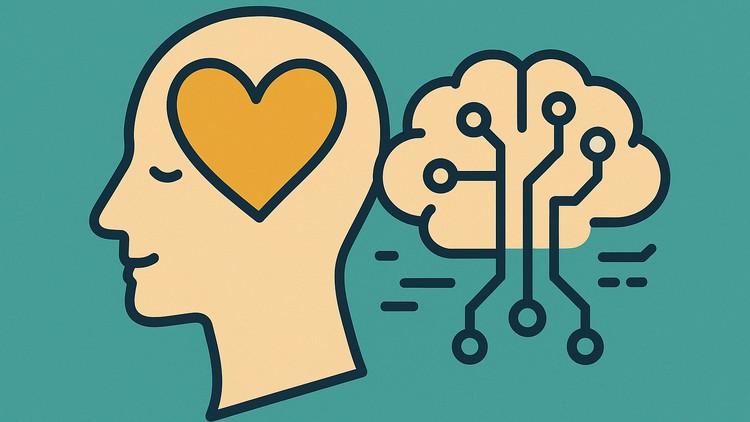
Design responsible, ethical AI systems with human values, inclusive design, usability, transparency, and trust
What you will learn
Understand the principles and frameworks behind Human-Centered AI (HCAI)
Identify the ethical, social, and design considerations for AI systems
Apply HCAI methods to design AI tools that prioritize human values
Evaluate and improve AI interfaces for usability, trust, and inclusivity
Add-On Information:
Note➛ Make sure your 𝐔𝐝𝐞𝐦𝐲 cart has only this course you're going to enroll it now, Remove all other courses from the 𝐔𝐝𝐞𝐦𝐲 cart before Enrolling!
- Forge the future of intelligent systems by embedding human values, ensuring AI serves humanity, not the other way around. This course cultivates a deep understanding of designing AI that enhances, rather than diminishes, human capabilities and well-being.
- Master the art of ethical AI development, moving beyond compliance to proactively build systems that reflect societal good and mitigate potential harms. Explore the nuanced interplay between technological advancement and human rights.
- Champion inclusivity in AI design, creating intelligent systems that are accessible and beneficial to a diverse global population, actively countering algorithmic bias and promoting equitable outcomes.
- Develop a critical lens for AI’s societal impact, enabling you to foresee and address the broader consequences of AI deployment across various sectors and communities.
- Become an architect of trustworthy AI, learning to build systems that users can understand, rely on, and ultimately feel safe interacting with.
- Craft intuitive and effective AI interactions, focusing on user experience to ensure AI tools are not only powerful but also easily navigable and supportive of human tasks.
- Explore cutting-edge HCAI methodologies and gain practical skills in applying them to real-world AI design challenges.
- Analyze the psychological and cognitive aspects of human-AI collaboration to design seamless and productive partnerships.
- Engage with the philosophical underpinnings of artificial intelligence and its relationship with human intelligence and consciousness.
- Translate abstract ethical principles into concrete design decisions, empowering you to build AI responsibly from concept to deployment.
- Cultivate a mindset of continuous evaluation and improvement for AI systems, ensuring they remain aligned with evolving human needs and societal expectations.
- Understand the regulatory landscape and emerging best practices for responsible AI governance.
- PROS:
- Gain a competitive edge in the rapidly evolving AI industry with highly sought-after skills.
- Contribute meaningfully to the development of AI that positively impacts society.
- CONS:
- Requires a strong commitment to interdisciplinary thinking, blending technical, ethical, and social sciences perspectives.
English
language